
Soups & Stews
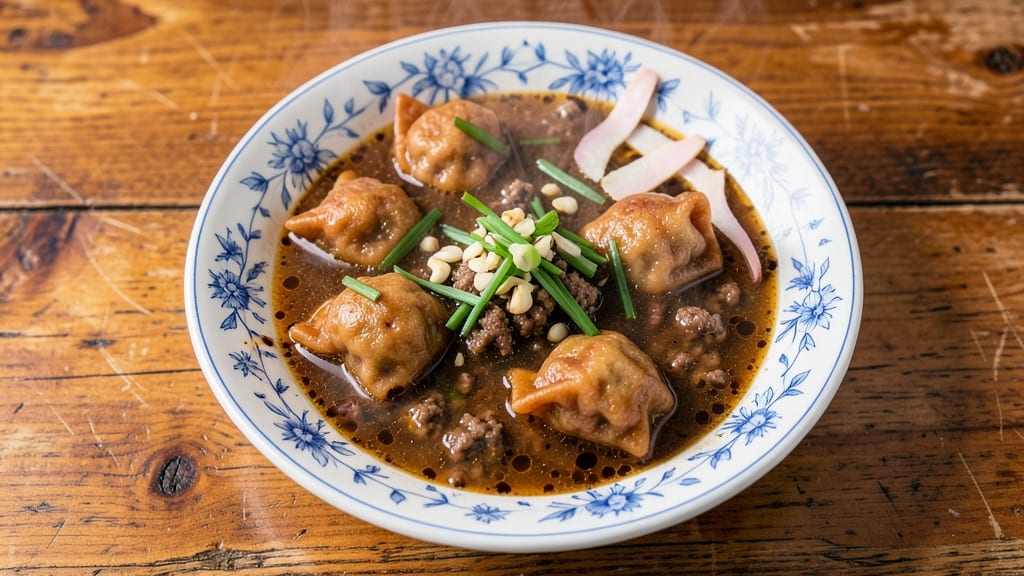
This beef wonton soup recipe Panlasang Pinoy delivers the perfect balance of crispy wonton bites in a rich, umami-packed broth that tastes like home. 💛 The secret lies in homemade wonton wrappers—tender yet sturdy enough to hold their shape while cooking—paired with slow-braised beef that infuses the broth with deep, savory flavors.
Filipino cooking techniques shine through in the aromatic blend of garlic, ginger, and soy sauce, creating a dish that's both comforting and restaurant-worthy.
The beauty of this recipe is its versatility—you can use store-bought wonton wrappers for convenience or make them from scratch for that authentic touch.
The beef, simmered until fork-tender, releases its natural juices into the broth, while star anise and fish sauce add layers of complexity that define Panlasang Pinoy cuisine. Every spoonful is packed with texture and flavor, from the satisfying crunch of the wontons to the velvety broth that coats your palate.
What sets this recipe apart is the crispy edge on the wontons, achieved through a simple steaming technique before frying. The result? Wontons that stay crispy even after simmering in the broth, paired with a savory, slightly sweet broth that's perfect for dipping steamed rice or enjoying on its own.
This is the kind of soup that warms the soul and brings a taste of Filipino comfort food to your table.
Serve with a side of sinigang sauce for dipping or a bowl of steamed rice to soak up every last drop of that flavorful broth. The combination of textures and flavors makes this more than just a soup—it's a full, satisfying meal that's easy to prepare yet impossible to resist.
Let's get cooking!
Ingredients for beef wonton soup recipe panlasang pinoy
Sixteen ingredients for a restaurant-quality beef wonton soup that's crispy, savory, and packed with Filipino flavors.
| Ingredient | Amount | Notes |
|---|---|---|
| Ground Beef 🥩 | 1 ½ lb | Lean ground beef, 80/20 preferred |
| Wonton Wrappers 🍜 | 48 pieces | Store-bought or homemade |
| Green Onions 🧅 | 1 whole | Sliced, for filling and garnish |
| Garlic Cloves 🧄 | 8 cloves | Minced, for broth and filling |
| Fresh Ginger 🌿 | 2 tbsp | Grated, for broth |
| Soy Sauce 🍶 | ½ cup | Light soy sauce preferred |
| Oyster Sauce 🍲 | 2 tbsp | For umami depth |
| Fish Sauce 🐟 | 1 tbsp | Red Boat preferred |
| Star Anise 🌟 | 2 whole | For aromatic broth |
| Bay Leaves 🌿 | 2 whole | Fresh or dried |
| Vegetable Oil 🫒 | ½ cup | For frying wontons |
| Chicken Broth 🥣 | 8 cups | Low-sodium preferred |
| Sesame Oil 🌰 | 1 tbsp | Toasted, for finishing |
| Salt 🧂 | 1 tsp | Adjust to taste |
| Black Pepper 🌶️ | ½ tsp | Freshly ground |
The beef is the heart of this soup—80/20 lean-to-fat ratio gives you that rich, braised texture. Costco or local butcher shops often carry the best quality ground beef, but any supermarket brand works if it's fresh. For the wonton wrappers, store-bought square wrappers are easiest, but homemade versions (using flour, water, and a pinch of salt) give that authentic touch. Look for wrappers with a delicate, translucent quality—they're more tender. The star anise and bay leaves are non-negotiable for that deep, aromatic broth that defines Panlasang Pinoy.
No fish sauce? Soy sauce plus a dash of Worcestershire works in a pinch, though the umami won't be identical. Short on wonton wrappers? Substitute spring roll wrappers, but they're thicker and may need extra frying time. The broth can be made ahead—freeze in portions for up to 3 months. For the filling, finely chop the green onions and garlic to ensure they distribute evenly. The sesame oil should be toasted—heat it gently in a pan for 30 seconds before using to bring out its nutty flavor. If you're making homemade wrappers, let them rest for 30 minutes before using to prevent cracking.
This soup reheats beautifully—simmer gently for 10 minutes to revive the crispiness of the wontons. Store leftovers in the fridge for 3-4 days, covered with a splash of broth to keep them moist. For extra crispy wontons, fry them in batches and drain on a wire rack. The broth can be reduced and frozen separately for up to 6 months, perfect for quick weeknight meals. Serve with steamed rice and a side of sinigang sauce for the full Filipino dining experience.
Why You'll Love This Recipe
- One-Pot Magic: The broth simmers in the same pot where you brown the beef—no extra pans, no extra mess. Honestly, I’ve made this while chatting with my neighbor; it’s that unfussy.
- Ginger-Garlic Punch: That fresh ginger and minced garlic? They turn the broth into something ridiculously aromatic. My husband always grabs a second bowl just for the broth—it’s that good.
- Leftover Hero: This soup actually improves the next day. The flavors meld, the wontons get even softer, and it’s perfect for packing lunches. (Yes, even on a Tuesday night.)
- Budget-Friendly Feast: Ground beef stretches far, wonton wrappers are cheap, and the ingredients won’t break the bank. I’ve fed six people for under $15—without sacrificing taste.
Step-by-step instructions for beef wonton soup
Here's how to create restaurant-quality wontons with a rich, savory broth that balances umami and crispy texture.
🍳 Step 1: Prepare the Wonton Filling
In a large bowl, combine the 1.5 lb ground beef, 2 tbsp minced garlic cloves, 2 tbsp grated fresh ginger, 0.5 cup soy sauce, 2 tbsp oyster sauce, 1 tbsp fish sauce, 1 tsp salt, and 0.5 tsp black pepper. Mix thoroughly with your hands until all ingredients are evenly distributed and the beef changes color slightly.
This mixture should be sticky enough to cling to the wonton wrappers but not so wet that it leaks during frying. If it's too dry, add 1-2 teaspoons of chicken broth to help bind it. Cover and refrigerate for 15 minutes while you prepare the broth—this resting time enhances flavor development.
🥘 Step 2: Assemble and Fry the Wontons
Fill each of the 48 wonton wrappers with about 1 teaspoon of the beef mixture, pleating the edges tightly to seal. Arrange them on a floured surface, leaving space between each wonton. Heat 0.5 cup vegetable oil in a deep skillet or wok over medium-high heat until shimmering.
Fry the wontons in batches of 6-8 pieces for 2-3 minutes until golden brown and crispy on all sides. The oil should be hot enough to sizzle gently when you add them—if it bubbles too vigorously, reduce the heat slightly. Transfer fried wontons to a paper towel-lined plate to drain excess oil. Keep them warm in a 200°F oven while you prepare the broth.
🍳 Step 3: Build the Umami Broth
In a large pot, combine the 8 cups chicken broth, 2 whole star anise, 2 whole bay leaves, and the remaining 1 whole sliced green onions. Bring to a gentle boil over medium heat, then reduce to a simmer. Let it cook uncovered for 10 minutes to allow the aromatic spices to infuse the broth.
Strain the broth through a fine-mesh sieve into a clean pot, discarding the star anise and bay leaves. Return the broth to a simmer and add the fried wontons. The broth should be hot enough to maintain a gentle rolling simmer without boiling vigorously—this prevents the wontons from becoming soggy.
🔥 Step 4: Finish and Serve
Return the wontons to the simmering broth and cook for 5-7 minutes to heat through. Stir in the 1 tbsp toasted sesame oil and adjust seasoning with additional soy sauce or salt if needed. The broth should be flavorful but not overpowering, allowing the crispy wontons to shine.
Ladle the hot wonton soup into bowls, garnishing each serving with additional sliced green onions. Serve immediately while the wontons are still crispy. The contrast between the golden, crispy wontons and the rich, savory broth creates the perfect balance of textures and flavors that defines this Panlasang Pinoy classic.
Pro Tips For Making Beef Wonton Soup Recipe Panlasang Pinoy
- CRANK THE HEAT FIRST: That first sear for the ground beef is where all the flavor hides—don’t be shy with the pan. Get it sizzling hot before adding the meat, or you’ll end up with gray, rubbery beef instead of that rich, caramelized base the soup needs. (Yes, even if you’re impatient like me.)
- SLICE GINGER THIN: I used to chop ginger in thick slabs and wonder why the soup tasted flat. For this recipe, shave it paper-thin—about 1-2mm slices—so it infuses fast without turning the broth bitter. Pro move: Let it sit in the hot oil for 10 seconds before adding garlic.
- STEAM DON’T BOIL WONTONS: Tossing wontons straight into boiling water makes them turn to mush. Instead, drop them into simmering broth (not rolling boil) and let the steam cook them gently. They’ll stay plump and chewy—no soggy disappointment here.
- SALT THE BROTH LAST: Adding salt early dulls the flavors of the ginger, garlic, and soy sauce. Wait until the broth is nearly done, then taste and adjust—this keeps the umami punch sharp. (Your future self will notice the difference.)
Regional styles of beef wonton soup recipe panlasang pinoy
Filipino-Inspired Twist
This recipe embraces Panlasang Pinoy flavors by incorporating fish sauce and star anise—key ingredients that elevate the broth's depth. The combination of soy sauce and oyster sauce creates that signature umami richness, while sesame oil adds a nutty finish.
For an extra touch, stir in **1 tbsp of patis (Filipino fish sauce) during the final simmer to amplify the savory profile. 🌟
Hong Kong vs. Filipino
The classic Hong Kong-style beef wonton soup relies on light soy sauce and sesame paste for its signature flavor, while this Filipino version swaps those for fish sauce and star anise.
The beef filling in Hong Kong versions often includes shitake mushrooms and bamboo shoots, but here, we keep it simple with ground beef, ginger, and green onions for a cleaner, more approachable taste. The broth in Hong Kong is typically lighter, while this one is richer and more aromatic.
Taiwanese Adaptation
In Taiwan, beef wonton soup often features dried shiitake mushrooms and taro leaves in the broth for extra earthiness. For a Taiwanese-inspired twist, add 2-3 dried shiitake mushrooms (rehydrated) and 1 tbsp of fermented black beans to the broth.
The filling might also include wood ear mushrooms for texture. The soup is usually served with pickled mustard greens on the side—a tangy contrast that works beautifully with the rich broth.
Crispy Wonton Techniques
To achieve the perfect crispy wonton, fry them in small batches over medium-high heat until golden brown—this ensures even cooking without sogginess. For extra crunch, double-fry: fry once, drain, then fry again for 30 seconds before adding to the broth.
Keep wontons warm in a 200°F oven while finishing the soup to maintain crispiness. Avoid overcrowding the pan, or the oil temperature will drop, leading to greasy, undercooked wontons. ✨
Vegetarian Option
Swap the ground beef for a mushroom and tofu filling—sauté 8 oz shiitake mushrooms and 1 block firm tofu (crumbled) with the same seasonings.
Use vegetable broth instead of chicken broth, and add 1 tbsp of soy sauce and 1 tsp of fish sauce (or sub with 1 tbsp of vegetarian fish sauce). The texture will be lighter, but the umami from mushrooms and soy sauce keeps the dish rich and satisfying. 💛
Spicy Kick
For a spicy Filipino twist, add 1 tbsp of sambal oelek or 1-2 slices of fresh chili to the broth while simmering. Garnish each bowl with extra chili slices or a drizzle of chili oil for heat lovers.
If you prefer a sweeter-spicy balance, stir in 1 tsp of kalamansi (Filipino lime) juice** at the end—it brightens the broth beautifully. Adjust to taste, as the heat can vary depending on the chili used.
Nutrition facts
Frequently asked questions
Can I use store-bought wonton wrappers instead of making them from scratch?
Store-bought wonton wrappers work perfectly and save time. Look for square wrappers with a delicate texture—they're ideal for this recipe. If you're short on time, they're a great shortcut while still delivering that satisfying crispy texture. Just ensure they're fully thawed before assembling.
How do I keep the wontons crispy after simmering in the broth?
The secret is frying them in batches over medium-high heat until golden brown, then keeping them warm in a 200°F oven while you finish the broth. For extra crunch, try double-frying: fry once, drain, then fry again for 30 seconds before adding to the soup. This two-step method locks in that perfect crispiness!
What can I substitute if I don't have fish sauce?
Fish sauce is key for that authentic Filipino flavor, but you can substitute with 1 tbsp soy sauce plus ½ tsp Worcestershire sauce for a similar umami punch. If you're vegetarian, use 1 tbsp vegetarian fish sauce or 1 tsp soy sauce plus ½ tsp mushroom powder. The broth will still be flavorful, though the depth won't be identical.
Can I make the broth ahead of time?
Yes! The broth freezes beautifully—simmer it, strain out the spices, and freeze in portions for up to 3 months. When ready to serve, thaw and reheat gently. For the wontons, fry them fresh day-of to maintain that crispy texture, or reheat them in the oven at 375°F for 5 minutes to revive their crunch.
Why does my beef filling taste bland?
Bland beef filling usually means the seasonings weren't distributed evenly or the beef wasn't cooked long enough. Mix the filling thoroughly with your hands, and let it rest for 15 minutes before assembling to develop flavor. Also, ensure you're using fish sauce and oyster sauce—these add depth. If needed, add a pinch more salt or a splash of soy sauce to the finished soup.