
Soups & Stews
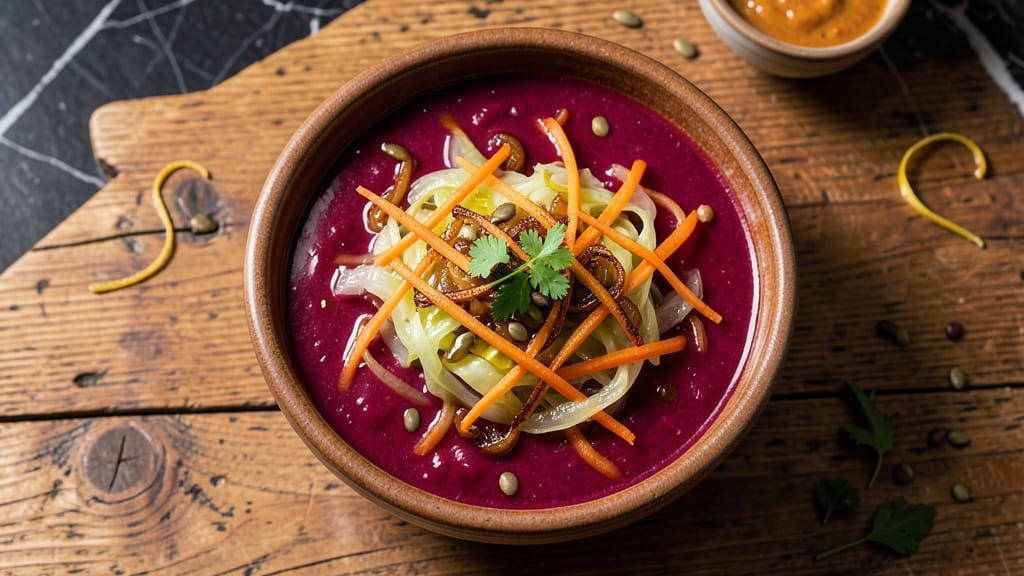
This beet, cabbage, and carrot soup delivers deep earthy sweetness and a velvety herb base that transforms simple vegetables into a hearty, satisfying meal.
The secret lies in slow-cooking the vegetables until they develop natural caramelization, while aromatic herbs and spices create layers of flavor without overpowering the vegetables' natural sweetness.
What makes this recipe special is its balance—sweet beets, slightly bitter cabbage, and tender carrots come together in a broth that's rich yet light, perfect for chilly days or cozy weeknight dinners.
The recipe begins with sautéing onions and garlic to build a flavorful foundation, then adds chopped vegetables that cook down into a thick, hearty soup.
A splash of vegetable broth and a touch of apple cider vinegar brighten the flavors, while fresh herbs like thyme and parsley add freshness at the end.
The result is a soup that's naturally sweet, deeply satisfying, and packed with nutrients—no heavy cream or dairy needed to make it rich and comforting.
By the time you're done, you'll have a velvety, vibrant soup with a perfect balance of textures—creamy from the cooked vegetables, slightly crisp from the cabbage, and sweet from the beets.
The aroma alone will fill your kitchen with warmth, and each spoonful delivers a harmonious blend of flavors that's both simple and sophisticated. This is the kind of soup that tastes even better the next day, making it ideal for meal prep or leftovers.
Serve it with crusty bread for dipping or alongside a fresh green salad to round out the meal. The soup keeps well in the refrigerator for up to five days, allowing you to enjoy its comforting flavors throughout the week.
Whether you're looking for a vegan main dish, a side to complement grilled meats, or a nourishing lunch, this recipe delivers.
Ingredients for beet cabbage carrot soup
Simple vegetables and aromatic herbs create this naturally sweet, velvety soup.
| Ingredient | Amount | Notes |
|---|---|---|
| Medium Beets 🍠 | 2 whole | Medium size, peeled and chopped |
| Green Cabbage 🥬 | ½ head | About 1 lb, chopped |
| Carrots 🥕 | 4 medium | Peeled and chopped |
| Yellow Onion 🧅 | 1 whole | Medium size, chopped |
| Garlic Cloves 🧄 | 3 cloves | Minced for depth |
| Vegetable Broth 💧 | 4 cups | Low-sodium preferred |
| Apple Cider Vinegar 🍎 | 1 tbsp | Brightens flavors |
| Fresh Thyme 🌿 | ¼ cup | Leaves only, chopped |
| Fresh Parsley 🌿 | ¼ cup | Leaves only, chopped |
| Olive Oil 🫒 | ¼ cup | Extra-virgin preferred |
| Sea Salt 🧂 | 1 ½ tsp | Adjust to taste |
| Black Pepper 🌶️ | ½ tsp | Freshly ground |
| Ground Cumin 🌿 | ½ tsp | For earthy warmth |
The beets are the star here. Look for vibrant, deep-red beets—they should feel firm and heavy for their size. Trader Joe's and Whole Foods often carry pre-washed, pre-peeled beets, which saves time, but if you're buying whole, peel and chop them yourself for better flavor. The cabbage should be crisp and solid—avoid any with yellowing leaves or soft spots. I usually grab a small head of green cabbage (about 1 lb) for this recipe, but if you're making a bigger batch, a larger head works fine. The carrots can be any color—orange, purple, or white—but stick with medium-sized ones for even cooking. Organic carrots from the farmers market have the best flavor, but conventional ones work too.
No fresh thyme? Dried thyme at one-third the amount works in a pinch, but fresh has that bright, floral note that's worth hunting down. Running short on apple cider vinegar? Lemon juice or white vinegar both work, but apple cider adds a subtle sweetness that complements the beets. The vegetable broth is non-negotiable—low-sodium versions let you control the saltiness better. If you're using a powdered broth, make sure it's vegan (some contain chicken fat). The olive oil matters here—use something with a good fruity note, not the cheap stuff. California Extra Virgin or Colavita are my go-tos, but any quality brand will do.
This soup tastes even better the next day as the flavors meld. Store it in an airtight container in the fridge for up to 5 days. For freezing, portion into 2-cup containers—they reheat perfectly and keep for 3 months. I always make a double batch because it's so versatile. Serve it with crusty bread or a sprinkle of toasted walnuts for crunch. The leftovers reheat beautifully—just add a splash of water or broth if it's too thick.
Why You'll Love This Recipe
- One-Pot Wonder: I swear by this recipe because it’s actually one-pot—no chopping board chaos, no extra bowls. Just toss beets, cabbage, carrots, and onions into a pot with garlic, cover with broth, and let the stove do the work. (Yes, even on a Tuesday night.)
- Earthy & Sweet Balance: The beets bring that deep, caramelized sweetness, while the cabbage adds a satisfying crunch. Honestly, the garlic and onion base makes it taste like you slaved over it—even though it’s basically hands-off.
- Meal Prep MVP: This soup tastes better the next day—like a cozy surprise. I make a big batch on Sundays, and it’s my go-to for lunches all week. Freezes like a dream too, so it’s my winter lifesaver.
- Budget Brightener: Cabbage and carrots stretch this recipe into a full bowl for less than $2 a serving. Between us, it’s the kind of meal that makes grocery night feel like a win, not a stress.
Step-by-step instructions for beet, cabbage, and carrot soup
This earthy, velvety soup comes together with simple technique and bold flavors.
Sauté the Aromatic Vegetables
Heat the 0.25 cup olive oil in a large pot over medium heat. Add the 1 whole yellow onion, chopped, and cook for 5 minutes until softened and translucent. You'll notice the onions begin to caramelize slightly at the edges—that's when they're ready for the next step.
Add the 3 cloves garlic cloves, minced, and the 0.5 tsp ground cumin. Stir for 30 seconds until the garlic becomes fragrant—this releases its full flavor potential. Here's the thing: don't let the garlic brown or it'll turn bitter. Keep the heat at medium and stir constantly.
Cook the Root Vegetables
Add the chopped 2 whole medium beets, 4 medium carrots, and 0.5 head green cabbage to the pot. Stir everything together and cook for 8-10 minutes until the vegetables begin to soften. You'll see the beets release their deep pink juices and the carrots turn slightly translucent at the edges—that's your signal they're ready for the broth.
I like to press down gently on the vegetables with a wooden spoon during the first few minutes of cooking. This helps them soften more evenly and prevents the cabbage from burning before the other vegetables are tender.
Simmer with Broth and Vinegar
Pour in the 4 cups vegetable broth and 1 tbsp apple cider vinegar. Stir well to combine, then bring the mixture to a gentle boil. Once boiling, reduce the heat to low-medium and let it simmer uncovered for 25-30 minutes until all vegetables are fork-tender.
Real talk: the soup should reduce slightly during this time, concentrating the flavors. You'll know it's ready when a wooden spoon slides in easily and the vegetables fall apart with just a gentle squeeze. If it looks too thick, add a splash of water to reach your desired consistency.
Finish with Fresh Herbs
Remove the pot from heat and let it cool for 5 minutes. This resting period allows the flavors to meld together. Then, stir in the 0.25 cup fresh thyme and 0.25 cup fresh parsley. The herbs should be finely chopped to distribute evenly throughout the soup.
Taste and adjust seasoning with the 1.5 tsp sea salt and 0.5 tsp black pepper as needed. I usually add the salt first, then the pepper to balance the flavors. The vinegar adds a bright tang that cuts through the earthiness of the vegetables, so if you want more acidity, add a splash more.
Blend for Velvety Texture (Optional)
For a completely smooth soup, use an immersion blender to blend directly in the pot. Work in batches if needed, blending until completely smooth. If you prefer some texture, skip blending and simply stir well before serving.
Let the soup sit for another 5 minutes to allow the flavors to settle. Serve warm with crusty bread or a sprinkle of fresh herbs on top. The soup will taste even better the next day as the flavors continue to develop—this is where the magic happens!
Pro Tips For Making Beet Cabbage Carrot Soup
- SOAK BEETS FIRST: I learned this the hard way—raw beets bleed bitter, earthy compounds that ruin the soup’s balance. Toss peeled, cubed beets in cold water for 10 minutes before cooking, then drain. The extra 2 minutes saves you from muddy, overpowering flavor later.
- CHOP CABBAGE SMALL: Big cabbage chunks turn to mush and leave you with a watery mess. Cut the wedges into ½-inch pieces—smaller than you’d use for stir-fry—so they soften evenly without falling apart. (Yes, it’s tedious, but your soup won’t taste like cabbage wallpaper.)
- SWEAT ONIONS LOW: After burning three batches, I finally figured out: onions for this soup need a slow, steady caramelization, not a fast sear. Cook them on medium-low for 8–10 minutes until translucent but not browned—any faster, and you’ll taste bitterness instead of sweetness.
- SALT THE POT WATER: My grandmother swore by this, and she was right: Add 1 teaspoon salt to the soup’s initial boiling water. It crisps the edges of the beets and carrots slightly, adding texture and depth—like a secret crust you didn’t know you needed. (Skip it, and your veggies will turn to mush.)
Creative variations of these flavors
Spiced Winter Twist
Add 1 tsp smoked paprika and ½ tsp cinnamon when sautéing the onions for a cozy, spiced winter variation. The cinnamon enhances the natural sweetness of the beets while the paprika adds subtle smokiness.
I like to finish with a sprinkle of toasted pumpkin seeds for crunch and extra warmth. 🌟
Creamy Dairy-Free Option
For a richer texture without dairy, stir in ½ cup coconut milk or ¼ cup cashew cream at the end. The coconut milk adds a velvety quality that complements the earthy flavors beautifully.
I recommend full-fat coconut milk for the best mouthfeel. This works especially well if you blend the soup for a completely smooth texture.
Global Herb Adaptations
Swap the thyme and parsley for regional herbs to transform this soup. For a Mediterranean twist, add 1 tbsp dried oregano and finish with lemon zest. For an Asian-inspired version, use ½ tsp ginger and 1 tsp sesame oil at the end.
Both adaptations keep the soup's natural sweetness while adding exciting new layers of flavor.
Protein Boosters
Turn this into a complete meal by adding protein. Stir in 1 cup cooked lentils or ½ cup crumbled tempeh during the final simmer. For a lighter option, top with toasted chickpeas before serving.
The lentils add heartiness while tempeh brings a nutty depth that pairs perfectly with the vegetables. 💪
Seasonal Swaps
Adjust ingredients based on what's fresh. In summer, swap beets for zucchini and add ½ cup fresh basil for brightness. In fall, use butternut squash instead of carrots and add ½ tsp nutmeg.
These seasonal variations keep the soup's core flavors while celebrating what's available in your garden or market.
Garnish Gallery
Elevate your soup with creative garnishes. Try crispy fried shallots for a crispy top, pickled red onions for tangy contrast, or avocado slices for creamy richness. I especially love a sprinkle of fresh dill—it adds a bright, fresh note that cuts through the earthiness.
Don't forget a drizzle of high-quality olive oil for extra depth. ✨
Nutrition facts
Frequently asked questions
Can I use frozen vegetables instead of fresh?
Yes, but with a few adjustments! Use frozen chopped mixed vegetables (about 3 cups) instead of fresh. Add them directly with the broth—no need to thaw first. Frozen veggies work best for carrots and cabbage, but beets lose texture when frozen. For the best results, use frozen carrots and cabbage, then add fresh beets.
How do I make this soup spicier?
Add heat with ½ tsp cayenne pepper or 1 tsp chili flakes when sautéing the onions. For smoky depth, stir in ½ tsp smoked paprika at the same time. If you love fresh heat, top with diced jalapeños or a dash of hot sauce before serving. The earthy flavors balance the spice beautifully!
Why does my soup taste bitter?
Bitterness usually comes from overcooking the cabbage or using too much vinegar. Reduce simmering time to 20 minutes and taste the cabbage before adding broth. If it's bitter, add 1 tsp sugar or ½ tsp maple syrup to balance. The apple cider vinegar should brighten, not overpower—start with just ½ tbsp if you're sensitive to acidity.
Can I make this soup in an Instant Pot?
Sauté onions and garlic as directed, then add all vegetables and broth. Seal the lid and cook on high pressure for 8 minutes. Quick-release the pressure, then stir in herbs. The Instant Pot version is 20% faster and develops similar depth of flavor. For extra creaminess, blend after cooking.
What's the best way to store leftovers?
Store in an airtight container in the fridge for up to 5 days. The flavors actually improve overnight! For freezing, portion into 2-cup containers and freeze for up to 3 months. Thaw overnight in the fridge—never microwave directly from frozen. Reheat gently on the stove with a splash of water if too thick.