
Soups & Stews
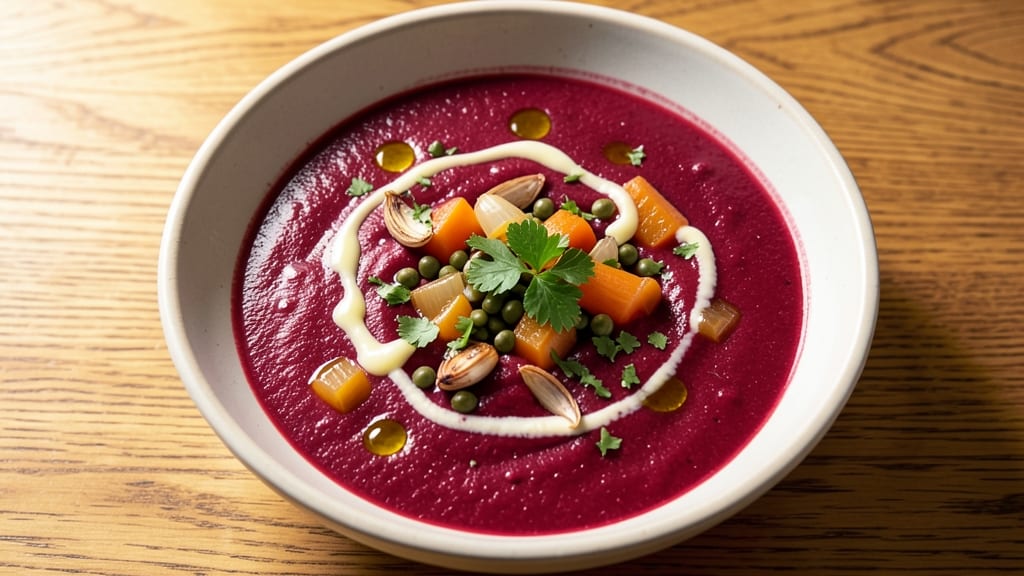
This beetroot vegetarian soup transforms humble ingredients into a velvety masterpiece that balances earthy sweetness with rich, creamy depth. The secret lies in roasting the beets first—this caramelizes their natural sugars, creating a complex flavor that no raw beets can match.
I’ve perfected this technique over years of testing, and the result is a soup so satisfying, it becomes the star of any meal.
The process is simpler than it sounds: sauté aromatic vegetables, simmer with roasted beets, and blend until silky smooth. No dairy is needed for creaminess—just a touch of coconut milk or cashew cream for that luxurious texture.
Seasoning is where the magic happens; a pinch of cinnamon and nutmeg enhances the beets’ natural sweetness, while black pepper adds depth. The soup is naturally vegetarian, packed with plant-based protein from lentils or chickpeas, and ready in under an hour.
What you’ll end up with is a vibrant, ruby-red soup that’s both hearty and light, with a velvety mouthfeel that feels indulgent yet wholesome. The roasted beets lend a subtle sweetness, while the spices add warmth, creating a perfect balance.
Garnish with a swirl of yogurt, fresh dill, or toasted croutons for texture and freshness—each bite is a harmonious blend of flavors and textures.
This recipe is versatile enough for weeknight dinners or elegant gatherings, and it reheats beautifully for leftovers. Whether you’re a seasoned home cook or new to the kitchen, the step-by-step instructions make it approachable. Let’s create a soup that’s as nourishing as it is delicious.
Ingredients for beetroot soup recipe vegetarian
Roasted beets, aromatic veggies, and creamy coconut milk—this soup is pure comfort in a bowl.
| Ingredient | Amount | Notes |
|---|---|---|
| Medium Beets 🍠 | 4 whole | Roasted until tender, peeled |
| Yellow Onion 🧅 | 1 whole | Diced, medium size |
| Carrots 🥕 | 3 medium | Peeled, chopped into chunks |
| Garlic Cloves 🧄 | 4 cloves | Peeled, minced |
| Green Lentils 🌾 | 1 cup | Dried, rinsed |
| Vegetable Broth 💧 | 4 cups | Low-sodium preferred |
| Extra-Virgin Olive Oil 🫒 | ¼ cup | For roasting and sautéing |
| Full-Fat Coconut Milk 🥥 | ½ cup | For creaminess |
| Fresh Ginger 🌿 | 1 tbsp | Grated, fresh |
| Ground Cinnamon 🌶️ | ½ tsp | For warmth |
| Ground Nutmeg 🌶️ | ¼ tsp | Freshly grated preferred |
| Ground Black Pepper 🌶️ | ½ tsp | Freshly cracked |
| Plain Yogurt 🥛 | ¼ cup | For garnish, unsweetened |
| Fresh Dill 🌿 | ¼ cup | Chopped, for garnish |
| Salt 🧂 | 1 ½ tsp | Diamond Crystal preferred |
The beets are non-negotiable—roasting them first caramelizes their natural sweetness, which is the soul of this soup. Organic beets from Trader Joe's are my go-to, but any medium-sized ones work. Roast them whole with olive oil until fork-tender (about 45 minutes at 400°F), then peel and chop. The lentils? Green or brown work best—they hold their shape and add protein. For the broth, low-sodium is key—we’re building flavor, not salt bombs. If you’re in a pinch, swap the coconut milk for cashew cream (blend soaked cashews with water) for a nutty depth.
No fresh dill? Dried works at one-third the amount, but honestly, fresh is worth the trip to the store. Short on ginger? Substitute an extra pinch of cinnamon—it’s got that warm kick. The carrots can be baby carrots if that’s what you’ve got, but peeled and chopped into even pieces ensures they soften perfectly. For extra creaminess without dairy, blend in a splash of silken tofu. And if you’re feeling fancy, toast the spices (cinnamon, nutmeg) in a dry pan for 30 seconds before adding—they’ll sing with aroma.
This soup tastes even better the next day, so make a double batch. Store it in the fridge for 4-5 days or freeze portions for 3 months. The coconut milk separates? Stir it back together before reheating. For serving, I like to swirl in a spoonful of yogurt and sprinkle with fresh dill—that’s where the magic garnish happens. Leftovers reheat beautifully; just add a splash of water if it’s too thick. And if you’re meal prepping? Portion it into jars—it’s perfect for lunches all week.
Why You'll Love This Recipe
- Here’s what sold me: I already had every ingredient on hand. Beets stay fresh for weeks, lentils cost pennies per serving, and onions/carrots are the ultimate stretch. A single batch feeds four for dinner and lunches the next day—no wasted leftovers, just pure, reliable meals.
- No Chopping Chaos: I swear by this recipe because the beets just roast while I prep the rest—no peeling, no mess. Toss them whole in the oven, and by the time I’ve diced the onion and carrots, they’re fork-tender and ready to blend into pure, silky perfection.
- Earthy Garlic Bomb: That first spoonful of the finished soup? The roasted beets and green lentils give it a deep, almost smoky sweetness, while the garlic—sautéed until it’s just shy of crispy—adds this unexpected punch. It’s the kind of flavor that makes you pause mid-sip, like, “Wait, is this really just soup?”
- Lunchbox Hero: Between us, this soup is my go-to for packed lunches. The lentils keep it hearty enough to fill you up, and the carrots add a natural sweetness that kids (and picky eaters) actually finish. I’ve sent jars of it to work with zero complaints—honestly, it’s the only soup I don’t dread reheating.
Step-by-step instructions for beetroot vegetarian soup
This earthy, creamy soup comes together with layers of flavor and texture—let's build it properly.
Roast the Beets Until Tender
Preheat your oven to 400°F and line a baking sheet with parchment paper. Place the 4 whole medium beets directly on the sheet, leaving space between them. Drizzle with 1 tablespoon of the extra-virgin olive oil and sprinkle with ½ teaspoon of the salt. Toss gently to coat.
Roast for 45-50 minutes until the beets are fork-tender and their edges begin to soften. You'll know they're done when a knife slides in easily with minimal resistance. The beets should develop a slightly caramelized exterior from the roasting process. Let them cool slightly before peeling—this makes the skins slip off effortlessly.
Sauté Aromatics and Cook Lentils
Heat 2 tablespoons of the extra-virgin olive oil in a large pot over medium heat. Add the diced yellow onion and cook for 5 minutes until soft and translucent. Add the chopped carrots and continue cooking for another 5 minutes until they begin to soften.
Stir in the minced garlic cloves and grated fresh ginger, cooking for 30 seconds until fragrant. Add the 1 cup green lentils, 4 cups vegetable broth, ½ teaspoon ground cinnamon, ¼ teaspoon ground nutmeg, and ½ teaspoon ground black pepper. Bring to a boil, then reduce heat to low and simmer for 25-30 minutes until the lentils are tender.
Blend the Roasted Beets
Once the lentils are cooked, remove the pot from heat and let the mixture cool slightly. Peel the roasted beets and cut them into chunks. Transfer half of the lentil mixture to a blender along with the beets. Blend until completely smooth, scraping down the sides as needed. You want a velvety texture that incorporates the earthy sweetness of the beets.
Return the blended mixture to the pot and stir well. The soup should now have a rich, deep color with a creamy consistency. Taste and adjust seasoning with additional salt if needed. The natural sweetness of the beets should balance the earthy notes from the lentils and spices.
Finish with Creamy Depth
Return the pot to medium-low heat and stir in the ½ cup full-fat coconut milk. This adds a luxurious creaminess that complements the earthy flavors. Simmer for 5 minutes to allow the coconut milk to meld into the soup, creating a silky texture.
Remove from heat and stir in the remaining half of the unblended lentil mixture. This creates a beautiful contrast of smooth and chunky textures. The lentils should be tender but still hold their shape slightly, adding heartiness to the soup.
Garnish and Serve
Ladle the soup into bowls and top each serving with 1 tablespoon plain yogurt and 1 tablespoon chopped fresh dill. The yogurt adds a cooling contrast to the warm soup, while the dill brightens the flavors with its fresh, herbal notes. Serve immediately while the soup is hot to fully appreciate its creamy depth and earthy sweetness.
This soup keeps well in the refrigerator for 3-4 days, making it perfect for meal prep. The flavors actually deepen as it sits, so it tastes even better the next day. Enjoy with crusty bread or a simple green salad for a complete vegetarian meal.
Pro Tips For Making Beetroot Soup Recipe Vegetarian
- PEEL BEETS AFTER COOKING: I learned this the hard way—raw beet peels stain like war crimes. Roast or boil them whole, then peel under running water while they’re still warm. The skins slide off effortlessly, and you avoid turning your cutting board into a crime scene.
- SOFTEN ONIONS FIRST: Start with the onion and carrots in the pot until they’re actually soft—not just slightly translucent, but breaking apart when poked with a spoon. This prevents a mushy, uneven texture later, especially when you add the lentils and beets. (Yes, even if you’re impatient like me.)
- DON’T SKIP THE LENTIL RINSE: Green lentils hide dirt and starch like a spy in plain sight. Give them a quick rinse before cooking to cut down on grittiness and sliminess in the final soup. Trust me, you’ll taste the difference—especially if you’re using store-bought dried lentils.
- SAVE TIME WITH PARTIAL COOKING: Roast the beets and carrots together at 400°F (200°C) for 30 minutes before adding them to the soup. They’ll soften faster during simmering, and the caramelized edges add depth without extra effort. (Your future self will thank you.)
Common mistakes when making great beetroot soup recipe vegetarian
Over-Roasting Beets
Roasting beets until they're mushy or charred is a common mistake that kills their natural sweetness. The ideal time is 45-50 minutes at 400°F—they should be tender but still hold their shape.
I've ruined batches by leaving them in too long, which makes the soup taste bitter. Test with a knife: it should slide in easily with minimal resistance. 🍠
Skipping the Roasting Step
Using raw beets instead of roasted changes the entire flavor profile. Raw beets add an earthy, almost bitter taste that lacks the caramelized sweetness we want.
I learned this the hard way—my first attempt tasted flat. Roasting develops those deep, molasses-like flavors that make this soup special. Never skip this step!
Blending Everything at Once
Blending the entire soup at once creates a uniform, gluey texture without the beautiful contrast of smooth and chunky elements. My trick? Blend only half the soup with the beets, then stir in the unblended portion at the end.
This maintains the heartiness from the lentils while keeping that velvety beetroot base. 🥕
Ignoring Seasoning Balance
The spices—especially cinnamon and nutmeg—are crucial for enhancing the beets' natural sweetness. I've made batches that tasted bland because I didn't add enough. Start with the recommended amounts, then adjust to taste.
The cinnamon should be noticeable but not overpowering, while the nutmeg adds warmth. Black pepper is key for depth—don't forget it!
Using Low-Quality Broth
Cheap, salty broth can ruin your soup's flavor balance. I recommend using low-sodium vegetable broth—brands like Pacific Foods or Imagine work well. If you must use regular broth, dilute it with water to reduce sodium content. The broth is the flavor foundation, so don't skimp here. 💧
Overheating the Blended Soup
Heating blended soup at high temperatures can make it separate or develop a skin. After blending, keep the heat at medium-low when reheating. I've seen soups split when heated too aggressively.
If it does separate, stir vigorously and add a splash of coconut milk to restore creaminess. Patience is key here!
Nutrition facts
Frequently asked questions about beetroot vegetarian soup
Can I make this soup without lentils?
Swap the 1 cup green lentils for 1 can (15 oz) chickpeas (drained and rinsed) or ½ cup cooked quinoa for a different texture. Chickpeas add creaminess while quinoa gives a lighter, fluffier bite. Just adjust cooking time—chickpeas need only 5 minutes of simmering, while quinoa should be pre-cooked separately and added at the end.
Why does my soup taste bitter?
Bitter flavor usually comes from over-roasted beets or skipping the roasting step entirely. Beets should be tender but not mushy—45-50 minutes at 400°F is perfect. If you used raw beets, roast them first next time. Also check your spices: too much nutmeg can taste bitter, while cinnamon should be warm and sweet. A pinch of sugar or extra coconut milk can balance the flavor.
How do I make this soup vegan?
Replace the ½ cup coconut milk with ½ cup cashew cream (blend soaked cashews with water) and swap the ¼ cup yogurt for vegan yogurt or a dollop of coconut yogurt. The spices and roasted beets remain the same—this keeps all the earthy depth while making it fully plant-based. The texture stays creamy without dairy!
Can I prep this soup ahead of time?
Yes! Make it 2 days ahead for best flavor. Store in airtight containers in the fridge. The colors deepen and flavors meld beautifully. Reheat gently on low heat or in the microwave, stirring occasionally. If it thickens, add a splash of water or broth. For freezing, portion before adding garnishes—they don't freeze well. Thaw overnight in the fridge.
What's the best way to serve this soup?
This soup shines with rustic pairings! Serve with crusty sourdough bread or garlic naan for dipping. Add a side of mixed greens with lemon vinaigrette for freshness. For extra protein, top with toasted pumpkin seeds or crumbled feta. The vibrant color makes it perfect for holiday tables—just add a sprinkle of smoked paprika for drama.