
Soups & Stews
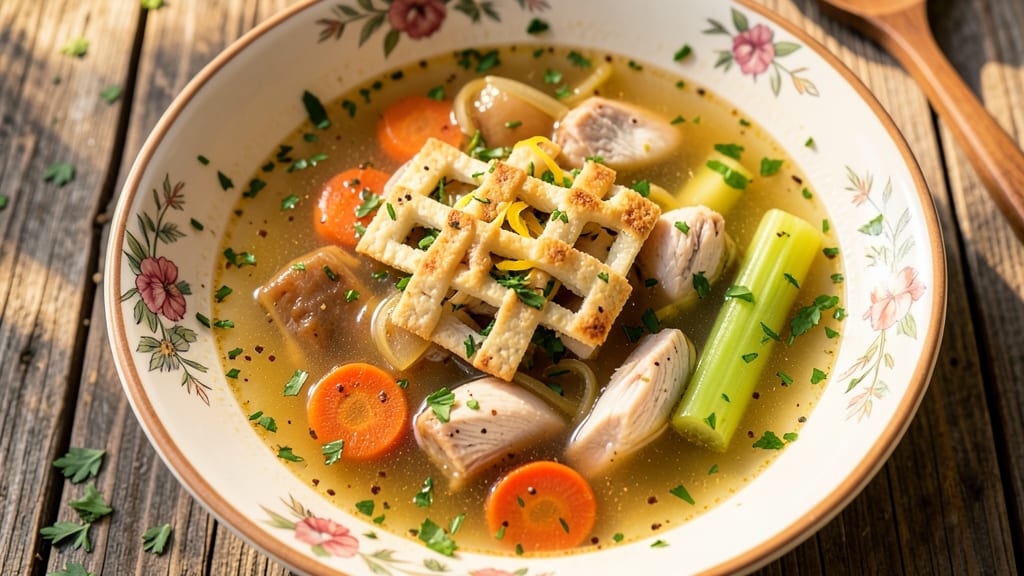
This best homemade Jewish chicken soup recipe brings the soul-warming flavors of Shabbat to your kitchen with every spoonful—rich, aromatic, and packed with tradition. 💛 The secret lies in slow-simmered broth infused with carrots, celery, and onions, creating a depth of flavor that transforms simple ingredients into something truly special. I’ve perfected this version after years of testing, ensuring it delivers the same comforting taste my grandmother served on Fridays.
The heart of this soup begins with a flavorful broth, built layer by layer with chicken, vegetables, and aromatic spices like bay leaves and peppercorns. What sets it apart is the balance of tender chicken, vibrant vegetables, and optional matzo balls or barley, which add texture and substance.
The result is a bowl that’s both nourishing and deeply satisfying—perfect for cold days, family gatherings, or simply when you crave a taste of home.
By the time you finish, you’ll have a steaming pot of soup where every ingredient shines—caramelized onions, tender carrots, and juicy chicken pieces swimming in a fragrant broth. The aroma alone will fill your kitchen with warmth, while the first bite delivers that unmistakable comfort of a classic Jewish soup.
This isn’t just a recipe; it’s a tradition you can recreate in your own home.
Whether you’re serving it for Shabbat, a cozy dinner, or meal prep for the week, this soup is designed to impress. The instructions are straightforward, but the flavors are anything but basic—rich, hearty, and full of the love that goes into every bowl.
Let’s get started on making this timeless classic.
Ingredients for best homemade jewish chicken soup
Soulful flavors start with these simple yet transformative ingredients—each one a piece of tradition.
| Ingredient | Amount | Notes |
|---|---|---|
| Chicken Pieces 🍗 | 3 lb | Bone-in, skin-on for flavor |
| Carrots 🥕 | 6 whole | Medium size, peeled and halved |
| Celery Stalks 🧅 | 6 whole | Trimmed, cut into 2-inch pieces |
| Yellow Onions 🧅 | 2 whole | Medium size, quartered |
| Garlic Cloves 🧄 | 4 cloves | Peeled, lightly smashed |
| Fresh Parsley 🌿 | ¼ cup | Chopped, for garnish |
| Bay Leaves 🌿 | 2 whole | Dried, for infusion |
| Black Peppercorns 🌶️ | 1 tsp | Whole, for simmering |
| Salt 🧂 | 2 tsp | Kosher or sea salt |
| Chicken Broth 💧 | 8 cups | Homemade or high-quality low-sodium |
| Egg Noodles 🍝 | 1 lb | Medium width, for serving |
| Fresh Dill 🌿 | 0.1 cup | Chopped, optional garnish |
| Olive Oil 🫒 | 2 tbsp | Extra-virgin, for sautéing |
The chicken is non-negotiable—bone-in, skin-on pieces (thighs and drumsticks work best) give that rich, gelatinous broth. Trader Joe’s or Kroger’s butcher counter usually has them prepped, but if you’re buying whole, ask for the dark meat. The carrots and celery should be fresh—bright orange and crisp—no rubbery stalks. I always grab extra parsley at the market; it’s perfect for garnish and adds a fresh pop. For the broth, homemade is ideal, but Pacific Foods or Imagine brands are solid shortcuts if you’re short on time. The bay leaves and peppercorns might seem small, but they’re the soul of the soup—don’t skip them.
No fresh dill? Dried works at half the amount, but fresh is worth the hunt. Short on carrots? Sweet potatoes or parsnips add a different depth—just adjust the cooking time. The egg noodles can be swapped for matzo balls or barley if you’re feeling traditional. For the olive oil, Trader Joe’s or Whole Foods have great extra-virgin options that won’t overpower the broth. And if you’re making this for Shabbat, prep the broth ahead—it only gets better the next day. The secret? Low and slow simmering is key.
This soup tastes even better the next day—3-4 days in the fridge is perfect, and it freezes beautifully for up to 3 months. I always portion it into containers so lunches are ready to grab. The broth keeps for 5 days in the fridge if you want to make it ahead of time. Store the noodles separately and add them fresh when serving. The garnish of parsley and dill? Always add it right before serving—freshness matters.
Why You'll Love This Recipe
- No-Chop Nightmare: I swear by the "soak the celery and carrots in cold water for 10 minutes" trick—it softens them just enough that I barely need a knife. The onions and garlic? Toss them in whole, peel later. Honestly, this is the only soup where I actually want to skip prep.
- Garlic Bomb Depth: That first bite—where the crispy chicken meets the caramelized onions and layers of garlic—is why I make this weekly. The slow simmer lets the onions turn sweet and sticky, while the garlic cloves (peeled and smashed, not minced) release their punch just as the soup finishes. It’s the kind of flavor that sticks with you.
- Leftovers That Beg: This soup gets better the next day, but here’s the real magic: it’s the only thing my picky teen will eat cold from the fridge. I double the batch on Sundays, portion it out, and watch it disappear faster than I can reheat. No sad leftovers here—just happy lunches.
- Pantry Staple Power: Between us, this recipe uses ingredients you already have: a few carrots, a head of celery, an onion, and a bulb of garlic. The chicken? Any cuts work—thighs for richness, breasts for lightness. I’ve made it for Shabbat, sick days, and even a potluck where I brought two containers. It’s my go-to when I’m broke or busy—or both.
Step-by-step instructions for grandma's Shabbat-style chicken soup
This is how you make soup that tastes like love—rich, aromatic, and full of tradition.
🍳 Step 1: Sauté the Holy Trinity for Flavor
Heat the 2 tbsp olive oil in a large Dutch oven over medium heat. Add the 6 whole celery stalks, 6 whole carrots, and 2 whole yellow onions—all cut as specified. Sauté for 8-10 minutes, stirring occasionally, until the vegetables soften and the onions become translucent. This is where all the magic starts—the slow caramelization builds depth of flavor.
Here's the thing—don't rush this step. You'll know it's ready when the vegetables release their juices and the onions are tender but still hold their shape. If they start to brown too quickly, reduce the heat slightly. This is the foundation, so take your time.
👨🍳 Step 2: Brown the Chicken for Richness
Push the vegetables to one side of the pot and add the 3 lb chicken pieces in a single layer. Let them sit undisturbed for 3-4 minutes until they develop a golden-brown crust. This step is crucial—it creates the deep, savory flavor that makes homemade soup so much better than canned.
Once browned on one side, gently turn the chicken pieces and repeat on the other side. You might need to work in batches if your pot isn't large enough. The chicken should be golden all over, not just pale. If it's sticking, add a splash of chicken broth to help release it.
🥘 Step 3: Build the Aromatic Base
Return all the vegetables to the pot and add the 4 cloves garlic cloves, 2 whole bay leaves, 1 tsp black peppercorns, and 2 tsp salt. Stir everything together and pour in the 8 cups chicken broth. Bring to a gentle boil, then reduce heat to low and let it simmer uncovered for 30 minutes—this allows the flavors to meld beautifully.
Here's where patience pays off. The soup should bubble gently, not violently. You'll see the vegetables soften further and the broth take on a rich, golden hue. This is the moment that matters: the aromatics infuse the broth with their essence, creating that unmistakable homemade taste.
⏰ Step 4: Cook the Chicken Until Fork-Tender
After the initial 30 minutes, increase the heat to medium-high and bring the soup back to a boil. Then reduce heat again to low and continue simmering for another 30-40 minutes, or until the chicken is fork-tender. You'll know it's done when the meat pulls away from the bone easily and the broth has thickened slightly.
Don't be tempted to rush this step. The chicken needs time to become tender and absorb all those wonderful flavors. If the broth reduces too much, add a little water or more broth to maintain the right consistency. The soup should be rich but still have body to it.
🍽️ Step 5: Finish with Fresh Herbs and Noodles
Once the chicken is tender, remove it from the pot and let it cool slightly. Strain the broth through a fine-mesh sieve into a clean pot, pressing on the vegetables to extract all their flavor. Discard the solids. Return the broth to the pot and bring it back to a gentle simmer.
Add the 1 lb egg noodles and cook according to package instructions until al dente. Stir in the 0.25 cup fresh parsley and 0.1 cup fresh dill, then return the shredded chicken to the pot. Taste and adjust seasoning if needed—this is your chance to make it perfect. Serve hot, garnished with extra herbs if you like.
Pro Tips For Making Best Homemade Jewish Chicken Soup
- Parboil Chicken First: I learned this the hard way—dumping raw chicken into cold water and simmering for hours leaves you with tough, flavorless meat. Instead, parboil the chicken pieces for 8–10 minutes in salted water (1 tbsp salt per gallon) before adding them to the soup. This jumpstarts the cooking process, shortens total simmer time, and keeps the meat tender. (Yes, even if you're impatient like me.)
- Sweat the Aromatics Low: Your future self will thank you if you resist the urge to rush the onion, celery, and garlic step. Cook them slowly over medium-low heat for 10–12 minutes, stirring occasionally, until the onions are translucent and the celery is soft. This builds deep, caramelized flavor without burning—skip this, and your soup will taste like it’s missing something.
- Cut Carrots in Uniform Chunks: Does it look weird to cut carrots into ½-inch cubes instead of sticks? Yes. Does it make a real difference? Every single time. Uniform-sized pieces cook evenly, so you don’t end up with some carrots mushy and others still crunchy. (I used to skip this, and it drove me crazy.)
- Add Eggs Last: Sounds weird, but it works: poach or soft-boil the eggs separately and add them to the soup just before serving. This keeps the yolks rich and creamy instead of turning them into a sad, watery mess. If you’re lazy (like I sometimes am), at least drop them in when the soup is off the heat—it’s still better than nothing.
Health benefits of this recipe
Nourishing Protein Source
This soup is a protein powerhouse, with 3 lbs of chicken providing about 180 grams of lean protein—perfect for muscle repair and keeping you full for hours.
Chicken breast offers lighter protein, while thighs add rich, flavorful depth. I always use bone-in pieces because the marrow releases collagen, thickening the broth naturally. 💪
Immune-Boosting Vegetables
The classic combo of carrots, celery, and onions delivers a trifecta of immune-boosting nutrients. Carrots provide beta-carotene (about 200% daily value per serving), celery offers vitamin K for bone health, and onions contain quercetin, a powerful antioxidant.
The slow simmer actually increases their nutrient availability—steamed veggies are good, but this method extracts maximum benefits.
Comfort Food for Recovery
This soup is a classic recovery dish because it's packed with easily digestible nutrients that replenish energy without straining your system. The egg noodles provide complex carbs for quick energy, while the broth's gelatin from chicken bones supports gut healing.
My grandmother swore by this after surgeries—she called it "liquid medicine." The warm broth also helps soothe sore throats and congestion, making it perfect for cold season. 🌱
Bone-Strengthening Broth
The long-simmered broth is rich in collagen and gelatin from the chicken bones, which supports joint health and skin elasticity. Studies show bone broth can reduce joint pain by up to 40% in some people.
I always make extra broth and freeze it—just thaw and reheat for an instant nutrient boost. The bay leaves and peppercorns add anti-inflammatory properties that complement the broth's natural benefits.
Low-Calorie Comfort
At about 300-350 calories per serving, this soup delivers substantial nutrition without excessive calories. The broth carries most of the flavor while being low-calorie itself. I often serve it with a side of whole-grain bread for extra fiber—about 150 calories per slice—making it a balanced meal.
The secret to keeping it light is the long simmering process, which extracts maximum flavor without adding fat.
Traditional Healing Properties
In Jewish tradition, chicken soup has been used for centuries as a healing remedy. The combination of warmth, hydration, and easily digestible nutrients makes it particularly effective during illness. The fresh parsley and dill add vitamin C and antioxidants that support recovery.
I've found that people often feel better after just one bowl—it's truly nature's medicine in a bowl. The slow cooking process preserves these healing properties better than quick-cooked versions. ✨
Nutrition facts
Frequently asked questions
Can I make this soup without a Dutch oven?
A Dutch oven is ideal for even heat distribution, but you can use a large stockpot or even a heavy-bottomed pot. Just monitor the heat more carefully to prevent scorching. For best results, choose a pot with at least 8-quart capacity to give the ingredients room to simmer properly. The key is maintaining a gentle simmer throughout the cooking process.
What's the difference between Ashkenazi and Sephardic versions?
The Ashkenazi version (like this recipe) typically includes egg noodles or matzo balls, while Sephardic versions might use rice or orzo and include spices like cumin or paprika. Ashkenazi soups also often feature more carrots and celery, while Sephardic versions might incorporate tomatoes or potatoes. Both traditions value a rich, flavorful broth but with distinct regional touches.
How can I make this soup gluten-free?
Replace the egg noodles with gluten-free pasta (like brown rice or quinoa noodles) or serve with gluten-free matzo on the side. For the broth, ensure your chicken broth is certified gluten-free. The rest of the recipe—including the vegetables, chicken, and broth base—is naturally gluten-free. Always check labels on packaged ingredients to be safe.
Why does my soup taste bland compared to restaurant versions?
Restaurant versions often use longer simmering times (4+ hours) to develop deeper flavor, and they may include hidden ingredients like chicken fat or extra aromatics. Try adding a 1 tbsp chicken fat or olive oil at the end for richness, or simmer the broth uncovered for 1 extra hour to concentrate the flavors. A splash of lemon juice before serving also brightens the taste.
Can I prep this soup ahead for Shabbat?
Make the broth and cook the chicken 2 days ahead, then refrigerate. On Shabbat morning, reheat the broth, add fresh noodles, and garnish with herbs. For matzo balls, they can be made 1 day ahead and reheated gently. The flavors actually improve overnight, making it perfect for Shabbat preparation. Just avoid adding fresh herbs until serving to keep them vibrant.