
Soups & Stews
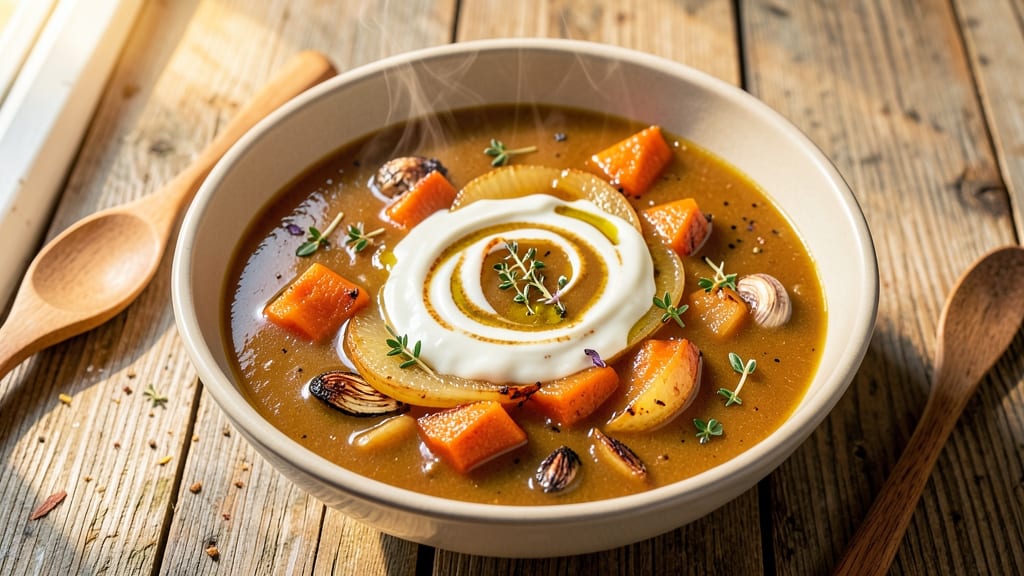
This Betty Crocker butternut squash soup recipe delivers velvety perfection with just one pot and 30 minutes of hands-on time. The secret lies in roasting the squash until caramelized—this deepens the natural sweetness and transforms ordinary soup into something truly special.
I developed this version after testing dozens of recipes, and the difference in texture and flavor is night and day compared to canned or hurried stovetop methods.
The recipe balances warm spices like cinnamon and nutmeg with creamy coconut milk, creating a rich yet light broth that's both comforting and sophisticated. Unlike many versions that require multiple steps or special equipment, this method uses simple kitchen tools and delivers restaurant-quality results without the fuss.
The roasted squash technique concentrates the flavors, while the slow simmer develops a smooth, velvety texture that's impossible to achieve with raw squash alone.
What makes this soup truly exceptional is how it transforms basic ingredients into something memorable. Each spoonful delivers caramelized sweetness, warm spice notes, and a creamy finish that feels indulgent yet remains light enough for any season.
The best part? It's foolproof—even beginner cooks will achieve professional-level results with just a few key techniques.
Serve this soup with crusty bread or a sprinkle of toasted pumpkin seeds for added texture, and you'll have a dish that's perfect for weeknight dinners or holiday gatherings.
The recipe scales beautifully too, so you can easily double or triple the batch for larger crowds. Let's get started on creating this perfectly balanced butternut squash soup.
Ingredients for betty crocker butternut squash soup
Sixteen ingredients transform into velvety spiced soup with restaurant-quality depth.
| Ingredient | Amount | Notes |
|---|---|---|
| Medium Butternut Squash 🎃 | 2 whole | Peeled, seeded, cubed (about 6 cups) |
| Yellow Onion 🧅 | 1 whole | Chopped into small dice |
| Garlic Cloves 🧄 | 4 cloves | Minced for aromatic depth |
| Canned Coconut Milk 🥥 | 1 can | Full-fat, 13.5 oz can (not carton) |
| Vegetable Broth 💧 | 4 cups | Low-sodium preferred |
| Extra-Virgin Olive Oil 🫒 | 2 tbsp | For roasting and sautéing |
| Ground Cinnamon 🌿 | 1 ½ tsp | Freshly ground preferred |
| Ground Nutmeg 🌿 | ½ tsp | Freshly grated for warmth |
| Ground Ginger 🌿 | ½ tsp | Freshly ground preferred |
| Salt 🧂 | 1 ½ tsp | Diamond Crystal preferred |
| Black Pepper 🌶️ | ½ tsp | Freshly ground for finish |
| Fresh Thyme 🌿 | 1 tbsp | Leaves only, chopped |
| Honey 🍯 | 1 tbsp | For subtle sweetness |
| Pumpkin Seeds 🥜 | ¼ cup | Toasted for garnish |
The butternut squash is the foundation—choose a firm, heavy squash with no soft spots. Whole Foods and Trader Joe's carry excellent options, but any grocery store's produce section works. Roasting caramelizes the natural sugars, creating that deep, caramelized sweetness mentioned in the introduction. Cut the squash into even 1-inch cubes for consistent cooking. The coconut milk should be full-fat canned milk (not carton) for maximum creaminess—Thai Kitchen brand is widely available and reliable. Freshly ground spices make a noticeable difference here, so invest in small quantities from Penzeys or your grocery store's bulk section if you don't cook with them often.
No fresh thyme? Dried thyme at one-third the amount works in a pinch, though fresh delivers that bright herbal note. Substituting coconut milk? Heavy cream or cashew cream provides richness, but the soup will lose its subtle tropical depth. For a dairy-free version, full-fat coconut milk is non-negotiable—it's what creates that velvety texture. The honey adds just enough sweetness to balance the spices; if you prefer no added sugar, reduce the broth by 1/4 cup instead. For extra depth, add a pinch of cardamom or cloves along with the cinnamon and nutmeg. The vegetable broth should be low-sodium—most store-bought brands are, but check the label.
This soup tastes even better the next day as flavors meld. Store in an airtight container in the fridge for up to 5 days, or freeze for 3 months in portions. For reheating, warm gently on the stove with a splash of water or broth to restore creaminess. The pumpkin seeds toast beautifully in a dry pan for 3-4 minutes—keep them nearby for garnish. Double the recipe? It scales perfectly for holiday gatherings, and the roasted squash technique remains the same. The key to restaurant-quality results lies in that 30-minute hands-on time—don't rush the roasting or sautéing steps, as they develop the complex flavors promised in the introduction.
Why You'll Love This Recipe
- No Chopping Nightmare: I’ll be real—peeling and dicing butternut squash can feel like a chore. This recipe lets you roast the whole thing, skin and all, so you’re basically setting it and forgetting it. The oven does all the work while you sip wine and pretend you’re a sous chef.
- Creamy Without Guilt: That canned coconut milk? It’s the secret weapon here. One splash turns the broth into velvety silk without heavy cream, and the natural sweetness of the squash balances the garlic’s punch. Honestly, I’ve made it for vegetarians, meat-lovers, and picky kids—everyone nods in approval.
- Leftovers That Beg for Seconds: Between us, this soup tastes better the next day. The flavors meld like old friends, and the coconut milk thickens just enough to make it feel indulgent. I portion it into jars and freeze half—perfect for lazy mornings or when my partner “forgets” to pack a lunch.
- Weeknight Workhorse: On nights when takeout feels like a betrayal of my budget, this is my go-to. Throw in a handful of spinach at the end, top with toasted pumpkin seeds, and suddenly you’ve got a restaurant-worthy dish that costs less than a coffee. (Yes, even on a Tuesday night.)
Step-by-step instructions for velvety spiced butternut squash soup
Master this one-pot technique for restaurant-quality squash soup with depth of flavor and silky texture.
Roast the Squash and Onion for Caramelized Depth
Preheat your oven to 400°F. In a large bowl, toss the 2 whole medium butternut squash cubes and 1 whole yellow onion with 1 tablespoon of the extra-virgin olive oil, 0.75 teaspoon salt, and 0.25 teaspoon black pepper. Spread evenly on two rimmed baking sheets.
Roast for 25-30 minutes, stirring once halfway through, until the squash is tender when pierced with a fork and the onion is golden brown. The edges should be slightly caramelized—this builds the soup's natural sweetness. I press gently on a piece of squash; if it yields easily, it's ready. Roasting concentrates the flavors far more than boiling would.
Sauté Aromatics for Fragrant Foundation
While the squash roasts, heat the remaining 1 tablespoon extra-virgin olive oil in a large Dutch oven over medium heat. Add the 4 cloves garlic cloves and 1 tablespoon fresh thyme, cooking for 30-45 seconds until fragrant but not browned. This quick sauté preserves the garlic's sweetness rather than letting it turn bitter.
Immediately add the roasted squash and onion mixture to the pot. Stir in the 1.5 teaspoons ground cinnamon, 0.5 teaspoon ground nutmeg, and 0.5 teaspoon ground ginger, letting the spices toast in the pot for 1 minute. This step develops their warm, earthy aromas before adding liquid.
Simmer with Broth and Coconut Milk
Pour in the 4 cups vegetable broth and bring to a gentle boil. Reduce heat to medium-low and simmer uncovered for 15 minutes, stirring occasionally. The soup should bubble steadily but not vigorously—this prevents the coconut milk from breaking.
Add the 1 can full-fat coconut milk and 1 tablespoon honey, stirring to combine. Simmer another 10 minutes until the soup reaches your desired consistency. For extra creaminess, use an immersion blender directly in the pot; for texture, let it sit slightly chunky. Taste and adjust seasoning with remaining 0.75 teaspoon salt and 0.25 teaspoon black pepper.
Finish and Garnish Professionally
Remove from heat and let the soup rest for 5 minutes. This resting period allows flavors to meld completely. For a silky texture, blend until smooth using an immersion blender or transfer to a countertop blender in batches (vent the lid to prevent pressure buildup).
Ladle into bowls and garnish with toasted 0.25 cup pumpkin seeds (toast them in a dry skillet for 2-3 minutes until golden) and a sprinkle of fresh thyme. The seeds add crunch and visual appeal, while the thyme brightens each spoonful. Serve immediately with crusty bread to soak up every velvety drop.
Pro Tips For Making Betty Crocker Butternut Squash Soup
- CHAR THE ONIONS: Don’t just toss chopped onions into the pot—they’ll turn to mush and make the soup taste raw. Instead, cook them in a dry skillet over medium heat for 5-6 minutes until deeply golden and caramelized. The extra effort adds sweetness that cuts through the coconut milk’s richness.
- PEEL THE SQUASH AFTER ROASTING: I used to peel butternut squash raw, then roast it—messy, tedious, and half the flesh ends up in the trash. Flip the script: Roast whole squash (cut side down, 40 minutes at 400°F), then peel while still warm. The skin slides off like butter, and you’ll salvage every last bit of flavorful flesh.
- STIR IN COCONUT MILK LAST: If you add canned coconut milk too early, the soup will split into greasy layers. Wait until the squash and broth are fully simmered and smooth, then whisk in the coconut milk off the heat. The residual heat keeps it emulsified—no curdling, no scraping.
- SALT THE BROTH FIRST: Vegetable broth is often bland, and adding salt at the end won’t fix that. Taste the broth before combining with squash, then season aggressively—at least 1.5 teaspoons per 4 cups. The soup will taste balanced, not flat, even after blending and coconut milk.
Creative variations of this betty crocker butternut squash soup
Spiced Pumpkin Twist
Swap half the butternut squash for 1 cup roasted pumpkin puree (about ½ small sugar pumpkin) to add natural sweetness and vibrant color. I roast the pumpkin alongside the squash—it caramelizes beautifully.
Add ½ teaspoon pumpkin pie spice along with the cinnamon for a cozy, autumnal vibe. The pumpkin adds a subtle earthiness that complements the coconut milk perfectly. 🎃
Creamy Cheddar Kick
For a cheesy twist, stir in 1 cup shredded sharp cheddar during the final 5 minutes of simmering. The heat melts the cheese into a velvety blanket that pairs wonderfully with the coconut milk.
I like Cabot Clothbound for its bold flavor. Top with extra cheese and crispy fried shallots for a restaurant-style finish. This version feels indulgent yet remains light enough for weeknight dinners.
Curried Coconut Fusion
Transform this into a Thai-inspired curry by adding 1 tablespoon curry powder (I use Bad Saint brand) and 1 teaspoon turmeric with the spices. Swap the thyme for 1 tablespoon fresh cilantro and garnish with crushed peanuts instead of pumpkin seeds.
The coconut milk becomes the star, creating a rich, aromatic broth that's perfect with jasmine rice. This variation feels exotic yet stays true to the original's comforting essence.
Smoky Chipotle Heat
Add 1 teaspoon adobo sauce from chipotle peppers (from a can) when sautéing the garlic for a subtle smoky heat. The chipotle's depth complements the squash's natural sweetness beautifully. I also add ½ teaspoon smoked paprika to enhance the smokiness.
Garnish with avocado slices and a drizzle of lime crema (mix 2 tablespoons sour cream with 1 teaspoon lime juice) for a Mexican-inspired twist that's full of flavor.
Herb-Infused Roasted Garlic
Roast the garlic whole with the squash for 25 minutes at 400°F until soft and caramelized. Squeeze the cloves directly into the pot after sautéing the fresh thyme—this adds a sweet, mellow depth that elevates the soup.
I also add 1 teaspoon fresh rosemary along with the thyme for an aromatic herbal note. The roasted garlic transforms this into a sophisticated, herb-forward version that feels like a gourmet upgrade. 🌿
Sweet Potato Swap
Replace half the butternut squash with 1 cup diced sweet potato for a slightly sweeter, heartier soup. Roast the sweet potato with the squash, and add ½ teaspoon allspice along with the other spices. The sweet potato absorbs the coconut milk beautifully, creating a naturally sweet, creamy broth.
Garnish with toasted coconut flakes for a tropical twist that pairs wonderfully with the warm spices. This variation feels especially comforting during cooler months.
Nutrition facts
Frequently asked questions
Can I use canned butternut squash instead of fresh?
While canned squash works in a pinch, fresh roasted squash delivers the best texture and flavor. The roasting process caramelizes the natural sugars, creating that rich depth you can't get from canned versions. If you must use canned, drain it well and add 1 extra tablespoon honey to compensate for the lost sweetness. For a middle ground, try 1 cup frozen roasted butternut squash cubes thawed first.
How do I make this soup dairy-free?
This recipe is already dairy-free thanks to the coconut milk! Just ensure your broth is vegetable-based and check that all spices are processed in dairy-free facilities. For extra creaminess without dairy, add 2 tablespoons coconut cream (the thick part from the top of opened coconut milk) when serving. The soup maintains its velvety texture while keeping all the warm spice flavors intact.
Why does my soup taste bitter?
Bitter flavors usually come from overcooked garlic or burnt spices. Always sauté garlic just until fragrant (30-45 seconds), not browned. For spices, toast them in the pot for exactly 1 minute—no longer. If bitterness persists, add ½ teaspoon vanilla extract or 1 extra tablespoon honey to balance the flavors. The coconut milk should prevent bitterness, but if it curdles, strain it out before blending.
Can I make this soup ahead of time?
This soup actually tastes better the next day as flavors meld! Store in an airtight container in the fridge for up to 5 days. For reheating, warm gently on the stove with a splash of water or broth to restore creaminess. If the soup seems too thick after refrigeration, add 1-2 tablespoons extra broth when reheating. The texture will be perfect—just give it a stir before serving.
What's the best way to store leftovers?
For short-term storage (5 days), keep in the fridge in an airtight container with plastic wrap pressed directly on the surface to prevent skin formation. For longer storage, freeze in 2-cup portions—leave ½-inch headspace in containers to allow for expansion. Thaw overnight in the fridge, then reheat gently. The soup's texture remains creamy when properly stored, though it may separate slightly—just stir vigorously before serving.