
Soups & Stews
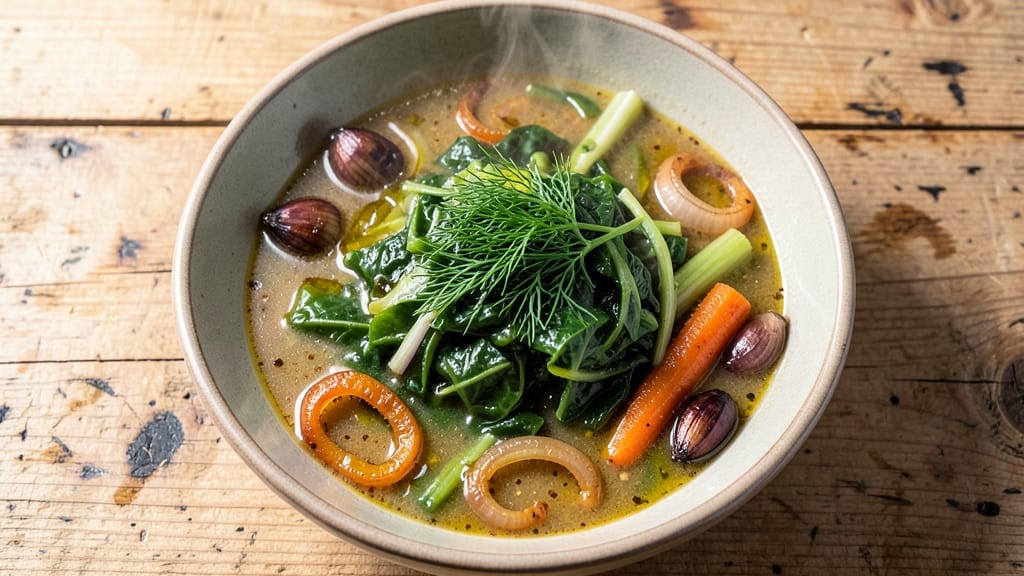
Betty Crocker's cabbage soup recipe delivers one-pot heartiness that transforms simple ingredients into a comforting, flavorful meal. This classic soup combines tender cabbage, sweet carrots, and savory broth for a dish that's both satisfying and easy to prepare.
The secret lies in balancing textures—crisp carrot crunch against silky cabbage—while keeping the process straightforward for busy weeknights.
The beauty of this recipe is its versatility—you can customize it with potatoes, ham, or even beans for added protein. A 30-minute simmer brings out the natural sweetness of the vegetables while the broth infuses with rich flavor.
What starts as a humble pot of ingredients becomes a fragrant, homey soup that's perfect for chilly days or family gatherings.
What you'll achieve is a restaurant-quality cabbage soup with minimal effort. The cabbage softens just enough to release its subtle bitterness, while the carrots maintain their satisfying crunch. Each spoonful delivers a perfect balance of savory, sweet, and earthy notes that make this soup irresistibly comforting.
Serve it with crusty bread to soak up every last drop of that flavorful broth. This recipe proves that simple ingredients—when prepared with care—can create something truly special. Let's get started on making your own pot of this classic comfort food.
Ingredients for betty crocker cabbage soup
Sixteen ingredients transform into Betty Crocker's iconic cabbage soup, balancing textures and flavors effortlessly.
| Ingredient | Amount | Notes |
|---|---|---|
| Green Cabbage 🥬 | 1 ½ lb | Green or purple, shredded into thin strips |
| Carrots 🥕 | 1 ½ lb | Whole, peeled, cut into even chunks |
| Yellow Onion 🧅 | 1 whole | Medium size, diced finely |
| Garlic Cloves 🧄 | 4 cloves | Fresh, minced for aromatic depth |
| Celery Stalks 🥬 | 3 whole | Cut into 1-inch pieces for base flavor |
| Chicken Broth 💧 | 6 cups | Low-sodium preferred for flavor control |
| Tomato Paste 🍅 | 2 tbsp | Smooth texture for rich depth |
| Dried Thyme 🌿 | 1 tsp | Or 1 tbsp fresh, finely chopped |
| Bay Leaves 🌿 | 2 whole | Removed before serving |
| Salt 🧂 | 1 ½ tsp | Diamond Crystal preferred for accuracy |
| Black Peppercorns 🌶️ | ½ tsp | Freshly cracked for optimal flavor |
| Olive Oil 🫒 | 2 tbsp | Extra-virgin for initial sautéing |
| Fresh Parsley 🌿 | ¼ cup | Chopped, for garnish and freshness |
| Potatoes 🥔 | 1 ½ lb | Optional, peeled and cubed for heartiness |
The cabbage and carrots form the soul of this soup. Green cabbage offers that classic crunch while purple varieties add subtle earthiness. For the best texture, look for heads with crisp leaves—Trader Joe's and Whole Foods carry excellent selections. Carrots should be firm with vibrant color; organic varieties from the produce section avoid wax coatings. The potatoes, if using, should be starchy like Russets—they absorb the broth beautifully. Prep all vegetables uniformly for even cooking; a mandoline slicer ensures consistency if you're ambitious.
No fresh thyme? Dried works at one-third the amount, but fresh releases more aroma. The tomato paste can be substituted with crushed tomatoes (1 cup) if preferred, though paste delivers deeper concentration. For broth, low-sodium options like Pacific Foods or Kitchen Basics give you control over seasoning. The celery adds subtle sweetness—substitute with fennel for a licorice note if you're feeling adventurous. If you're adding beans for protein, cannellini or kidney beans hold up well in the simmer. The parsley garnish? Fresh is non-negotiable—dried won't cut it here.
This soup tastes even better the next day as flavors meld. Store in an airtight container in the fridge for up to 5 days, or freeze portions for 3 months. The broth thickens as it cools, so add a splash of water when reheating. For meal prep, double the batch—leftovers reheat beautifully for quick lunches. The vegetables maintain their texture perfectly when reheated gently; never boil vigorously after initial cooking. Serve with crusty bread to soak up every last drop of that savory broth.
Why You'll Love This Recipe
- One-Pot Simplicity: I swear by this recipe because it’s literally a dump-and-go situation. Chop the cabbage, dice the onion and celery, toss in the carrots and garlic—then let the broth do the work. No fancy techniques, just simmering until everything melts into flavor.
- Garlicky Crunch Perfection: That first bite of tender cabbage with a crisp edge, kissed by garlic and caramelized onions? Honestly, it’s the kind of soup that makes you pause mid-spoonful. The carrots stay just sweet enough, and the celery adds this bright, fresh bite that balances everything out.
- Weeknight & Meal Prep Hero: Between us, this is my go-to when I’m swamped. It reheats beautifully for lunches, and the flavors actually deepens the next day—yes, even on a Tuesday night. Plus, it’s the kind of dish that feels fancy enough for company but zero effort.
- Pantry Staple Magic: I keep every ingredient on hand because it’s ridiculously budget-friendly. A whole head of cabbage and a bag of carrots stretch this into three meals, and the leftovers? Even better cold with a sprinkle of black pepper. No waste, all satisfaction.
Step-by-step instructions for Betty Crocker's cabbage soup
This classic cabbage soup delivers deep flavor and satisfying texture in a single pot.
Sauté the Vegetable Base
Heat the 2 tablespoons olive oil in a large Dutch oven over medium heat. Add the 1 whole yellow onion, 3 whole celery stalks (cut into 1-inch pieces), and 1.5 pounds carrots (cut into even chunks). Cook for 8-10 minutes until the vegetables begin to soften and the onion becomes translucent.
Here's the thing—don't rush this step. The vegetables need time to release their natural sugars and develop flavor. You'll know it's ready when the mixture smells sweet and aromatic. Next, add the 4 cloves garlic cloves (minced) and cook for another 30 seconds until fragrant. This builds the flavor foundation for your soup.
Add Tomato Paste and Seasonings
Stir in the 2 tablespoons tomato paste and cook for 1 minute to deepen the color and intensify the flavor. Add the 1 teaspoon dried thyme, 2 whole bay leaves, 1.5 teaspoons salt, and 0.5 teaspoon black peppercorns (freshly cracked). The bay leaves will infuse subtle earthy notes, while the thyme adds a warm herbal complexity.
I press the bay leaves gently into the mixture to release their oils. This ensures their flavor permeates throughout the soup. Let everything cook together for 2 minutes to allow the spices to bloom and meld with the vegetables.
Simmer with Broth and Potatoes
Pour in the 6 cups chicken broth and bring the mixture to a gentle boil. Add the 1.5 pounds potatoes (peeled and cubed) and reduce heat to medium-low. Let it simmer for 15-20 minutes until the potatoes are fork-tender but not falling apart. You want them to hold their shape while still being easily pierced with a knife.
This is where the soup starts coming together. The potatoes will absorb some of the broth, creating a thicker, heartier base. If you notice the soup getting too thick before the potatoes are done, add a splash of water or broth to maintain the right consistency.
Incorporate the Cabbage
Add the 1.5 pounds green cabbage (shredded into thin strips) to the pot. Stir gently to distribute it evenly throughout the soup. Return the heat to medium-low and simmer for another 10-15 minutes until the cabbage is tender but still holds its crunch. You want it just soft enough to be easily eaten but with enough bite to provide texture.
I always give the cabbage a quick stir every few minutes to prevent it from sticking to the bottom of the pot. The cabbage should be bright green and vibrant—this indicates it's cooked just right. If it starts to wilt too quickly, reduce the heat slightly to maintain its texture.
Finish and Serve
Remove the 2 whole bay leaves from the soup. Stir in the 0.25 cup fresh parsley (chopped) and let the soup sit off the heat for 5 minutes to allow the flavors to meld. This final step brightens the soup with freshness and ties all the flavors together.
Serve the soup hot, garnished with additional parsley if desired. The potatoes should be tender, the cabbage slightly crisp, and the broth rich with the flavors of thyme, bay leaf, and tomato paste. This one-pot wonder delivers comforting heartiness with minimal effort—just as Betty Crocker intended.
Pro Tips For Making Betty Crocker Cabbage Soup
- CHOP CABBAGE UNIFORMLY: The recipe calls for green cabbage, but if you leave chunks too thick, they’ll stay crunchy instead of tender. Cut into ½-inch slices first, then quarter each slice—this guarantees even cooking without turning to mush or leaving you with a salad-like texture.
- SWEAT ONIONS LOW AND SLOW: After dicing the onion, don’t rush the sautéing. Cook it on medium-low heat for 5–7 minutes until translucent but not browned—this builds flavor without burning. I learned this the hard way when my soup tasted bitter because I cranked the heat.
- SAVE TIME WITH FROZEN CELERY: Fresh celery is great, but if you’re short on time, frozen chopped celery works just as well and skips the chopping step. Just drain it well after thawing, or you’ll end up with a watery soup—trust me, I’ve made that mistake.
- ADD GARLIC AT THE END: The recipe might call for garlic early, but tossing in the minced cloves in the last 2 minutes of cooking keeps their flavor bright and sharp. If you add them too soon, they’ll turn bitter—like I did the first three times I made this.
Troubleshooting great betty crocker cabbage soup
Mushy Cabbage Fix
If your cabbage turns into a sad, limp pile instead of holding its crunch, you likely overcooked it. The secret is simmering at low heat—never boiling vigorously.
Reduce heat to medium-low and add the cabbage last (after potatoes). For extra insurance, I recommend undercooking it by 2 minutes—it'll firm up while resting. 🥬
Broth Too Thin?
Watery soup happens when broth absorbs into vegetables. If this occurs, stir in 1 tablespoon cornstarch mixed with 2 tablespoons cold water and simmer for 3-5 minutes.
For a thicker base from the start, mash ½ of the potatoes before adding broth. I also recommend using low-sodium broth—it concentrates better when reduced.
Vegetables Unevenly Cooked
Uneven cooking usually means inconsistent chopping. For perfect even doneness, use a mandoline slicer for cabbage and uniform 1-inch cubes for potatoes/carrots. If some pieces are still tough after simmering, remove them and return later. The carrots should be tender-crisp, not mushy—this indicates they're cooked just right.
Flavor Too Mild
If your soup tastes bland, it likely needs more acidity or depth. Add 1 tablespoon apple cider vinegar or lemon juice at the end for brightness. For richer flavor, stir in 1 teaspoon soy sauce or 1 bay leaf during the final 10 minutes of simmering.
I also recommend toasting the spices—bloom thyme and bay leaves in olive oil for 30 seconds before adding broth.
Potatoes Falling Apart
Overcooked potatoes release starch, making your soup gluey. To prevent this, parboil potatoes for 5 minutes before adding to the soup. They'll finish cooking faster without disintegrating. For extra stability, use waxy potatoes like Yukon Golds—they hold shape better than Russets in soups. 🥔
Burnt Onions or Carrots
Burnt vegetables mean your heat was too high. Sauté the base over medium heat—not high—until onions are translucent (8-10 minutes). If you see browned bits, scrape them out before adding broth.
For insurance, I recommend using a Dutch oven—its heavy base distributes heat evenly and prevents hot spots. 🔥
Nutrition facts
Frequently asked questions
Can I make this cabbage soup without potatoes?
Skip the potatoes or substitute with ½ cup cooked white beans for protein. The soup will be lighter but still hearty, with the carrots and cabbage providing natural sweetness and crunch. For extra depth, add 1 cup diced tomatoes or ½ cup corn kernels instead. The broth and vegetables will still create a satisfying meal.
How can I make this soup vegetarian?
Replace the chicken broth with 6 cups vegetable broth and omit any meat additions. For protein, stir in 1 can (15 oz) white beans or ½ cup lentils during the final 15 minutes of cooking. The tomato paste and thyme will add rich flavor without animal products. Serve with crusty bread to make it a complete vegetarian meal.
Can I prep this soup ahead of time?
Yes! This soup tastes even better the next day. Store in an airtight container in the fridge for up to 5 days. The flavors meld beautifully, and the broth thickens slightly. For freezing, cool completely first, then freeze for up to 3 months. Thaw overnight in the fridge and reheat gently on the stove to maintain texture.
What's the best way to reheat leftovers?
Reheat gently on the stove over low heat with a splash of water or broth to prevent drying. Never microwave directly from the fridge—this can make the cabbage mushy. If the soup seems too thick after reheating, stir in a little more broth. The potatoes and carrots should remain tender, while the cabbage should hold its slight crunch.
Can I use frozen cabbage instead of fresh?
Frozen cabbage works perfectly—just don't thaw it first! Add it directly to the simmering pot with the potatoes. Frozen cabbage cooks faster than fresh, so reduce the simmering time by 5 minutes to avoid mushiness. The flavor remains just as vibrant, and you'll save prep time. This is a great option for quick weeknight meals!