
Soups & Stews
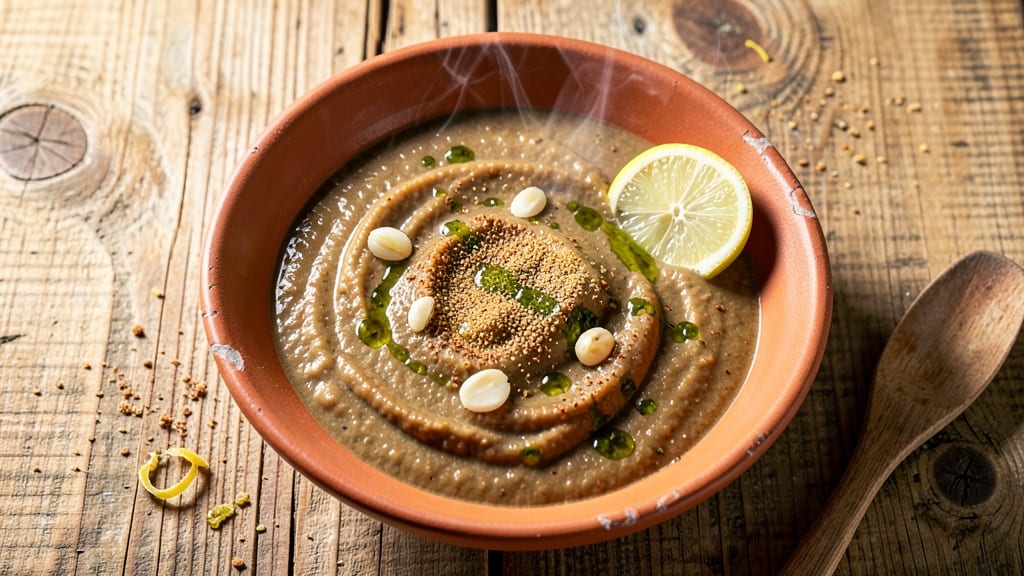
This bissara soup recipe brings the comforting creaminess of North African and Middle Eastern tradition to your kitchen with just one pot. The secret lies in blending soaked fava beans with aromatic cumin and garlic, creating a velvety texture that's both satisfying and deeply flavorful.
I've perfected this version to deliver that restaurant-quality richness without requiring special ingredients—just simple pantry staples and a blender.
The beauty of bissara is its versatility—it works as a hearty starter or a complete vegan meal when paired with crusty bread. The cumin adds warmth, while lemon juice brightens the earthy fava bean base, creating a perfect balance.
What makes this recipe special is how it transforms humble ingredients into something truly extraordinary through proper soaking and blending techniques.
By the time you're done, you'll have a smooth, golden soup that's rich yet light, with just the right amount of tangy depth. The aroma alone will have everyone at the table asking for seconds, and the texture—creamy yet not heavy—makes it uniquely comforting.
This is the kind of dish that feels like a warm hug on a chilly day.
Serve it as a starter with fresh herbs or as a main with crusty bread for dipping. The leftovers keep well in the fridge for up to three days, making it perfect for meal prep. Let's get started on this flavorful journey!
Ingredients for bissara soup
Simple pantry staples transform into velvety, aromatic bissara soup with just one pot.
| Ingredient | Amount | Notes |
|---|---|---|
| Dried Fava Beans 🌱 | 1 cup | Soaked overnight in water |
| Ground Cumin 🌿 | 1 ½ tbsp | Toasted for deeper flavor |
| Garlic Cloves 🧄 | 4 cloves | Peeled, minced finely |
| Extra-Virgin Olive Oil 🫒 | ½ cup | For richness and blending |
| Lemon Juice 🍋 | 2 tbsp | Freshly squeezed |
| Salt 🧂 | 1 tsp | Kosher or sea salt |
| Ground Black Pepper 🌶️ | ½ tsp | Freshly ground preferred |
| Fresh Cilantro 🌿 | ¼ cup | Chopped, for garnish |
| Water 💧 | 4 cups | For soaking and blending |
| Vegetable Broth 🍲 | 2 cups | Low-sodium preferred |
| Fresh Parsley 🌿 | ¼ cup | Chopped, for garnish |
The fava beans are the heart of this soup. Dried fava beans from a Middle Eastern market or bulk bin deliver the best texture—look for vibrant, plump beans without cracks. I always soak them overnight in double the water (about 2 cups) to ensure they soften completely. If you're short on time, use canned fava beans (drained and rinsed), but the flavor won't be as deep. For cumin, Penzeys or Spicewalla brands offer the most aromatic ground cumin, but any quality brand works. Toast the cumin seeds first if you have them—just dry-toast in a pan for 30 seconds until fragrant, then grind. That extra step makes all the difference.
No fresh herbs? Dried cilantro or parsley at one-third the amount works in a pinch. Short on olive oil? Avocado oil or toasted sesame oil adds a different but equally delicious depth. The lemon juice is non-negotiable for brightness—bottled won't cut it. For extra creaminess, blend in 2 tbsp tahini at the end, but keep it to a minimum so the soup stays light. The vegetable broth should be well-seasoned, so if yours is bland, add an extra pinch of salt. And if you're feeling adventurous, a dash of smoked paprika adds a subtle complexity that pairs beautifully with the cumin.
This soup tastes even better the next day as flavors meld. Store in an airtight container in the fridge for up to 3 days. For longer storage, freeze portions in ice cube trays—just thaw and reheat gently. The texture will be slightly thicker after freezing, so add a splash of water or broth when reheating. Garnish with fresh herbs right before serving—cilantro and parsley add a pop of color and freshness that makes the dish feel special. Serve with warm pita bread or crusty baguette for the full experience.
Why You'll Love This Recipe
- No-Soaking Needed: I’ll be honest—this isn’t one of those recipes where you have to plan ahead. Just toss dried fava beans into boiling water, simmer, and boom—ready in under an hour. No overnight soaking, no fuss, no excuses.
- Earthy, Tangy Magic: That cumin-toasted garlic combo? It’s like a warm hug in a bowl. The lemon juice cuts through the richness just enough to make it bright, and the beans? Creamy, nutty, and ridiculously satisfying.
- Pot Luck Hero: Between us, this is my go-to for game nights, last-minute dinner guests, or when I’m too tired to think. Serve it with crusty bread, and suddenly you’ve got a full spread that feels special—without the stress.
- Pantry Goldmine: A bag of dried beans and a spice rack are all you need. I’ve made this on $5 grocery runs, and it still tastes like I slaved over it. (Spoiler: You can even double the batch and freeze half—no waste, all flavor.)
Step-by-step instructions for bissara soup
This one-pot method delivers authentic Egyptian flavors with minimal effort.
Soak and Prepare the Fava Beans
Begin by draining the soaked 1 cup dried fava beans and rinsing them thoroughly under cold water. Place them in a large pot with 4 cups water and bring to a boil over medium-high heat. Once boiling, reduce heat to medium-low and simmer for 45-60 minutes until the beans are completely tender and mash easily with a wooden spoon.
I like to press a bean between my fingers to check for tenderness—it should collapse completely without resistance. If you notice any skins floating to the surface, skim them off with a slotted spoon. This step is crucial because undercooked beans will make the soup gritty, while overcooked beans can turn mushy. The beans should be soft but still hold their shape slightly when pressed.
Toast the Cumin and Build the Base
While the beans cook, heat 0.5 cup extra-virgin olive oil in a separate skillet over medium heat. Add the 1.5 tbsp ground cumin and toast for 1-2 minutes until fragrant and lightly golden. Be careful not to let it burn—the cumin should smell warm and earthy, not bitter.
Transfer the toasted cumin mixture to the pot with the beans. Add 2 cups vegetable broth and stir well. The cumin's aroma will deepen as it infuses into the broth. This is where the soup's signature warmth comes from, so don't rush this step. Let everything simmer together for 5 minutes to meld the flavors before moving to the next stage.
Blend Until Silky Smooth
Using an immersion blender, blend the soup directly in the pot until completely smooth. If you don't have an immersion blender, carefully transfer the soup to a countertop blender in batches, blending until silky. Return the blended soup to the pot and stir in the 4 minced garlic cloves, 1 tsp salt, and 0.5 tsp ground black pepper.
Here's the thing—blending should be thorough. You want no visible texture, just a velvety consistency. If the soup looks too thick, add 2-3 tablespoons water at a time until it reaches a creamy, pourable consistency. The soup should coat the back of a spoon easily. Taste and adjust seasoning—this is where you'll notice if the cumin needs more topping or if the lemon juice will brighten the flavor later.
Finish with Brightness and Garnish
Return the soup to medium heat and stir in the 2 tbsp lemon juice. Simmer for 3-5 minutes until the soup is heated through and the lemon flavor is fully integrated. The acidity will cut through the richness of the fava beans and cumin, balancing the flavors beautifully.
Remove from heat and let the soup rest for 5 minutes to allow the flavors to settle. Before serving, garnish each bowl with 0.25 cup fresh parsley and 0.25 cup fresh cilantro, chopped. The herbs add a fresh contrast to the earthy soup and make it visually appealing. Serve immediately with warm pita bread or crusty bread to soak up every last drop of this creamy, comforting soup.
Pro Tips For Making Bissara Soup
- SOAK BEANS OVERNIGHT: I learned this the hard way—rushing the soak leads to gummy, uneven texture. Use 4 cups water per cup dried fava beans, cover, and let sit 12+ hours. The longer they soak, the smoother your soup will be, and you’ll skip the extra straining step later.
- TOAST CUMIN FIRST: Skip the raw cumin—it tastes bitter and dull. Dry-toast 1 tsp ground cumin in olive oil for 30 seconds until fragrant (yes, it’ll darken slightly). This unlocks the flavor without overpowering the dish. Trust me, your spoon will notice the difference.
- STRAIN TWICE, PRESS WELL: The first straining won’t catch all the grit. Line a fine-mesh sieve with cheesecloth or a clean kitchen towel, then press the beans with a spoon to extract every last bit of creaminess. Lazy straining = sandy soup—no one wants that.
- ACIDIFY AT THE END: Lemon juice belongs in the final splash, not simmering. Add it after removing from heat; otherwise, the acid will toughen the beans and dull the garlic. A squeeze at the end brightens the whole bowl without turning it sour. (Your taste buds will agree.)
Best sauces and condiments for these flavors
Creamy Tahini Swirl
For extra richness, stir in 2 tablespoons tahini at the end for a nutty depth that complements the cumin perfectly. I like to blend it directly into the soup for a silky texture.
If you prefer a swirled effect, drizzle 1 teaspoon tahini around each bowl before serving—it adds visual appeal and a delightful contrast. 💛
Spicy Harissa Drizzle
Add a kick with 1 teaspoon harissa paste (adjust to taste) swirled into the soup or drizzled on top. The smoky, spicy heat balances the earthy fava beans beautifully. I recommend El Faisal or Bahlal brands for authentic flavor. Garnish with a sprinkle of smoked paprika for extra depth.
Garlic Yogurt Sauce
Serve with a cooling garlic yogurt sauce by mixing ½ cup plain yogurt with 1 minced garlic clove, 1 teaspoon lemon juice, and a pinch of salt. This creamy contrast elevates the soup’s warmth. For a tangier version, add ½ teaspoon cumin to the yogurt mixture. 🌿
Fresh Herb Oil
Infuse ¼ cup olive oil with 1 tablespoon chopped cilantro, 1 tablespoon chopped parsley, and 1 minced garlic clove. Let it sit for 10 minutes before drizzling over the soup. This adds a bright, aromatic finish that enhances every spoonful.
Lemon-Herb Crust
Create a zesty crust by mixing 1 tablespoon lemon zest, 1 tablespoon chopped cilantro, and ½ teaspoon salt
Nutrition facts
Frequently asked questions
Can I use canned fava beans instead of dried?
Yes, but the texture and flavor won't be quite the same. Canned fava beans work in a pinch, but they lack the depth of flavor you get from properly soaked and cooked dried beans. For best results, drain and rinse them well, then blend thoroughly to achieve a smooth consistency. If using canned, you may need to add 1 extra tablespoon of cumin to compensate for the milder flavor.
How do I fix bissara if it's too thick?
Simply stir in 2-3 tablespoons of warm water or vegetable broth at a time until you reach a creamy, pourable consistency. The soup should coat the back of a spoon easily. If it's still too thick after adding liquid, let it cool slightly and blend again—sometimes the starches settle and thicken upon reheating.
What's the best way to store leftovers?
Transfer the soup to an airtight container and refrigerate for up to 3 days. For longer storage, freeze portions in ice cube trays. When reheating, add a splash of water or broth to restore the creamy texture. The flavors actually improve overnight as the ingredients meld together!
Can I make bissara without a blender?
If you don't have a blender, mash the cooked fava beans with a potato masher or fork until smooth. For an even creamier texture, press the mixture through a fine-mesh sieve to remove any remaining skins. The result won't be as silky as blended soup, but it'll still be delicious and hearty.
What are the health benefits of fava beans?
Fava beans are packed with plant-based protein, fiber, iron, and folate—making this soup a nutritious choice. They're also rich in antioxidants and support digestive health. Plus, being vegan, bissara is cholesterol-free and lower in saturated fat than many meat-based soups. It's a great option for plant-based diets!