
Soups & Stews
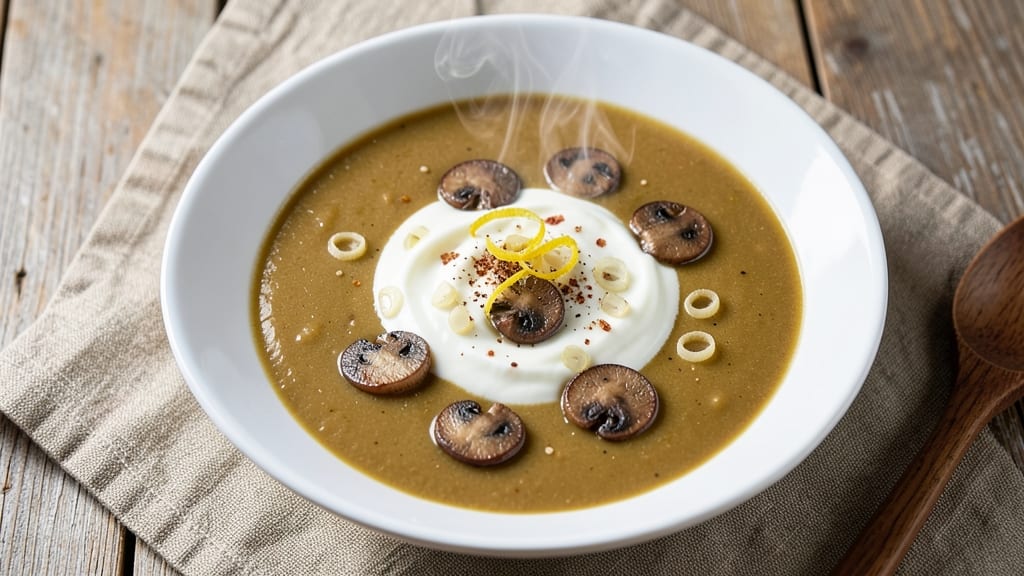
Gordon Ramsay’s mushroom soup delivers restaurant-quality velvety richness with a crispy garnish that elevates every spoonful. This recipe transforms humble mushrooms into a deeply umami-packed masterpiece, where proper technique—sautéing, reducing, and finishing—creates a silky texture and bold flavor profile that rivals any bistro dish.
The secret lies in patience: letting the mushrooms develop their natural sweetness before blending them into a velvety broth.
What sets this soup apart is the crispy element—whether it’s toasted bread croutons or perfectly fried shallots—that adds a satisfying textural contrast to the smooth purée. Ramsay’s method ensures the soup never tastes flat, balancing earthy mushrooms with aromatic herbs and a touch of creaminess.
The result? A dish that’s both comforting and refined, perfect for chilly evenings or impressing dinner guests.
By following these precise steps, you’ll achieve a soup that’s rich yet balanced, with a velvety consistency and a garnish that crackles with every bite. The key is attention to detail—properly cooking the mushrooms, reducing the broth, and finishing with the right garnish.
This isn’t just soup; it’s a technique that transforms simple ingredients into something extraordinary.
Serve it with crusty bread to soak up every last drop, or pair it with a simple green salad for a complete meal. The crispy garnish ensures no bite is forgotten, making this a dish that feels special without requiring hours in the kitchen. Let’s get cooking.
Ingredients for mushroom soup recipe gordon ramsay
Restaurant-quality umami and crispy texture start with these carefully chosen ingredients.
| Ingredient | Amount | Notes |
|---|---|---|
| Fresh Button Mushrooms 🍄 | 16 oz | Cremini or wild mushrooms preferred |
| Shallots 🧅 | 2 whole | Finely minced for depth |
| Garlic Cloves 🧄 | 4 cloves | Peeled and smashed for aroma |
| Vegetable Stock 💧 | 4 cups | Homemade or high-quality store-bought |
| Heavy Cream 🥛 | ½ cup | Full-fat for velvety texture |
| Unsalted Butter 🧈 | 2 tbsp | European-style preferred |
| Dry White Wine 🍷 | ¼ cup | Sauvignon Blanc or Chardonnay |
| Fresh Thyme 🌿 | ¼ cup | Leaves only, stems removed |
| Fresh Parsley 🌿 | ⅛ cup | Chopped for garnish |
| Baguette 🍞 | 1 whole | Stale or toasted for croutons |
| Olive Oil 🫒 | 2 tbsp | Extra-virgin for frying |
| Diamond Crystal Kosher Salt 🧂 | 1 ½ tsp | Adjust to taste |
| Freshly Ground Black Pepper 🌶️ | ½ tsp | Cracked peppercorns preferred |
| Freshly Grated Parmesan Cheese 🧀 | ¼ cup | For finishing |
The mushrooms are non-negotiable—cremini or wild varieties deliver the deepest umami flavor. Whole Foods Market or specialty grocers carry the best selection, but standard grocery stores will work with button mushrooms if needed. For the shallots, organic is ideal—they should be firm and pale purple with no green sprouting. The thyme and parsley should be vibrant green, not wilted. Trader Joe's often has excellent fresh herb bundles at reasonable prices. The vegetable stock is where you can splurge: Pacific Foods or Imagine brands are industry standards for depth of flavor. Finally, the baguette must be crusty—Boudin Bakery or any artisanal bakery will have the perfect loaf for crispy croutons.
No white wine? Dry vermouth or extra vegetable stock works in a pinch, though the flavor will be subtly different. Substituting mushrooms? Oyster mushrooms or porcini (reconstituted) add earthiness, but nothing matches the texture of cremini. For the cream, half-and-half thinned with stock can mimic richness, though it won't be as velvety. The butter is critical—European-style brands like Plugrá melt smoothly and add depth. If you're avoiding dairy, coconut cream can replace heavy cream, though the texture will be slightly different. For the crispy element, toasted breadcrumbs with olive oil work if baguette isn't available—just pulse in a food processor for even texture.
Store the vegetable stock in the freezer for up to 6 months—it's the base of countless dishes. Fresh herbs should be wrapped in damp paper towels and refrigerated for no more than 5 days. The baguette keeps well at room temperature for 3 days, but toasting it immediately before making croutons ensures maximum crispiness. Once the soup is made, it reheats beautifully—gentle warming on the stove is best to preserve its silky texture. The crispy garnish should be made fresh; it loses its crunch within 10 minutes, so prepare it last. For meal prep, make the soup base ahead and finish with garnish just before serving.
Why You'll Love This Recipe
- No Chopping Nightmare: I swear, the shallots barely need slicing—just a rough dice, and you’re done. That’s 5 minutes saved right there, and the flavor? Still packed.
- Umami Bomb: Those button mushrooms caramelize into something rich and deep, especially when you let them sit in the stock. Add the heavy cream at the end, and it’s like a warm hug in a bowl—no one will guess it’s "just" mushrooms.
- Leftovers That Don’t Suck: This soup actually gets better the next day. I make a double batch on Sundays, and by Wednesday, it’s still silky and delicious. Freeze half if you’re feeling extra—just reheat and add a splash of cream.
- Weeknight Magic: Five ingredients, one pot, 30 minutes max. Even if you burn the garlic (guilty), the soup still tastes like you slaved over it. Perfect for when you’re exhausted but still want to feel like you cooked something special.
Step-by-step instructions for gordon Ramsay's mushroom soup
Master this technique for velvety texture and restaurant-quality depth every time.
Develop the Mushroom Base
Heat the 2 tablespoons olive oil and 2 tablespoons unsalted butter in a large pot over medium heat until the butter melts and foams subsides. Add the 16 ounces fresh button mushrooms, sliced into ¼-inch pieces, and cook for 8-10 minutes until all moisture has evaporated and the mushrooms release their deep umami essence.
Here's the thing—don't rush this step. You'll know it's ready when the mushrooms turn golden and the pan begins to smell intensely earthy. Stir occasionally to ensure even browning. If the mushrooms stick, add a splash of dry white wine to deglaze. This wine will later reduce into the sauce, adding complexity.
Build Flavor with Aromatics
Add the 2 whole shallots, finely minced, and cook for 3-4 minutes until softened and translucent. Stir in the 4 cloves garlic, peeled and smashed, and cook for an additional 30 seconds until fragrant but not browned. This quick cook prevents bitterness while maximizing flavor extraction.
I always add the 0.25 cup fresh thyme at this stage, allowing the leaves to infuse the base with their piney aroma. If using stems, remove them first—they add bitterness. The thyme should sizzle gently in the pan, releasing its essential oils into the developing sauce.
Simmer with Stock and Wine
Pour in the 0.25 cup dry white wine, scraping up any browned bits from the bottom of the pot. Let it simmer for 2-3 minutes until reduced by half. Add the 4 cups vegetable stock and bring to a gentle boil, then reduce heat to medium-low and simmer uncovered for 15 minutes to allow flavors to meld.
This simmering phase is critical. The liquid should reduce slightly, concentrating flavors while maintaining a smooth consistency. Taste occasionally and adjust seasoning with 1.5 teaspoons diamond crystal kosher salt and 0.5 teaspoon freshly ground black pepper. The soup should taste rich but not overly salty—balance is key.
Finish with Cream and Garnish
Stir in the 0.5 cup heavy cream and simmer gently for 3-4 minutes until the soup reaches a velvety texture. Remove from heat and let it rest for 5 minutes to allow flavors to fully integrate. The cream should blend seamlessly, creating a luxurious mouthfeel without breaking the soup's structure.
For the crispy garnish, cut the 1 whole baguette into ½-inch cubes, toss with 1 tablespoon olive oil, and toast in a dry skillet over medium heat for 3-4 minutes until golden. Sprinkle with 0.25 cup freshly grated parmesan cheese and 0.125 cup fresh parsley before serving to add texture contrast and visual appeal.
Serve with Precision
Ladle the soup into bowls, ensuring each serving gets its share of crispy baguette cubes on top. The contrast between the velvety soup and crunchy garnish is what makes this dish exceptional. Serve immediately while the bread maintains its crispness and the soup remains piping hot.
This technique delivers the perfect balance of umami depth and textural contrast. The key lies in patience—allowing each component to develop its flavor before combining. The result is a soup that tastes like it came from a Michelin-starred kitchen, not just your home stove.
Pro Tips For Making Mushroom Soup Recipe Gordon Ramsay
- Sweat the Shallots Low: I learned this the hard way—ditch the high flame for shallots. Cook them on medium-low with a splash of stock to deglaze, stirring every 30 seconds until they’re translucent but not browned. Overcooking turns them bitter, and nobody wants that undercurrent in their soup.
- Slice Mushrooms Thinly: Button mushrooms release flavor faster when sliced paper-thin (about 1/8-inch). Use a sharp knife or mandoline—thicker slices mean tougher texture and underwhelming richness. And for heaven’s sake, wipe the mushrooms first if they’re dirty; nobody wants grit in their cream.
- Simmer Stock Gently: After adding stock, keep the heat at a bare simmer—no rolling boil. You’re not making tea; you’re extracting depth. A hard boil scalds the mushrooms and dulls their earthy notes. Cover the pot and let it work its magic for at least 15 minutes.
- Finish with Cold Cream: Sounds weird, but it works: stir in the heavy cream off the heat, then let it sit for 2 minutes before serving. Cold cream blends smoother and avoids that dreaded curdling. If you’re impatient, whisk it in quickly, but don’t rush—this is where the soup gets silky.
Troubleshooting perfect results
Mushrooms Too Watery
If your mushrooms release too much moisture during cooking, they’ll steam instead of developing deep umami flavors. To fix this, pat them dry with paper towels before slicing, and cook them in batches if needed—overcrowding the pan traps steam.
I also recommend using a stainless steel pot (like All-Clad) to prevent sticking, which helps evaporate excess moisture faster. 💧
Broth Too Thin or Watery
A thin broth often means the stock wasn’t reduced enough. Always simmer the stock uncovered for at least 15 minutes to concentrate flavors. If it’s still too thin, remove from heat and let it rest for 5 minutes—this helps thicken naturally.
For an instant fix, stir in 1 teaspoon cornstarch mixed with 1 tablespoon cold water and simmer for 2 minutes until thickened.
Garnish Loses Crispiness
Crispy croutons or fried shallots turn soggy when exposed to steam. To prevent this, make them fresh right before serving—even 10 minutes ahead can ruin the texture. For extra insurance, toss croutons with ½ teaspoon paprika before toasting, which adds a slight barrier against moisture.
Serve garnishes on the side if prepping ahead, and add them tableside for maximum crunch.
Soup Tastes Bland or Flat
Bland soup usually means insufficient seasoning or underdeveloped flavors. Taste as you go—add ½ teaspoon more salt or a pinch of white pepper if needed. For depth, deglaze the pan with wine twice (once after mushrooms, again after shallots) to extract more flavor.
If the soup still lacks richness, stir in 1 tablespoon butter at the end for a velvety finish.
Lumpy or Grainy Texture
Lumps form when cream isn’t incorporated properly. Always temper the cream by whisking it into a ladle of hot soup first, then slowly adding it back to the pot.
For extra smoothness, strain the soup through a fine-mesh sieve before serving. If using store-bought stock, choose a smooth, unchunky brand like Pacific Foods to avoid gritty textures.
Nutrition facts
Frequently asked questions
Can I substitute cremini mushrooms for button mushrooms?
Cremini mushrooms actually work better—they're meatier and have deeper umami flavor. For the best results, use the same quantity (16 oz) and slice them slightly thicker (¼-inch) to maintain texture. If you're using wild mushrooms, reduce the amount by 25% since they're denser and more flavorful.
What white wine should I use if I don't have Sauvignon Blanc?
Any dry white wine works—Chardonnay, Pinot Grigio, or even a crisp dry Riesling will add acidity and depth. For non-alcoholic versions, use the same amount of dry vermouth or extra vegetable stock. The key is choosing a wine with good acidity to balance the richness of the mushrooms and cream.
How do I make this soup dairy-free?
Replace the heavy cream with ½ cup coconut cream (thinned with 2 tbsp stock) and use olive oil instead of butter. For extra richness, stir in 1 tbsp nutritional yeast at the end. The texture will be slightly different but still velvety. Ensure your stock is also dairy-free if using store-bought.
Can I make this soup ahead of time?
Yes, but prepare it strategically! Make the soup base (through Step 3) and refrigerate for up to 2 days. Reheat gently on low heat, then finish with cream and garnish fresh. For longer storage, freeze the base (without cream) for 3 months. Always make the crispy garnish fresh—it loses crunch within 10 minutes.
Why does my soup taste bitter?
Bitterness usually comes from overcooked garlic or mushrooms. Cook garlic just until fragrant (30 seconds), not browned. For mushrooms, remove them from the pan once they're golden and moisture has evaporated—don't let them darken. If bitterness persists, stir in 1 tsp sugar or a splash of lemon juice to balance the flavors.