
Sauces & Condiments
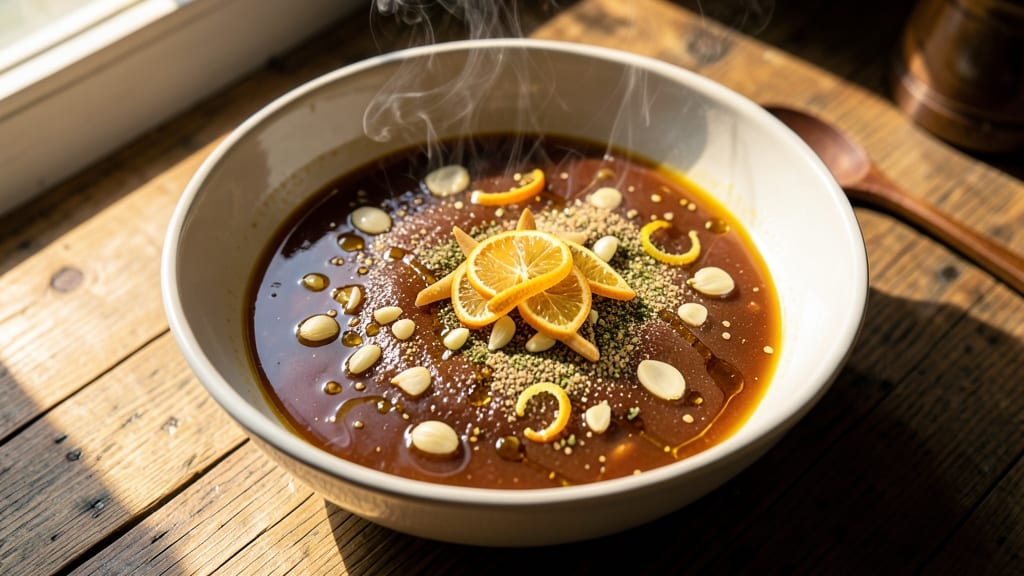
This tamarind soup base recipe unlocks the tangy-sour magic that elevates soups from ordinary to extraordinary. 💫 Aromatic shallots, garlic, and ginger form the foundation, while tamarind pulp delivers that signature depth—bright, complex, and impossible to replicate with bottled substitutes.
The secret lies in simmering spices like cumin and coriander until they bloom, creating a fragrant backbone that transforms into a velvety, concentrated paste when blended.
Perfect for Thai tom yum, Vietnamese phở, or even vegetarian curries, this base transforms simple broths into restaurant-quality soups. The process is straightforward: sauté aromatics, deglaze with tamarind pulp, and simmer until rich and aromatic.
No special equipment is needed—just a saucepan and immersion blender (or regular blender) for silky smooth results. The base keeps for weeks in the fridge, making it your go-to pantry staple for quick, flavorful meals.
What you’ll achieve is a versatile, concentrated flavor bomb that cuts through richness while adding layers of umami and citrusy brightness. Use it as-is for soups, or dilute with broth for lighter dishes.
The balance of sweet, sour, and spicy is precise—no guesswork, just professional-level results every time. This isn’t just a soup base; it’s the foundation for bold, memorable flavors.
Store it in the fridge for up to 3 weeks or freeze for 3 months, ready to transform any broth into a masterpiece. Whether you’re cooking for a crowd or meal prepping, this tamarind base is your secret weapon for depth and complexity. Let’s build flavor that lingers.
Ingredients for tamarind soup base
Tamarind's tangy soul meets aromatic spices in this velvety base—transform any broth into restaurant magic.
| Ingredient | Amount | Notes |
|---|---|---|
| Tamarind Pulp 🍈 | ½ cup | Unrefined, block form preferred |
| Shallots 🧅 | ½ cup | Finely minced, 4-5 medium |
| Garlic Cloves 🧄 | 6 cloves | Peeled, rough chopped |
| Fresh Ginger 🌿 | 2 tbsp | Grated, organic preferred |
| Ground Cumin 🌶️ | 1 ½ tsp | Toasted for maximum aroma |
| Ground Coriander 🌿 | 1 ½ tsp | Freshly ground preferred |
| Turmeric Powder 🧡 | ½ tsp | Bright orange color |
| White Peppercorns 🌶️ | ½ tsp | Freshly cracked |
| Vegetable Oil 🫒 | 2 tbsp | High smoke point |
| Water 💧 | 1 ½ cups | Filtered preferred |
| Lemon Juice 🍋 | 1 tbsp | Freshly squeezed |
| Sea Salt 🧂 | ½ tsp | Diamond Crystal preferred |
Tamarind is non-negotiable here. Look for block form at Asian markets—it's unrefined and packs maximum depth. The shallots should be vibrant purple, not dried out, and Whole Foods or Trader Joe's usually carry fresh ginger with vibrant green skin. For spices, Penzeys or bulk bins at natural grocers guarantee freshness—ground spices lose potency after 6 months. The vegetable oil matters too: avocado or refined coconut oil handles the heat best without overpowering the delicate flavors. Toast your cumin and coriander in the dry pan for 30 seconds before adding aromatics—this releases their essential oils and builds that fragrant backbone the intro promises.
No tamarind block? Substitute 2 tbsp tamarind paste (like Thai Kitchen brand) but reduce water to 1 cup. Shallots too strong? Swap half for yellow onion. Fresh ginger not available? Ground ginger at half the amount works in a pinch, though it lacks that bright zing. The turmeric can be swapped for curcumin powder if you're sensitive to its earthy notes. For extra depth, add 1 tsp fish sauce (vegetarian version: soy sauce) but omit if keeping strictly plant-based. The lemon juice is your flavor balancer—adjust to taste, but don't skip it entirely. This base is all about that precise sweet-sour-spicy balance the intro raves about.
This keeps like a dream. Transfer to a clean glass jar with a tight seal—it'll last 3 weeks in the fridge or 3 months frozen. I portion mine into ice cube trays for single-use servings—perfect for quick weeknight soups. For best texture, let it come to room temperature before using. The flavor actually improves overnight as the spices meld. Freeze any extras in silicone molds for easy scooping later. Pro tip: Label with the date—trust me, you'll forget how long it's been sitting there.
Why You'll Love This Recipe
- Foolproof Pantry Start: I swear by this base—no fancy prep, just shallots and garlic softened in oil until they’re sweet and jammy, then a splash of tamarind pulp that cuts through like magic. Honestly, even if I burn the garlic a little (it happens), the soup still tastes like it belongs in a restaurant.
- Tangy Warmth Combo: That tamarind’s bright, funky punch paired with fresh ginger and cumin? It’s the kind of flavor that makes you pause mid-sip. I’ll be real: the first time I tasted it, I immediately wanted to turn it into soup, curry, and even a glaze for chicken—all in one day.
- Soup-to-Sauce Swiss Army: This base is my weeknight MVP. Simmer it with coconut milk for a quick curry, stretch it into a broth for noodles, or drizzle it over grilled fish. Between us, I’ve used it for three different meals in a row without getting tired of it—proof it’s that reliable.
- Budget-Friendly Staple: Tamarind pulp lasts forever, and a handful of shallots/garlic/ginger goes a long way. I make big batches, freeze them, and pull them out for lazy nights or when I’m craving something rich but don’t want to splurge. (Yes, even on a Tuesday night.)
Step-by-step instructions for tamarind soup base
Here's how to build this vibrant, balanced foundation—where tart tamarind meets aromatic spices.
🍳 Step 1: Bloom the Spices in Oil
Heat the 2 tablespoons vegetable oil in a medium saucepan over medium-low heat. Add the 6 cloves rough chopped garlic and 2 tablespoons grated fresh ginger, cooking for 2 minutes until fragrant but not browned. This gentle cooking awakens their flavors without burning.
Next, add the 1.5 teaspoons toasted ground cumin, 1.5 teaspoons freshly ground coriander, 0.5 teaspoon turmeric powder, and 0.5 teaspoon freshly cracked white peppercorns. Stir constantly for 30 seconds until the spices bloom and fill your kitchen with their warm, earthy aroma. The cumin should sizzle slightly—this is your signal to move quickly to the next step before the spices darken.
👨🍳 Step 2: Sauté the Shallots
Add the 0.5 cup finely minced shallots to the spice-oil mixture. Cook over medium heat for 4-5 minutes, stirring frequently, until the shallots soften and become translucent. You're aiming for a gentle caramelization—not deep browning—so watch them closely. If they start to stick, add a splash of water to deglaze, but keep the heat steady.
Here's the thing—the shallots should release their sweetness while maintaining their structure. Overcooking turns them bitter, so when they're just barely tender at the edges, it's time to move on. The residual moisture from the shallots will help create a silky soup base later.
🥘 Step 3: Add Tamarind and Water
Pour in the 1.5 cups filtered water and bring the mixture to a gentle simmer. Once bubbling, add the 0.5 cup unrefined tamarind pulp (broken into small pieces if using block form). Stir well to dissolve the tamarind completely—it should create a thick, tangy paste that blends smoothly with the other ingredients.
Simmer the mixture for 10-12 minutes until it reduces slightly and the tamarind's natural sweet-tartness permeates the base. You'll notice the color deepen to a rich amber hue, and the aroma will become more complex. The tamarind should be fully incorporated with no visible pulp—this ensures a smooth, cohesive base. If you see any undissolved bits, strain the mixture through a fine-mesh sieve for a silky texture.
⏰ Step 4: Finish with Acid and Salt
Remove the pan from heat and stir in the 1 tablespoon freshly squeezed lemon juice and 0.5 teaspoon sea salt. Taste the mixture—you're looking for a perfect balance between the tamarind's tartness, the spices' warmth, and the lemon's bright acidity. The salt should enhance all flavors without overpowering. Adjust the lemon juice if needed—some tamarind blocks can vary in tartness.
For a smoother texture, transfer the soup base to a blender and pulse until completely smooth. If you prefer a slightly rustic texture, skip blending and simply stir well. The base should coat the back of a spoon with a velvety consistency. Let it cool slightly before using—this allows the flavors to meld completely and prevents curdling when added to hot dishes.
🍽️ Step 5: Use Immediately or Store
This tamarind soup base is ready to use as-is for simple soups or as a flavorful addition to curries, braises, and marinades. For immediate use, bring it back to a simmer and adjust consistency with water or broth as needed. The base will keep its vibrant flavor for up to 5 days refrigerated or 3 months frozen—just thaw and reheat gently before using.
Real talk: this base is incredibly versatile. Use it to create quick soups by adding coconut milk and vegetables, or reduce it further for a concentrated sauce. The key to success lies in balancing the tamarind's intensity with the bright lemon and the spices' warmth—each element should complement rather than compete with the others.
Pro Tips For Making Tamarind Soup Base
- Bloom the Spices Slowly: After burning three batches of cumin, I finally learned to toast it low and slow—just 2-3 minutes over medium heat, stirring constantly—until it smells earthy, not acrid. Skip the high heat; you’re not searing, you’re coaxing out the flavor.
- Peel Tamarind Like a Pro: That sticky pulp is a nightmare to handle. Wrap the pod in a damp paper towel, microwave for 30 seconds, then peel while warm—it slides right off. No more struggling with dried-out, fibrous messes.
- Sweat Shallots Until Glossy: High heat. Seriously, crank it up and let those shallots sizzle until they’re golden and the edges start to crisp. That caramelization is what makes the soup sing—don’t rush it, or you’ll end up with bland, mushy bits.
- Balance the Tamarind: Tamarind’s sourness varies wildly. Taste the pulp first—if it’s too sharp, mix in 1 teaspoon sugar per 2 tablespoons pulp before adding liquid. Trust your palate, not the package’s vague "sour" label.
Perfect pairings for this tamarind soup base
Soup Pairing Ideas
This tamarind base transforms Thai tom yum into a restaurant-quality dish. Simmer 2 cups chicken or vegetable broth with 2 tablespoons tamarind base, 1 cup mushrooms, and 1 stalk lemongrass (bruised). Finish with kaffir lime leaves and Thai chilies—the tamarind’s tang cuts through the richness beautifully. 🥘
For Vietnamese phở, add 1 tablespoon tamarind base to the broth along with star anise and cinnamon sticks. The tamarind enhances the broth’s depth without overpowering the aromatic spices. Garnish with bean sprouts and Thai basil for freshness.
Curry Enhancer
Stir 1 tablespoon tamarind base into green or red curry pastes before adding coconut milk. The tamarind brightens the dish, balancing the curry’s heat and richness. For a vegetarian version, pair it with tofu, bell peppers, and bok choy. The acidity makes the curry sing.
Braised Dishes
Use the base to deglaze a pan after searing chicken thighs or pork belly. Add 1 cup water and 1 tablespoon tamarind base, then simmer until reduced by half. The result is a glossy, tangy sauce perfect for braising. Add ginger and garlic for extra depth.
Cold Soups & Gazpacho
Blend 2 cups chilled cucumber soup base with 1 tablespoon tamarind base, ½ cup Greek yogurt, and mint leaves. The tamarind adds a refreshing tartness that elevates the dish. Serve chilled with toasted pita for a Middle Eastern-inspired twist.
Drink Pairings
Pair tamarind-based soups with Thai iced tea—its sweetness contrasts the tamarind’s tang. For a lighter option, try sparkling lime soda (like Jarritos). The effervescence cleanses the palate between bites. Avoid heavy beers or red wines—they’ll clash with the tamarind’s brightness. 🍹
Nutrition facts
Frequently asked questions
Why does tamarind pulp need to dissolve completely?
Undissolved tamarind pulp creates a grainy texture that ruins the smooth, velvety consistency of your soup base. The pulp contains fibrous strands that can make your dish taste stringy. Simmering until fully dissolved ensures a silky texture that blends seamlessly into any broth or sauce.
Can I substitute bottled tamarind paste for the block?
Yes, but use 2 tablespoons of paste instead of 0.5 cup block and reduce water to 1 cup. Bottled versions often contain additives that can alter the flavor balance. For best results, stick with unrefined tamarind blocks when possible—they deliver deeper, more authentic flavor.
How do I adjust the spice level in this base?
Start with the recipe as written, then adjust after tasting. For more heat, add ¼ teaspoon cayenne or 1 fresh Thai chili (seeds removed). For milder flavor, reduce the cumin or coriander by ½ teaspoon. Remember, you can always add more spice later, but you can't remove it once it's in!
What's the best way to store leftover tamarind base?
Transfer to a clean glass jar with a tight seal. It keeps for 3 weeks refrigerated or 3 months frozen. For easy use, freeze in ice cube trays—just pop out what you need! Thaw overnight in the fridge before using to preserve texture. The flavor actually improves with time as ingredients meld.
Can I make this base without fresh ginger?
Yes! Use 1 teaspoon ground ginger instead, but reduce to ½ teaspoon since it's more concentrated. Fresh ginger adds bright zing that's hard to replicate, but ground works in a pinch. For extra depth, add ½ teaspoon lemon zest to compensate for the missing freshness.