
Soups & Stews
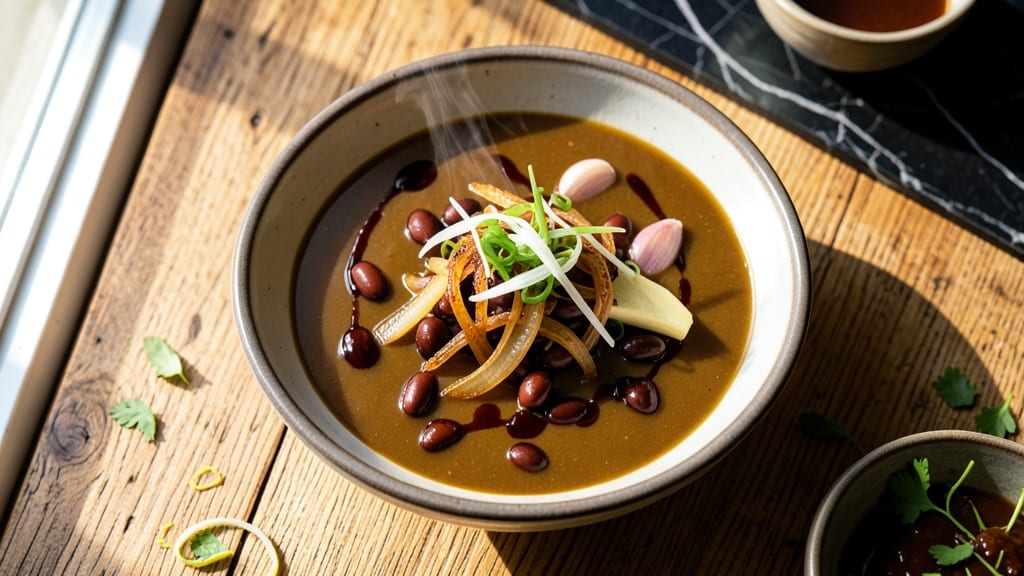
This adzuki bean soup recipe delivers the perfect balance of sweet, savory, and umami in every spoonful—rich with tender beans, aromatic broth, and subtle depth from traditional seasonings.
The secret lies in slow simmering, which transforms simple ingredients into a deeply flavorful, comforting bowl that’s as nourishing as it is delicious. Whether you’re preparing for a cozy weeknight dinner or a special gathering, this one-pot wonder requires minimal effort but maximum flavor.
The beauty of adzuki beans is their natural sweetness, which pairs beautifully with savory elements like soy sauce and ginger. I’ve designed this recipe to be adaptable—use chicken broth for a classic touch or swap to vegetable broth for a vegetarian-friendly version.
The key steps include soaking the beans to reduce cooking time and building layers of flavor through caramelized aromatics and a well-balanced broth. By the time you finish simmering, you’ll have a velvety soup with tender beans, fragrant herbs, and a glossy finish that’s impossible to resist.
The aroma alone will have everyone gathering at the table, and the texture—creamy yet hearty—makes it a standout dish. It’s the kind of soup that feels like a warm hug on a chilly day or a celebratory meal any time of year.
Serve it with steamed rice or crusty bread to soak up every last drop, or store leftovers in the fridge for up to 5 days. The flavors only deepen over time, making it a recipe worth repeating. Let’s get started!
Ingredients for adzuki bean soup
Sweet, savory, and umami-packed—these simple ingredients transform into a velvety soup.
| Ingredient | Amount | Notes |
|---|---|---|
| Adzuki Beans 🌱 | 1 ½ cups | Dried, soaked overnight |
| Vegetable Broth 💧 | 6 cups | Low-sodium preferred |
| Onion 🧅 | 1 whole | Yellow or red, diced |
| Garlic Cloves 🧄 | 4 cloves | Minced, fresh preferred |
| Ginger Root 🌿 | 1 tbsp | Freshly grated |
| Soy Sauce 🍶 | 2 tbsp | Light or dark variety |
| Sesame Oil 🫒 | 1 tbsp | Toasted, for finishing |
| Mirin 🍶 | 2 tbsp | Sweet rice wine |
| Sugar 🍚 | 1 tbsp | White or brown |
| Green Onion 🧅 | 3 whole | Thinly sliced, for garnish |
| Sea Salt 🧂 | 1 tsp | Adjust to taste |
| Black Pepper 🌶️ | ½ tsp | Freshly ground |
| Sesame Seeds 🌰 | 1 tbsp | Toasted, for garnish |
Adzuki beans are the heart of this soup, and soaking them overnight cuts cooking time dramatically. Grab the dried kind from the bulk section at Whole Foods or your local Asian market—Koyo or San Joaquin brands are reliable. Look for plump, uniform beans with no cracks or discoloration. Fresh ginger and garlic make all the difference here—Trader Joe's usually has great prices for both. The broth is where the magic happens, so if you're using store-bought, Pacific Foods or Imagine brands are my go-tos for that deep, clean flavor without the sodium overload.
No mirin? Substitute with 1 tbsp sugar plus 1 tbsp water—it won’t be identical, but close enough. Short on sesame oil? Toasted peanut oil at half the amount works in a pinch. The green onions can be swapped for regular onions if you're out, but the fresh, bright flavor is worth the effort. For extra umami, add 1 tbsp of vegetarian Worcestershire sauce—it’s a game-changer. If you’re using canned beans instead of dried, rinse them well to remove any grittiness. The sugar balances the savory notes perfectly, but feel free to adjust based on your sweetness preference.
This soup tastes even better the next day—flavors meld beautifully after resting overnight. Store leftovers in an airtight container in the fridge for up to 5 days. For freezing, portion into containers and freeze for up to 3 months. Reheat gently on the stove with a splash of water or broth to restore that silky texture. Garnish with sesame seeds and green onions right before serving—they add that fresh pop of color. I like to make a big batch on Sundays so I have soup ready for the week ahead.
Why You'll Love This Recipe
- No-Soaking Needed: I swear by this shortcut—just toss the adzuki beans in broth, simmer, and they soften beautifully. No pre-soaking, no waiting; the broth does all the work while you chop the onion and garlic.
- Umami Bomb Combo: That ginger-garlic-onion base? It’s where the magic happens. The ginger adds warmth, the garlic deepens the flavor, and the beans soak it all up like a sponge—simple spices, but ridiculously satisfying.
- Leftover Goldmine: Make a big batch on Sunday, and you’ve got lunch sorted for the week. The soup only gets better as the flavors meld—my kids actually beg for it by Wednesday, even though I swear it’s the same pot.
- Pantry Staple Power: Between us, this is one of those recipes where you’re not scrambling for obscure ingredients. Vegetable broth, a few cloves of garlic, some ginger—stuff you already have. Budget-friendly and foolproof.
Step-by-step instructions for adzuki bean soup
Here's how to create a rich, comforting adzuki bean soup with perfect balance every time.
Sauté the Aromatics
Heat a large pot over medium heat and add the 1 whole onion that's been diced. Cook for 5-6 minutes until the onions become translucent and just begin to soften at the edges. You'll smell that sweet, caramelizing aroma—this is where the soup builds its depth of flavor.
Add the 4 cloves garlic cloves that you've minced and the 1 tbsp ginger root that's been freshly grated. Cook for another 1-2 minutes until the garlic turns golden and the ginger releases its bright, zesty scent. Be careful not to let the garlic burn—it should be fragrant but not bitter. This aromatic base forms the flavor foundation of your soup.
Simmer the Beans and Broth
Pour in the 6 cups vegetable broth and bring everything to a gentle boil. Add the 1.5 cups adzuki beans that you soaked overnight (they should be plump and tender). Reduce heat to low and let it simmer for 45-50 minutes until the beans are tender but not mushy.
Here's the thing—you want the beans to be fully cooked but still hold their shape. Test them by tasting one or pressing it with a spoon. They should be soft inside with a slight bite. If you notice the soup reduces too much before the beans are done, add a splash of water to maintain the level. Stir occasionally to prevent the beans from sticking to the bottom.
Season and Finish
Add the 2 tbsp soy sauce, 2 tbsp mirin, and 1 tbsp sugar to the simmering soup. Stir well and let it cook for another 5-7 minutes until the flavors meld together. You'll notice the soup takes on a beautiful reddish hue from the soy sauce and mirin, and the sweetness of the mirin and sugar balances the savory notes perfectly.
Season with the 1 tsp sea salt and 0.5 tsp black pepper, adjusting to taste. The salt should enhance all the flavors without making the soup taste salty. Taste as you go—this is where you can adjust the balance between sweet, salty, and umami. The soup should be harmonious with each element complementing the others.
Garnish and Serve
Remove the pot from heat and stir in the 1 tbsp sesame oil. This adds a nutty, aromatic finish that elevates the soup. Ladle the soup into bowls and garnish each serving with the 3 whole green onions that have been thinly sliced and the 1 tbsp sesame seeds that you've toasted.
Serve immediately while the soup is hot. The sesame oil will float on top, adding a beautiful sheen and another layer of flavor with each spoonful. The green onions bring a fresh, bright contrast to the rich, hearty soup. This is the moment when all your efforts come together in a comforting, flavorful bowl of adzuki bean soup.
Pro Tips For Making Adzuki Bean Soup
- SOAK BEANS OVERNIGHT: I learned this the hard way—skipping the soak leaves your beans tough and gummy, no matter how long you simmer. Rinse them first, then let them sit in water for at least 8 hours (or quick-soak in boiling water for 2 hours), and you’ll get that creamy, melt-in-your-mouth texture.
- SAUTÉ AROMATICS LOW: High heat burns garlic and ginger before they release their flavor—start with medium-low and let them dance in the pan for 3-4 minutes until fragrant but not browned. This builds depth without bitterness, and your broth won’t taste like charred regret.
- SKIP THE BOILING BROTH: Adding cold broth to hot beans shocks the pot and makes the soup take forever to heat through. Instead, warm your broth separately, then pour it in while the beans are already simmering—saves 10 minutes and keeps the beans from turning mushy.
- USE GINGER JUICE: Fresh ginger is great, but grating it into a paste and squeezing out the excess liquid (yes, really) keeps your soup from tasting like a muddy swamp. The juice blends smoothly, and you avoid that watery, unbalanced flavor that ruins so many soups.
Serving suggestions for this recipe
Steamed Rice Pairing
This soup is a match made in heaven with steamed jasmine rice—the slightly sticky texture soaks up every last drop of flavor.
I like to use a 1:2 ratio of rice to soup (about 1 cup rice per 2 cups soup), which gives you just enough to balance the hearty beans. For extra richness, cook the rice in vegetable broth instead of water—it adds another layer of savory depth. 🍚
If you're short on time, microwaveable rice pouches (like Tasty Brand or Lundberg Family Farms) are a lifesaver. Just heat them up alongside your soup, and you’ll save 15-20 minutes of cooking. For a more elegant presentation, serve the rice in small bowls alongside the soup for individual scooping.
Crusty Bread Options
A warm baguette or Japanese milk bread is perfect for dipping into the soup. I recommend toasting slices until golden and slightly crispy—this creates a beautiful contrast with the creamy soup. For a quicker option, pre-sliced ciabatta from the bakery section at Trader Joe’s works perfectly. 🥖
For a more substantial pairing, try garlic butter bread—mix 2 tbsp softened butter with 1 minced garlic clove and ½ tsp parsley, then spread on bread before toasting.
This adds another layer of flavor that complements the soup’s umami notes. Keep the bread on the side until serving to prevent sogginess.
Fresh Garnishes
Don’t skip the green onions and sesame seeds—they add freshness and crunch that brightens the soup. For an extra touch, sprinkle thinly sliced shiso leaves (if available) or cilantro for a herbaceous finish.
I also love adding pickled ginger on the side for a tangy contrast that cuts through the richness. 🌿
For a smoky twist, drizzle a few drops of chili oil (like Lao Gan Ma) over each bowl just before serving. It adds a subtle heat and visual appeal that guests will love.
If you’re feeling fancy, top with crispy fried shallots for a crunchy, savory garnish that elevates the dish to restaurant-quality.
Complementary Sides
A simple cucumber salad with rice vinegar dressing cleanses the palate between spoonfuls. Toss 1 cup sliced cucumber with 1 tbsp rice vinegar, ½ tsp sugar, and a pinch of sea salt. The cool, crisp texture balances the warmth of the soup beautifully. 🥒
For a protein boost, serve with pan-seared tofu or grilled shrimp. Toss ½ cup cubed tofu in 1 tbsp soy sauce and 1 tsp cornstarch, then pan-fry until golden.
The crispy exterior contrasts perfectly with the soft beans. If you’re vegetarian, miso-glazed eggplant adds a rich, earthy note that pairs wonderfully.
Nutrition facts
Frequently asked questions
Why do I need to soak adzuki beans before cooking?
Soaking for 8-12 hours reduces cooking time by 30-40 minutes and prevents the beans from becoming mushy. It also removes natural sugars that can make the soup too sweet. Pro tip: Use 3 cups water per 1 cup beans and discard the soaking water—it contains oligosaccharides that can cause digestive discomfort.
Can I use canned adzuki beans instead of dried?
Yes, but adjust the cooking time! Canned beans are pre-cooked, so simmer them for just 10-15 minutes after adding to the broth. Drain and rinse them first to remove excess sodium, then add all other ingredients as directed. The texture will be slightly softer than dried beans, but still delicious.
What's the best way to adjust the sweetness in this soup?
The recipe balances sweetness with mirin and sugar, but you can customize it. For more sweetness, add ½ tsp more sugar or 1 tsp honey at the end. For less sweetness, reduce the mirin to 1 tbsp and add ½ tsp extra soy sauce for deeper umami instead. Taste as you go—this soup is all about harmony!
How can I make this soup thicker or thinner?
For a thicker soup, simmer uncovered for 10 extra minutes to reduce the broth. For a thinner consistency, add ½ cup hot water and stir. If using dried beans, mash 2-3 beans with a spoon at the end for natural thickening. Never add cold water—it shocks the soup and can make the beans tough.
Can I make this soup in an Instant Pot?
Sauté onions, garlic, and ginger as directed, then add all ingredients except sesame oil. Use the high pressure setting for 10 minutes, then quick-release. Finish with the sesame oil and garnishes. The beans will be perfectly tender with minimal effort. For best results, use 1 cup less broth (5 cups total) since pressure cooking reduces liquid faster.