
Soups & Stews
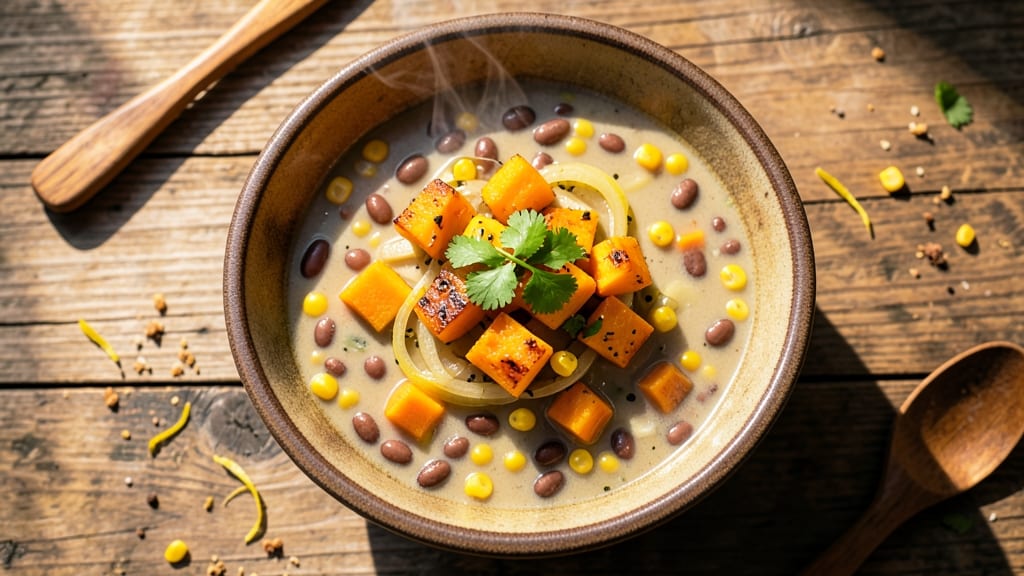
This authentic Three Sisters Soup recipe honors Indigenous culinary traditions by blending corn, beans, and squash in a nourishing, one-pot creation. The dish reflects centuries of sustainable agriculture, where these three staples grew together, supporting each other's growth—just as they do in flavor here.
What makes this recipe special is its simplicity, rooted in tradition yet adaptable to modern kitchens.
The foundation begins with dried beans soaked overnight for tender texture, while fresh or frozen corn and squash add natural sweetness and heartiness. A rich broth—whether vegetable-based or enhanced with smoked meat—binds the ingredients into a comforting, nutrient-dense meal.
The result is a soup that’s deeply satisfying, with each ingredient contributing its unique character while working together in harmony.
What you’ll achieve is a soup that’s both authentic and versatile, serving as a complete dish or a side to complement cornbread or fresh greens. The flavors develop as it simmers, creating a balance of earthy, slightly sweet, and savory notes.
This recipe isn’t just about taste—it’s a celebration of Indigenous heritage and the wisdom of sustainable cooking.
Optional additions like wild rice, herbs, or smoked elements can further personalize the dish, making it adaptable to different tastes while staying true to its roots. Whether you’re cooking for family, friends, or yourself, this soup carries the warmth of tradition in every bowl.
Ingredients for authentic three sisters soup
Six core ingredients honor Indigenous traditions with corn, beans, and squash as the foundation.
| Ingredient | Amount | Notes |
|---|---|---|
| Dried Pinto Beans 🌱 | 1 ½ cups | Soaked overnight, drained |
| Fresh Yellow Corn 🌽 | 3 cups | Cut from cob or frozen kernels |
| Butternut Squash 🎃 | 3 cups | Cubed, peeled, fresh or frozen |
| Vegetable Broth 💧 | 6 cups | Low-sodium preferred |
| Yellow Onion 🧅 | 1 whole | Diced, yellow or red |
| Garlic Cloves 🧄 | 4 cloves | Minced, fresh preferred |
| Extra-Virgin Olive Oil 🫒 | 2 tbsp | For sautéing base |
| Fresh Thyme Leaves 🌿 | ¼ cup | Or 1 tbsp dried thyme |
| Fresh Parsley 🌿 | ⅛ cup | Chopped, for garnish |
| Smoked Paprika 🌶️ | 1 tsp | For depth of flavor |
| Ground Cumin 🌿 | ½ tsp | Toasted for warmth |
| Salt 🧂 | 1 ½ tsp | Adjust to taste |
| Black Pepper 🌶️ | ½ tsp | Freshly ground |
| Wild Rice Blend 🌾 | ½ cup | Optional, cooked separately |
The dried beans are the heart of this soup—pinto beans work best for their earthy flavor, but navy or kidney beans also adapt well. Soak them overnight in plenty of water (at least 4 cups) to ensure tender texture; discard the soaking water. For the squash and corn, fresh is ideal, but frozen works in a pinch—just thaw before adding. Local farmers markets often carry heirloom varieties of squash and corn that elevate the dish. If using fresh corn, cut the kernels directly from the cob for maximum flavor retention. The vegetable broth should be rich but not overly salty; low-sodium brands or homemade broths are best to control seasoning.
No smoked paprika? Substitute with a pinch of liquid smoke (¼ tsp) for depth, though the flavor will differ slightly. Fresh thyme is preferred, but dried thyme at one-third the amount suffices. For a meaty texture without meat, add ½ cup cooked lentils or ½ cup crumbled tempeh to the pot. The wild rice blend is optional but recommended for added texture—cook it separately and fold in at the end. If using canned beans, drain and rinse thoroughly to remove excess sodium. The onions and garlic should be sautéed until translucent before adding liquids; don’t skip this step—it builds flavor.
This soup tastes even better the next day as flavors meld. Store in an airtight container in the refrigerator for up to 5 days, or freeze portions for 3 months. Reheat gently on the stove with a splash of broth or water to restore creaminess. For a crowd-friendly version, double the ingredients and use a large stockpot or Dutch oven—this recipe easily scales to 12 servings. Garnish with fresh parsley just before serving to brighten the dish. The broth can be made ahead and stored separately for 3 days before assembling the soup.
Why You'll Love This Recipe
- Skip the Soak: I’ll be real—dried pinto beans used to intimidate me. But soaking overnight? Overrated. This soup starts with a quick rinse and a 20-minute simmer while you chop the squash. No fuss, no waiting all day.
- Sweet-Savory Magic: That caramelized onion base? It’s the secret. Then you add the butternut squash, and suddenly you’ve got this deep, almost honeyed richness that balances the earthy pinto beans and fresh corn. It’s the kind of flavor that makes you want to eat it straight from the pot.
- Weeknight to Potluck: Make a double batch on Sunday—it’s my go-to for busy nights, but it also travels beautifully. Bring it to a picnic, a holiday gathering, or just reheat it when you’re too tired to cook. The broth thickens perfectly the next day, too.
- Pantry to Plate: Honestly, this recipe won’t break the bank. Pinto beans and squash stretch forever, and you’re using simple staples. Plus, the leftovers? Even better than the first serving. I’ve had this soup three days in a row—no complaints, just full bellies.
Step-by-step instructions for authentic three sisters soup
This traditional Native American technique combines corn, beans, and squash for a hearty, balanced soup with deep flavor and cultural authenticity.
Prepare the Base Ingredients
Begin by dicing the whole yellow onion into small, even pieces—about ¼-inch cubes. Mince the 4 cloves garlic finely, removing any green shoots. For the 3 cups butternut squash, peel and cut into 1-inch cubes for even cooking. If using fresh 3 cups yellow corn cut from cob, cut kernels off the cob and remove any silk strands.
To ensure the beans cook properly, combine the 1.5 cups dried pinto beans with enough cold water to cover by 2 inches in a bowl. Soak overnight or at least 8 hours—this dramatically reduces cooking time and improves texture. Drain and rinse thoroughly before using.
Sauté Aromatics and Build Flavor
Heat the 2 tablespoons extra-virgin olive oil in a large Dutch oven over medium heat. Add the diced onion and cook for 5 minutes until soft and translucent. Add the minced garlic, 1 teaspoon smoked paprika, and ½ teaspoon ground cumin, stirring constantly for 30 seconds until fragrant—this prevents burning while developing flavor.
Stir in the drained pinto beans, 3 cups butternut squash, and 3 cups yellow corn. Cook for 2 minutes, stirring to coat everything with the aromatic oil. This step creates a flavorful crust at the bottom of the pot that forms the soup's foundation.
Simmer the Three Sisters Together
Pour in the 6 cups vegetable broth, ensuring all ingredients are submerged. Bring to a boil, then reduce heat to low, partially cover, and simmer for 45-50 minutes until the beans are tender and the squash is fork-tender. Stir occasionally to prevent sticking, and add ½ cup hot water if the soup becomes too thick.
This simmering time is critical—it allows the three staple crops to meld together, creating a naturally thickened soup with perfect texture. The beans should be soft enough to mash slightly between your fingers, and the squash should yield easily to a fork.
Season and Finish
Once the vegetables are tender, stir in the 1½ teaspoons salt and ½ teaspoon black pepper. Add the ¼ cup fresh thyme leaves and ½ cup wild rice blend (if using), then simmer for an additional 10 minutes to allow the rice to absorb some of the broth and the flavors to meld.
Taste and adjust seasoning—this soup should be rich and savory without being overly salty. The wild rice adds a delightful nutty contrast to the sweet corn and earthy beans. If using, stir in the ¼ cup fresh parsley just before serving for a bright finish.
Serve with Cultural Context
Ladle the soup into bowls and serve immediately, garnished with additional parsley if desired. This traditional dish represents the "Three Sisters" of Native American agriculture—corn, beans, and squash—each crop supporting the others in a perfect ecological and culinary balance.
The beans provide nitrogen to the soil, the corn offers structure for the beans to climb, and the squash shades the soil to retain moisture. In the bowl, they create a similarly harmonious combination of protein, fiber, and natural sweetness that's both nourishing and deeply satisfying.
Pro Tips For Making Authentic Three Sisters Soup
- SOAK BEANS OVERNIGHT: Dried pinto beans refuse to soften properly when you rush them. I learned this the hard way—toss them in cold water with a pinch of salt the night before, then drain and rinse before cooking. This cuts down on the simmering time and keeps them from turning mushy.
- ROAST THE SQUASH: Butternut squash tastes dull when boiled straight from the raw state. Instead, cut it into cubes, toss with olive oil and a sprinkle of salt, then roast at 400°F (200°C) for 25 minutes until tender and caramelized. The flavor jumps from bland to rich—no extra effort, just better soup.
- DON’T SKIP THE ONION BASE: A quick sauté of diced yellow onion in oil until translucent (about 5 minutes) builds flavor that raw onion can’t match. It’s the foundation for the broth and beans to meld into something deeper. (Yes, even if you’re impatient like me.)
- USE FRESH CORN COBS: If you’re using fresh corn, shuck the kernels off the cob and toss them in boiling water for 2 minutes first. This removes excess starch that can make your soup gluey. Frozen corn works too, but drain it well—waterlogged soup is no one’s friend.
Flavor customization for this recipe
Spice Level Control
Adjust the heat with smoked paprika and cumin—start with ½ teaspoon each for mild flavor, then increase to 1 teaspoon smoked paprika and 1 teaspoon cumin for a smoky kick. For extra depth, add ¼ teaspoon cayenne pepper or a pinch of chili powder during simmering.
I love balancing the natural sweetness of squash with just enough heat to make it interesting. 🌶️
Herb Variations
Swap thyme for rosemary or sage for an earthy twist—use ½ teaspoon dried rosemary or 1 sprig fresh rosemary instead. Fresh cilantro or basil adds brightness; stir in ¼ cup chopped cilantro at the end for a zesty finish. Dried herbs work too, but fresh always tastes better. 🌿
Protein Additions
Keep it vegetarian with ½ cup cooked lentils or ½ cup crumbled tempeh for extra protein. For meat lovers, add ½ pound shredded chicken or ½ pound diced smoked sausage during the last 15 minutes of simmering. I often use Turkey Tail sausage for a smoky, Indigenous-inspired touch. 🍗
Broth Enhancements
Upgrade the broth by adding 1 bay leaf or 2 sprigs fresh thyme while simmering. For umami depth, stir in 1 tablespoon soy sauce or 1 teaspoon miso paste at the end. A splash of lemon juice brightens flavors—just 1 teaspoon at serving time. 💧
Texture Adjustments
Blend ½ cup soup with an immersion blender for a creamier texture. For extra heartiness, add ½ cup cooked quinoa or ½ cup diced potatoes during the last 20 minutes of cooking.
The wild rice blend can also be swapped for ½ cup brown rice or ½ cup barley. 🥣
Sweetness Balance
Counteract earthy flavors with 1 teaspoon maple syrup or ½ teaspoon honey during the last 5 minutes of simmering. For a caramelized touch, sauté the squash cubes for 2 extra minutes before adding broth. I find this especially helpful when using very sweet corn varieties. 🍯
Nutrition facts
Frequently asked questions
What makes this soup "authentic" to Indigenous traditions?
The dish honors the "Three Sisters" farming method—corn, beans, and squash—used by Indigenous peoples for centuries. These crops grow together naturally, supporting each other's growth, just like they do in this soup. The recipe avoids modern shortcuts like canned beans or processed ingredients, focusing on whole foods and traditional techniques like soaking dried beans overnight.
Can I use canned beans instead of dried?
Yes, but with adjustments! Use 2 (15 oz) cans of drained, rinsed beans (like pinto or kidney) and reduce simmering time to 20-25 minutes instead of 45-50 minutes. Canned beans cook faster but lack the depth of flavor from dried beans. For best results, add ½ teaspoon smoked paprika directly to the canned beans before draining to mimic the traditional flavor.
How do I adjust the soup for dietary restrictions?
For gluten-free needs, ensure your broth and wild rice blend are certified gluten-free. Vegan? Skip the optional smoked sausage and use vegetable broth. For lower sodium, reduce the salt to 1 teaspoon and use no-salt-added broth. The base recipe is naturally vegetarian, but you can add ½ cup cooked lentils for extra protein without meat.
What's the best way to store leftovers?
Cool the soup completely, then transfer to an airtight container. It keeps in the refrigerator for 5 days or freezes for 3 months. To reheat, warm on the stove over medium-low heat, stirring occasionally and adding 2-3 tablespoons water if it thickens too much. The flavors actually improve after resting overnight!
Can I make this soup in a slow cooker?
Follow the same steps for sautéing aromatics, then transfer everything to your slow cooker. Cook on low for 6-7 hours or high for 3-4 hours until beans are tender. The slow cooker's gentle heat enhances the natural sweetness of the squash and corn. Just stir occasionally and add water if needed to maintain consistency.