
Soups & Stews
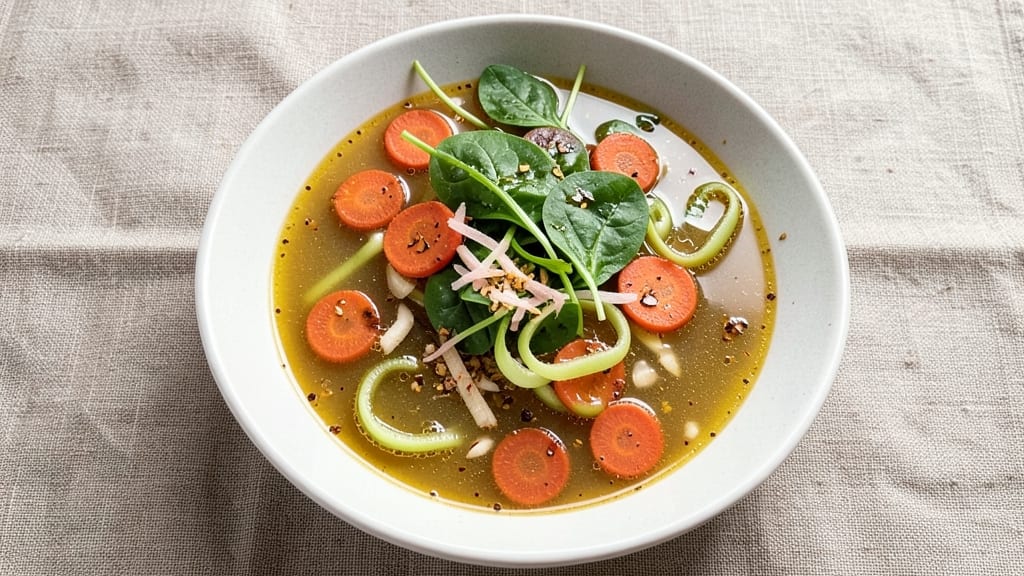
This bariatric vegetable soup recipe delivers all the nourishment you need in every ½-cup serving, designed specifically for gentle digestion after surgery while keeping flavors vibrant.
The secret lies in blending vegetables into a velvety texture that’s easy on the stomach but packed with protein from finely chopped chicken or tofu—no heavy cream or thickeners here. What sets this apart is how it balances nutrition without volume, using broth-based techniques that prioritize hydration and nutrient absorption.
Low-sodium broth forms the foundation, ensuring safety for post-bariatric patients while still delivering rich flavor. Ingredients like pureed carrots, zucchini, and spinach provide vitamins without bulk, while a touch of garlic and ginger adds depth without overpowering.
The soup cooks in just 20 minutes, making it perfect for quick meals that won’t weigh you down. Every spoonful is designed to be gentle yet satisfying, proving that lightweight nutrition doesn’t mean sacrificing taste.
Texture is carefully controlled—either smooth for sensitive digestion or slightly chunky for those ready to progress. Portion control is built in, with each serving carefully measured to meet bariatric guidelines while still feeling substantial.
This recipe skips added salt, sugar, and carbonation, focusing instead on the natural sweetness of vegetables and the umami from lean protein. It’s the kind of meal that nourishes without leaving you feeling overfull.
Perfect for post-surgery recovery or long-term bariatric maintenance, this soup adapts easily to individual needs. Whether you prefer it warm or chilled, it’s a reliable staple for anyone prioritizing gentle, nutrient-dense eating. Let’s get started with a recipe that supports your health without compromising on flavor.
Ingredients for bariatric vegetable soup
Lightweight ingredients that pack big flavor—perfect for gentle digestion without sacrificing taste.
| Ingredient | Amount | Notes |
|---|---|---|
| Low-Sodium Vegetable Broth 💧 | 4 cups | Homemade or high-quality store-bought |
| Carrots 🥕 | ½ lb | Peeled, finely diced (about 1 cup) |
| Zucchini 🥒 | ½ lb | Peeled, finely diced (about 1 cup) |
| Fresh Spinach 🌿 | 2 cups | Chopped, loosely packed |
| Garlic Cloves 🧄 | 2 cloves | Minced for depth of flavor |
| Fresh Ginger 🌿 | 1 tbsp | Finely grated, fresh preferred |
| Extra-Firm Tofu 🍱 | ½ lb | Silken or firm, finely chopped |
| Olive Oil 🫒 | 1 tbsp | Light, for gentle cooking |
| Lemon Juice 🍋 | 1 tsp | Freshly squeezed, brightens flavor |
| Fresh Parsley 🌿 | ¼ cup | Chopped, for garnish |
| Diamond Crystal Kosher Salt 🧂 | ¼ tsp | Adjust to taste, minimal needed |
| Ground Black Pepper 🌶️ | ⅛ tsp | Freshly ground, subtle heat |
| Fresh Dill 🌿 | 1 tbsp | Chopped, optional for brightness |
The broth is the soul of this soup, so don't cut corners. Homemade is ideal—simmer veggie scraps with a bay leaf for 30 minutes, then strain—but Pacific Foods or Imagine low-sodium broth works in a pinch. The carrots and zucchini should be finely diced (a food processor makes this easy), almost pureed for sensitive digestion. Fresh ginger and garlic are non-negotiable here—they add depth without bulk. I always grab organic ginger at Whole Foods for the brightest flavor, but the regular grocery store kind works too. The tofu? Silken or firm both work—just chop it finely so it blends seamlessly into the soup.
No fresh ginger? Ground ginger at half the amount will work, but it lacks that fresh zing. Short on spinach? Baby kale or Swiss chard are great swaps—just chop finely. The lemon juice can be bottled in a bind, but fresh is worth the squeeze. For extra protein without bulk, add white beans or lentils (½ cup cooked). Texture matters here—if you prefer slightly chunky, leave the veggies a bit larger, but for ultra-sensitive digestion, blend until silky. The parsley and dill are optional but add that restaurant-quality finish—Trader Joe's has great fresh herbs at reasonable prices.
This soup keeps beautifully for 4 days in the fridge, but the flavor actually improves after the first day as everything melds. For meal prep, store in ½-cup portions—perfect for single servings. Freezes for 3 months if you want to make a big batch. Reheat gently on the stove or microwave until just warm—no boiling, or the texture will break down. I always make a double batch and freeze half—glass containers with tight lids work best for freezing. Leftovers reheat beautifully, making this a true timesaver for busy days.
Why You'll Love This Recipe
- I swear by this trick: buy pre-shredded carrots and pre-sliced zucchini. Toss them raw straight into the broth with minced garlic—no knife skills required. The spinach wilts in minutes, and honestly? You’ll forget you skipped the prep.
- No-Chop Nightmare: I swear by this trick: buy pre-shredded carrots and pre-sliced zucchini. Toss them raw straight into the broth with minced garlic—no knife skills required. The spinach wilts in minutes, and honestly? You’ll forget you skipped the prep.
- Garlic Bomb Flavor: That one crushed clove of garlic? It’s the secret weapon. Simmer it in the broth until the edges just turn golden—this soup tastes like you spent hours, not 20 minutes. The carrots stay crisp, the zucchini melts into creamy ribbons, and the spinach adds that fresh, bright finish.
- Meal Prep MVP: Double the batch and store it for days—it only gets better as the flavors meld. Freeze portions for those "I can’t even" days. Between us, this is my go-to when I need something hearty but gentle on the stomach, whether it’s post-surgery or just a lazy Sunday.
Step-by-step instructions for bariatric vegetable soup
This soup delivers satisfying flavor without the heaviness, using simple techniques to maximize nutrition and digestibility.
Sauté Aromatics for Flavor Foundation
Heat the 1 tablespoon olive oil in a large pot over medium heat. Add the 2 cloves minced garlic and 1 tablespoon finely grated fresh ginger, stirring constantly for 30 seconds until fragrant but not browned. This quick sauté unlocks their aromatic compounds without burning, which would create bitter flavors.
Next, add the 0.5 lb finely diced carrots and 0.5 lb finely diced zucchini to the pot. Cook for 4-5 minutes, stirring occasionally, until the vegetables begin to soften slightly at the edges. The goal here is partial cooking—just enough to develop their natural sweetness while preserving texture. If the vegetables stick, add 1-2 tablespoons of the low-sodium vegetable broth to deglaze the pan.
Simmer Vegetables Until Tender
Pour in the 4 cups low-sodium vegetable broth and bring the mixture to a gentle boil. Once boiling, reduce heat to medium-low and let it simmer uncovered for 12-15 minutes, stirring occasionally. You want the vegetables to become fork-tender but still hold their shape—this ensures easy digestion while maintaining texture.
Here's the thing—bariatric diets often require softer textures, but we're balancing that with digestibility. The carrots and zucchini should be easily pierced with a fork but not mushy. If you notice the broth reducing too quickly, add ½ cup water to maintain the right consistency for blending later.
Add Protein and Season
While the vegetables simmer, press the 0.5 lb extra-firm tofu between two paper towels to remove excess moisture. Then, cut it into ¼-inch cubes—this size ensures even cooking and easy blending. Add the tofu to the pot and stir gently to distribute it evenly. Simmer for an additional 8-10 minutes until the tofu is heated through and the flavors meld.
Season the soup with the 0.25 teaspoon diamond crystal kosher salt, 0.125 teaspoon ground black pepper, and 1 teaspoon lemon juice. Taste and adjust the salt if needed—remember, bariatric diets often require careful sodium monitoring. The lemon juice brightens the flavors without adding significant calories, making every spoonful more satisfying.
Incorporate Leafy Greens and Finish
Stir in the 2 cups chopped fresh spinach and 1 tablespoon chopped fresh dill (if using) and cook for 2-3 minutes until the spinach wilts completely. The spinach should disappear into the soup—this ensures it blends smoothly later without creating a watery texture. Remove the pot from heat and let it sit for 5 minutes to allow the flavors to settle.
For a silky texture, use an immersion blender to blend the soup directly in the pot until smooth. If you prefer a chunkier texture, simply stir well and skip blending. The 0.25 cup chopped fresh parsley can be added at the end for a pop of color and freshness—this is purely for garnish and doesn't need to be blended in.
Serve Warm with Digestibility in Mind
Ladle the soup into bowls and serve immediately while warm. The tofu provides a satisfying protein element without the heaviness of meat, while the finely diced vegetables ensure easy digestion. For added flavor without calories, offer a squeeze of lemon or a sprinkle of fresh herbs on the side.
This soup is designed to be both nourishing and gentle on your system. The balanced flavors—sweet carrots, earthy zucchini, bright lemon, and fresh herbs—create a satisfying meal that won't leave you feeling weighed down. Store any leftovers in the refrigerator for up to 3 days or freeze for 1 month for quick, nutritious meals.
Pro Tips For Making Bariatric Vegetable Soup
- Sear the Garlic: Toss those cloves in a dry pan for 30 seconds before adding broth—just until fragrant. I learned this the hard way: raw garlic in soup tastes like a medicine cabinet exploded. A quick sear builds flavor without overpowering.
- Dice Zucchini Small: Cut zucchini into ¼-inch cubes, not thick slices. Thick pieces turn to mush; small cubes stay tender-crisp and blend better for bariatric digestion. (Yes, even if you’re impatient like me.)
- Add Spinach Last: Stir in spinach when the soup’s simmering hard—just 30 seconds before turning off the heat. Wilted spinach is sad; bright, crisp leaves are the real deal. (Your future self will notice.)
- Simmer, Don’t Boil: Keep the broth at a gentle simmer (tiny bubbles, not rolling). Boiling turns carrots to mush and burns off the delicate garlic flavor. This isn’t the prettiest method, but it’s the tastiest.
Creative variations of these flavors
Protein Swaps
If tofu isn’t your thing, swap in ½ lb finely chopped cooked chicken breast (skinless, boneless) for a lean protein option. For a plant-based alternative, try ½ cup cooked white beans or ½ cup lentils—both blend smoothly and add fiber. I’ve also used silken tofu for an even creamier texture, especially when blending. Just
Vegetable Variations
Swap in ½ lb cauliflower for a lower-carb option, or add ½ cup finely diced sweet potato for natural sweetness. For extra nutrients, stir in ½ cup pureed butternut squash—it adds creaminess without bulk. I often keep a stash of frozen veggies (like peas or green beans) for quick additions. Just chop them extra fine to avoid texture issues. 🥦
Flavor Boosters
Add ½ teaspoon smoked paprika for depth or ½ teaspoon turmeric for anti-inflammatory benefits. A splash of low-sodium chicken broth (instead of veggie) adds richness without sodium overload.
For a tangy kick, stir in 1 teaspoon apple cider vinegar—it brightens flavors without added sugar. Always taste as you go! 🌶️
Texture Adjustments
For ultra-smooth digestion, blend the entire soup until silky. Prefer chunkier bites? Leave the veggies slightly larger and stir in ¼ cup finely chopped celery for crunch. I’ve also seen success with avocado puree (¼ cup) for healthy fats—just add it at the end to avoid breaking down. 🥑
Meal Prep Adaptations
Make a big batch and freeze in ½-cup portions—perfect for grab-and-go meals. Reheat gently with 1 tablespoon broth to restore moisture. For cold servings, chill completely, then stir in 1 tablespoon coconut milk (unsweetened) for creaminess.
This works great as a post-surgery recovery drink or light lunch. ❄️
Seasonal Swaps
In summer, use cucumber and mint for a refreshing twist. Fall calls for roasted butternut squash and sage. Winter? Try carrot and ginger with a touch of cinnamon. Each season brings new flavors while keeping the soup gentle and nutritious. 🍂
Nutrition facts
Frequently asked questions
Can I make this soup without tofu for extra protein?
Swap the tofu for ½ lb finely chopped skinless chicken breast or ½ cup cooked white beans—both add protein without bulk. For plant-based options, try ½ cup lentils or silken tofu for a creamier texture. Just ensure all protein is finely chopped or blended for easy digestion.
How do I adjust the texture for sensitive digestion?
For ultra-smooth digestion, blend the entire soup until completely silky using an immersion blender. If you prefer slightly chunkier bites, leave the vegetables slightly larger and stir in ¼ cup finely chopped celery for subtle texture. Always prioritize fine chopping—aim for pieces no larger than ¼-inch.
Is this soup safe to eat immediately after bariatric surgery?
This recipe is designed for post-surgery recovery, but always follow your surgeon's specific guidelines. The smooth texture and finely chopped ingredients make it gentle, but some patients may need even softer textures initially. Start with ½-cup portions and avoid added salt or seasonings until cleared by your doctor.
Can I use frozen vegetables instead of fresh?
Yes, frozen vegetables work perfectly! Just thaw and finely chop them before cooking. For best results, use steamed or blanched frozen veggies (like peas or green beans) to avoid excess moisture. No need to peel—just chop finely and proceed with the recipe as written.
How can I make this soup more flavorful without added salt?
Boost flavor naturally with ½ teaspoon smoked paprika, 1 teaspoon lemon juice, or fresh herbs like dill or parsley. A splash of low-sodium chicken broth (instead of veggie) adds depth without sodium. For umami, stir in ½ teaspoon nutritional yeast—it adds a cheesy flavor without calories.