
Soups & Stews
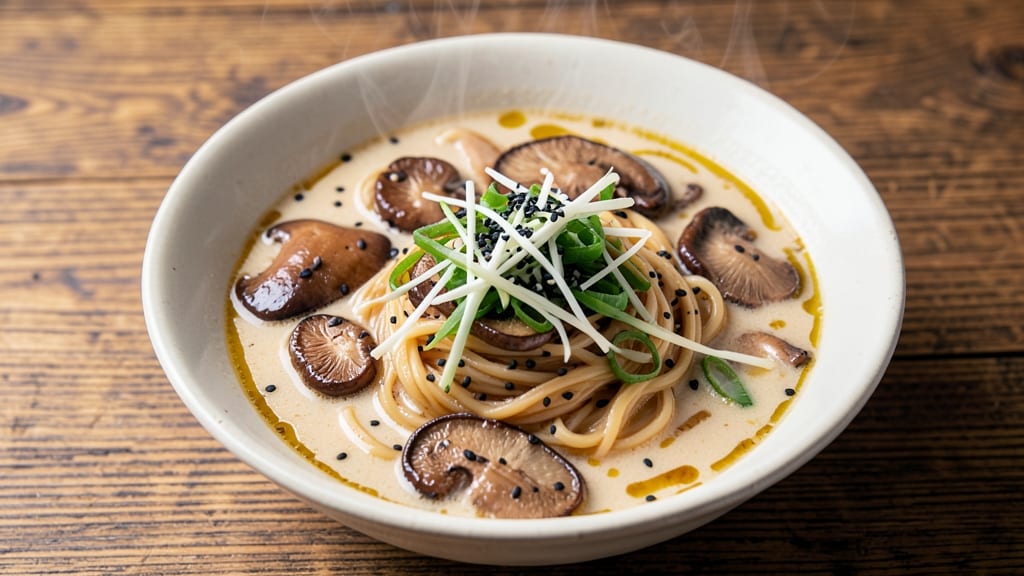
This bean paste soup recipe transforms humble ingredients into a deeply satisfying bowl of umami-rich comfort. The secret lies in slow-simmered bean paste—a thick, fermented spread that dissolves into the broth, creating layers of savory depth that linger long after the last spoonful.
I first discovered its magic while exploring East Asian comfort food traditions, where this soup is both nourishing and deeply flavorful.
The beauty of this recipe is its versatility—start with a simple broth base, then build complexity through the bean paste, which adds a silky, almost caramelized richness without overpowering.
Whether you use traditional miso bean paste or a fermented soybean spread like douganjiang, the result is a soup that balances hearty textures with delicate flavors.
The addition of silky noodles (udon or ramen) makes it a complete meal, while optional proteins like tofu, chicken, or mushrooms add customizable depth.
What makes this soup truly special is how it evolves as it simmers. The bean paste mellows into the broth, creating a velvety consistency that coats every noodle and ingredient.
Topped with scallions, sesame seeds, or a drizzle of chili oil, it becomes a restaurant-quality dish that’s surprisingly simple to recreate at home. The aroma alone—warm, earthy, and inviting—will have everyone gathered around the table.
Perfect for chilly evenings or as a post-dinner treat, this soup adapts effortlessly to modern tastes. Try adding a dash of gochujang for heat, a splash of soy sauce for extra umami, or fresh herbs for brightness.
The key is patience—let the flavors meld, and you’ll have a bowl of soup that feels like a hug in every sip.
Ingredients for bean paste soup
Silky noodles, fermented depth, and aromatic broth create this restaurant-quality bean paste soup.
| Ingredient | Amount | Notes |
|---|---|---|
| Miso Bean Paste 🍶 | ½ cup | Traditional miso or fermented douganjiang |
| Dried Udon Noodles 🍜 | 8 oz | Silky texture preferred |
| Dashi Broth 💧 | 4 cups | Homemade or quality store-bought |
| Fresh Shiitake Mushrooms 🍄 | 4 whole | Stems removed, sliced |
| Green Onions 🧅 | 3 whole | White and green parts separated |
| Sesame Seeds 🌰 | 1 tbsp | Toasted for extra flavor |
| Fresh Ginger Root 🌿 | 1 inch | Peeled, julienned |
| Garlic Cloves 🧄 | 3 cloves | Minced for aromatic depth |
| Tofu 🧀 | 8 oz | Firm, cubed and pressed |
| Soy Sauce 🍶 | 2 tbsp | For umami balance |
| Rice Vinegar 🍶 | 1 tbsp | For brightness |
| Vegetable Oil 🫒 | 1 tbsp | For sautéing |
| Salt 🧂 | 1 tsp | Diamond Crystal preferred |
| White Pepper 🌶️ | ½ tsp | Freshly ground |
The bean paste is the heart of this soup—miso or douganjiang delivers that signature umami richness. For authentic flavor, Asian grocery stores carry excellent options like Lee Kum Kee or Shin Ramyun bean pastes, but miso works beautifully too. Fresh ginger and garlic are non-negotiable; organic ginger from the produce section has the most punch. If you can't find douganjiang, miso paste with a splash of soy sauce mimics its depth. The udon noodles should be silkier than wheat-based ramen—Koyo or Maruchan brands excel here.
No fresh shiitake? Dried shiitake rehydrated works perfectly—just soak in warm water for 20 minutes. Substituting tofu for chicken? Press it first to remove excess water. The white parts of green onions add subtle sweetness, while the greens provide freshness at the end. For extra depth, toasted sesame oil can replace regular vegetable oil during sautéing. If your bean paste is too salty, balance it with a splash of rice vinegar—it brightens the entire bowl without overpowering.
This soup tastes even better the next day as flavors meld. Store in an airtight container for 3-4 days in the fridge, or freeze portions for 2 months. I like to prep the bean paste mixture ahead and refrigerate it separately—just reheat with fresh noodles and broth when ready to serve. For meal prep, portion the noodles and broth separately to maintain texture. The tofu and mushrooms can be pre-cooked and stored in the fridge for 2 days before adding to the soup.
Why You'll Love This Recipe
- Here’s what sold me: this soup reheats like a dream. Pack it cold for work, or warm it up in 90 seconds—still chewy noodles, still packed with flavor. My kids actually eat their lunch now. (Yes, even on a Tuesday night.)
- Five-Ingredient Magic: I swear by this one—just the miso bean paste, udon, dashi, mushrooms, and green onions. No chopping, no fuss, and it still tastes like I slaved over it. (Between us, that’s half the battle.)
- Umami Bomb: That miso bean paste? It’s the star—deep, savory, and slightly sweet without trying. The shiitake mushrooms soak it up like a sponge, giving every bite that rich, earthy punch that makes me reach for seconds.
- Lunchbox Hero: Here’s what sold me: this soup reheats like a dream. Pack it cold for work, or warm it up in 90 seconds—still chewy noodles, still packed with flavor. My kids actually eat their lunch now. (Yes, even on a Tuesday night.)
Step-by-step instructions for bean paste soup with silky noodles
This method delivers restaurant-quality depth where every spoonful balances umami richness with delicate silky noodles.
Prepare the Umami Base
Heat the 1 tablespoon vegetable oil in a large pot over medium heat. Add the 3 cloves minced garlic cloves and 1 inch julienned fresh ginger root, cooking for 1 minute until fragrant but not browned. This aromatic foundation prevents overpowering the bean paste's complexity.
Reduce heat to low and gradually whisk in the 0.5 cup miso bean paste, breaking up any clumps. Add 2 tablespoons soy sauce and 1 tablespoon rice vinegar, stirring constantly for 2 minutes until fully incorporated. The mixture should thicken slightly but remain smooth—this is your flavor matrix. Keep heat gentle to avoid cooking out the paste's delicate fermented notes.
Build Layers of Flavor
Pour in the 4 cups dashi broth and bring to a gentle simmer over medium-low heat. Add the 8 oz cubed tofu and 4 whole sliced fresh shiitake mushrooms, stirring once to distribute. Simmer uncovered for 8-10 minutes until mushrooms soften and tofu absorbs some broth. The broth should reduce slightly but maintain enough volume to coat the noodles later.
Season with 1 teaspoon salt and 0.5 teaspoon white pepper, adjusting to taste. Taste the broth now—it should be deeply savory with bright acidity. If the flavor feels flat, add an extra ½ teaspoon soy sauce or ¼ teaspoon miso bean paste for complexity. This is your quality checkpoint before adding delicate components.
Cook the Noodles to Perfection
In a separate pot, bring 4 cups fresh water to a rolling boil. Add the 8 oz dried udon noodles and cook according to package directions (typically 4-5 minutes) until al dente—the noodles should have a slight bite but be fully tender. Drain immediately and rinse briefly under cold water to stop cooking and remove excess starch.
Add the cooked noodles to the simmering soup broth, stirring gently to distribute. The noodles should float just below the surface with ½ inch of broth above them. Return to a gentle simmer for 2-3 minutes—just enough to warm through without breaking the noodles. Overcooking here turns them mushy.
Finish with Fresh Elements
Remove the pot from heat and let sit for 1 minute to allow flavors to meld. Stir in the 1 tablespoon toasted sesame seeds and 3 whole separated green onions (white and green parts). The sesame adds nutty depth while the onions provide fresh contrast. Taste again—each bowl should deliver layered umami with bright, silky texture.
Serve immediately with additional green onions and sesame seeds sprinkled on top. The soup's richness pairs beautifully with steamed greens or pickled vegetables to balance the meal. For extra depth, reserve some broth to make udon soup dumplings later—this technique maximizes every ingredient.
Pro Tips For Making Bean Paste Soup
- STIR PASTE FAST: Dissolve the miso bean paste in a splash of hot dashi broth first—about ¼ cup—before adding it to the pot. This prevents clumping and ensures that rich, nutty flavor melts smoothly into the broth instead of sinking to the bottom like a gluey lump.
- SOAK UDON RIGHT: Fill a bowl with cold water and soak your udon noodles for exactly 3 minutes—no more, no less. Over-soaking turns them mushy, and under-soaking leaves them chewy. Drain and rinse briefly with cold water to stop cooking before adding them to the soup.
- SLICE MUSHROOMS THIN: Cut the shiitake caps into ¼-inch slices—thin enough to cook in 2-3 minutes but thick enough to hold shape. Thick slices stay tough, while paper-thin ones disappear into the broth. A sharp knife makes this easier, and don’t forget to wipe the stems clean first.
- SALT THE BROTH LAST: Hold off on extra salt until the udon is cooked and the soup is simmering. The miso paste and dashi already pack flavor, and adding salt too early can make the broth taste flat or overly salty by the end. Taste and adjust with just a pinch of salt or a splash of water if needed.
Make-ahead tips for this recipe
Broth Prep Ahead
Make your dashi broth the night before—it deepens in flavor as it sits. Simmer 4 cups of homemade dashi (or store-bought) with 1 tsp soy sauce and ½ tsp white pepper for 10 minutes, then refrigerate.
The next day, reheat it gently over low heat until steaming, then whisk in the bean paste mixture. This pre-flavoring step creates a richer base without overcooking. 💧
Bean Paste Mixture
Prepare the bean paste mixture separately and store it in an airtight container in the fridge for up to 3 days. Whisk together ½ cup miso bean paste, 2 tbsp soy sauce, and 1 tbsp rice vinegar until smooth.
When ready to use, simply warm it with the broth—no need to reheat the entire soup. This keeps your noodles fresh and prevents sogginess. ✨
Protein Pre-Cooking
Cook the tofu and shiitake mushrooms ahead of time and store them in the fridge for 2 days. Press the tofu for 30 minutes before cubing, then pan-fry in 1 tbsp vegetable oil until golden.
Slice the mushrooms and sauté them separately. Reheat both gently in the soup broth when serving—this maintains their texture and prevents a watery consistency. 🍄
Noodle Prep
Cook the udon noodles just before serving to keep them silky. However, you can partially prep them by boiling them 1 minute less than package instructions, draining, and rinsing with cold water. Store them in an airtight container with a damp paper towel to prevent drying.
When ready, finish cooking them in the hot broth for 2-3 minutes—this ensures they absorb flavor without turning mushy. 🍜
Freezer-Friendly Packaging
For longer storage, freeze the soup in quart-sized portions with noodles and broth separated. Place each component in a freezer bag, squeeze out excess air, and label with the date. Thaw overnight in the fridge, then reheat the broth and noodles separately.
Add fresh green onions and sesame seeds after reheating to preserve their freshness. This method keeps the texture intact for up to 2 months. ❄️
Batch Flavor Boosters
Double the bean paste mixture and freeze it in ice cube trays for easy portioning. Each cube equals ¼ cup of pre-measured paste—just pop one into your broth when reheating.
You can also make a batch of umami broth cubes by freezing reduced broth in trays. These shortcuts save time while maintaining authentic flavor in every bowl. 💡
Nutrition facts
Frequently asked questions
What's the difference between miso bean paste and douganjiang?
Miso bean paste is a Japanese fermented soybean spread with a milder, sweeter profile, while douganjiang (Chinese fermented soybean paste) is bolder, saltier, and more complex. For this recipe, douganjiang delivers deeper umami, but miso works beautifully if you prefer a gentler flavor. Try blending both for a fusion twist!
Can I make this soup vegetarian or vegan?
Skip the tofu and use vegan dashi (made with kombu and shiitake) instead of fish-based broth. For extra protein, add brown rice or lentils. Miso bean paste is naturally vegan, but check labels—some douganjiang contains fish sauce.
Why does my bean paste soup taste too salty?
Fermented bean pastes are naturally salty! Balance it by adding 1 tbsp rice vinegar or ½ cup extra broth to dilute. For a brighter flavor, stir in 1 tsp grated ginger or 1 tbsp fresh lemon juice—the acidity cuts through the saltiness beautifully.
How do I fix mushy noodles in my soup?
Mushy noodles happen when overcooked or reheated too long. For next time, cook udon 1 minute less than package instructions, then finish in the hot broth for just 2-3 minutes. If already mushy, drain and stir with 1 tsp cornstarch + 1 tbsp cold water to restore texture.
What other proteins work well in this soup?
Try shredded chicken, sliced pork belly, or seared scallops for luxury. For vegetarian options, use extra-firm tofu pressed for 30 minutes or king oyster mushrooms (they hold their shape!). Cook proteins separately and add them to the broth just before serving to keep them tender.