
Soups & Stews
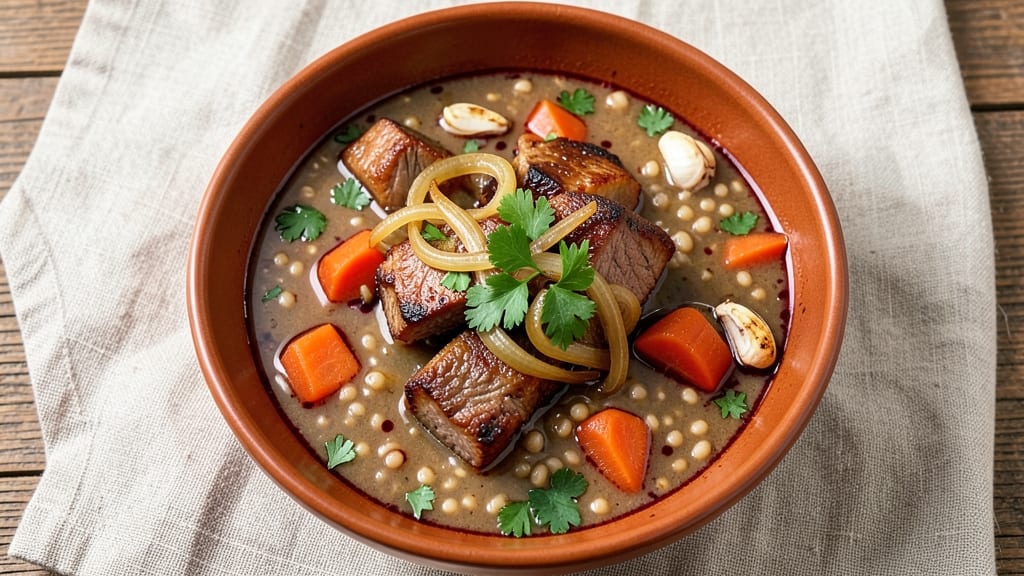
This beef barley soup recipe without tomatoes delivers the ultimate winter comfort—rich, savory, and packed with nutty barley and tender beef. The secret lies in slow simmering, which transforms tough cuts into melt-in-your-mouth perfection while developing deep, umami flavors.
I’ve perfected this version to focus on the classic combination of beef, barley, and aromatic vegetables without relying on tomatoes, letting the natural sweetness of carrots and onions shine.
The beauty of this soup is in its simplicity: just a handful of ingredients, but each plays a crucial role. Browned beef adds depth, barley provides chewy texture, and a splash of red wine enhances complexity.
The slow simmer—at least 2 hours—allows the flavors to meld into a harmonious broth that’s both hearty and comforting. No shortcuts here, just time-honored techniques that yield restaurant-quality results.
What you’ll end up with is a steaming bowl of hearty, nutty, and deeply satisfying soup that warms you from the inside out. The barley softens just enough to be tender, while the beef becomes fork-tender, and the vegetables retain their natural sweetness.
Every spoonful is a reminder of why this dish has been a staple for generations—simple, nourishing, and impossible to resist.
Perfect for chilly evenings, meal prep, or feeding a crowd, this soup keeps well for days, making it an ideal make-ahead dish. The flavors only deepen with time, so it’s even better the next day. Let’s get cooking—your taste buds (and your soul) will thank you.
Ingredients for beef barley soup recipe without tomatoes
Just twelve ingredients transform into the ultimate winter comfort—rich, nutty, and deeply satisfying beef barley soup.
| Ingredient | Amount | Notes |
|---|---|---|
| Beef Chuck Roast 🥩 | 2 lb | Cut into 1-inch cubes, trimmed of fat |
| Yellow Onion 🧅 | 1 whole | Medium size, chopped |
| Carrots 🥕 | 4 medium | Peeled, cut into 1-inch chunks |
| Pearl Barley 🌾 | 1 cup | Uncooked, rinsed well |
| Garlic Cloves 🧄 | 4 cloves | Peeled, smashed |
| Dry Red Wine 🍷 | ½ cup | Bold variety like Cabernet |
| Beef Broth 💧 | 6 cups | Low-sodium preferred |
| Fresh Thyme 🌿 | 2 sprigs | Stems removed |
| Fresh Parsley 🌿 | ¼ cup | Chopped, for garnish |
| Olive Oil 🫒 | 2 tbsp | Extra-virgin for richness |
| Salt 🧂 | 1 ½ tsp | Diamond Crystal preferred |
| Black Pepper 🌶️ | ½ tsp | Freshly ground |
| Bay Leaves 🍃 | 2 whole | Removed before serving |
The beef is where the magic starts. Chuck roast gives you that melt-in-your-mouth texture—sirloin or ribeye just won’t cut it. Grab the pre-cubed version from Costco or Walmart to save time, but trim any visible fat. The barley? Pearl barley is the classic choice—it holds its shape better than other varieties. For the wine, anything bold and dry works—Cabernet Sauvignon or Merlot from your local liquor store will do. If you’re feeling fancy, Trader Joe’s has great affordable options.
No red wine? Substitute with beef broth plus 1 tbsp balsamic vinegar—it’ll still add depth. Fresh thyme is ideal, but dried works at half the amount. The carrots can be baby carrots if that’s what you’ve got—just peel them first. For the broth, low-sodium is key—you’ll be adding plenty of salt later. The bay leaves might seem small, but they’re the secret to that restaurant-quality aroma. Skip them? You’ll miss that subtle herbal note that ties everything together.
This soup tastes even better the next day—3-4 days in the fridge, no problem. Freezes beautifully for up to 3 months, so make a double batch. I always portion mine into containers with a layer of broth on top—keeps it from drying out. The barley softens more over time, so if you’re reheating, add a splash of water or broth to loosen it up. Garnish with fresh parsley right before serving—it brightens up the whole dish.
Why You'll Love This Recipe
- Slow-Simmer Magic: I swear by the overnight braise—just toss in the chuck roast with onions and garlic, then let the slow cooker or Dutch oven do the work. By morning (or after 6 hours), the beef practically melts off the bone, and the barley soaks up all that rich, caramelized flavor. No babysitting required.
- Garlic-Carrot Crunch: Here’s what sold me—the way the carrots stay tender-crisp while the barley turns pillowy, all wrapped in that deep, toasty garlic aroma. Honestly, I’ll take this over any canned soup when I want that bright, almost sweet bite from the veggies cutting through the beef’s richness.
- Weeknight to Potluck: Between us, this soup is my secret weapon for anything—dump it into a thermos for lunch, serve it at a holiday gathering (no one will guess it’s tomato-free), or freeze half for when you’re too tired to cook. Pearl barley’s the MVP here; it thickens just enough to feel hearty but still light.
- Budget-Friendly Feast: A single chuck roast feeds my family for days—I’ll make this twice in a row if I’m pinching pennies. The barley stretches it into a full meal, and the onions/garlic/carrots are cheap staples that never go to waste. Plus, leftovers taste even better the next day, which is basically free money.
Step-by-step instructions for beef barley soup without tomatoes
This hearty soup delivers deep, nutty flavor and tender beef—perfect for chilly days.
Sear the Beef for Rich Depth
Heat the 2 tablespoons olive oil in a large Dutch oven over medium-high heat. Working in batches if needed, add the 2 lb beef chuck roast cut into 1-inch cubes, letting them brown undisturbed for 3-4 minutes until deeply caramelized on all sides. This step develops the Maillard reaction, creating layers of flavor that will infuse the broth.
Once browned, transfer the beef to a plate and set aside. In the same pot, add the 1 whole yellow onion and 4 medium carrots cut into 1-inch chunks, cooking for 5-6 minutes until softened and slightly golden. You want the vegetables to develop their own caramelization before adding liquid—they'll contribute sweetness that balances the savory beef.
Build Flavor with Wine and Aromatics
Pour in the ½ cup dry red wine and scrape up any browned bits from the bottom of the pot with a wooden spoon. This deglazing step captures all the concentrated flavors you just built. Let the wine simmer for 2-3 minutes until it reduces by half and the alcohol aroma dissipates—you'll know it's ready when the liquid smells rich and fruity rather than sharp.
Add the 4 cloves garlic cloves (smashed), 2 sprigs fresh thyme, 2 whole bay leaves, 1.5 teaspoons salt, and ½ teaspoon black pepper. Stir everything together and pour in the 6 cups beef broth. Bring the mixture to a gentle boil, then reduce heat to medium-low to maintain a steady simmer. Here's where the magic happens: the broth will slowly extract all the beef's collagen and the vegetables' natural sweetness, creating a velvety base.
Cook the Beef Until Fork-Tender
Return the browned beef to the pot and add the 1 cup pearl barley (rinsed well to remove excess starch). The barley should be fully submerged—if not, add a splash of water. Bring the soup back to a gentle simmer and cover partially with a lid. Cook for 1 hour 15 minutes, stirring occasionally, until the beef is fork-tender and easily pulls apart with minimal resistance.
Here's the thing about pearl barley—it needs that long cook time to soften properly and develop its nutty flavor. If you peek too often, you'll lose heat and extend the cooking time. Trust the process and let it simmer undisturbed. The soup should thicken slightly as the barley absorbs liquid, but it should still have a comforting broth-like consistency rather than a thick stew.
Finish with Fresh Herbs and Rest
Once the beef is tender, remove the 2 whole bay leaves and discard them. Stir in the ½ cup fresh parsley (chopped) and let the soup simmer uncovered for an additional 5 minutes to allow the flavors to meld and the parsley to brighten the dish with its fresh aroma. Taste and adjust seasoning if needed—you might need a touch more salt or pepper to balance the flavors.
Let the soup rest for 10 minutes off the heat before serving. This resting period allows the barley to finish absorbing any remaining liquid and the flavors to settle into harmony. The soup will taste even more cohesive and well-seasoned after this brief pause. Ladle into bowls and serve with crusty bread to soak up every last drop of that rich, comforting broth.
Pro Tips For Making Beef Barley Soup Recipe Without Tomatoes
- Brown the Beef Properly: I learned this the hard way—skipping a deep sear means flavorless broth. Slice the chuck roast into 1-inch chunks, pat them dry, and cook in batches over medium-high heat with 1 tablespoon of oil until they release a crust and darken on all sides. This isn’t just for looks; it locks in the beef’s natural juices and builds a rich foundation for the soup.
- Soak the Barley First: Pearl barley’s texture changes everything. Skip the soaking, and you’ll end up with a mushy, gluey mess. Rinse 1 cup of barley under cold water, then soak it in 4 cups of hot (not boiling) water for 30 minutes before adding it to the pot. This jumpstarts the cooking process and guarantees tender, separate grains instead of a thick paste.
- Don’t Overcrowd the Pot: I used to toss everything in at once, and the soup would barely simmer. Start with the onions, carrots, and garlic in a cold pot, then add just enough water to cover the ingredients by 2 inches. Let it come to a boil before adding the beef—this ensures even cooking and prevents the vegetables from turning to mush before the meat is done.
- Add Barley Late: Sounds weird, but it works: cook the beef and vegetables for at least 2 hours before adding the barley. The longer you simmer the base, the deeper the flavor. Then, stir in the soaked barley and cook for another 30-40 minutes, or until it’s tender but still holds its shape. This keeps the soup from tasting like a barley porridge.
Essential equipment for this recipe
Dutch Oven Essentials
A 6-8 quart Dutch oven is your secret weapon for this soup—its heavy base distributes heat evenly, preventing hot spots that can burn your barley or sear your beef unevenly.
I swear by the Le Creuset Signature Dutch Oven (it’s an investment, but lasts forever), but Lodge’s 5.5-quart cast iron is a budget-friendly alternative that works beautifully.
The deep sides prevent splattering when adding wine or broth, and the tight-fitting lid traps steam to tenderize the beef and barley efficiently. 🔥
Measuring Tools
Precision matters when balancing flavors in this soup. A stainless steel measuring cup (like OXO’s Good Grips) ensures accurate broth and wine additions, while a digital kitchen scale (I use Escali Primo) helps portion the beef cubes consistently—1-inch cubes are critical for even cooking.
For the barley, a fine-mesh strainer removes excess starch before rinsing, preventing a gummy texture. A wooden spoon is essential for deglazing and stirring without scratching your Dutch oven’s surface.
Thermometer for Perfection
While this recipe doesn’t require exact temperatures, a meat thermometer (like Thermoworks Smoke) helps verify beef tenderness at 195-200°F—that’s when collagen breaks down into gelatin, creating that signature velvety texture. For the broth, aim to maintain a gentle simmer at 180-190°F to prevent barley from overcooking.
Pro tip: Clip the thermometer to the pot’s handle so you can monitor without lifting the lid and losing heat.
Knife Skills Kit
Efficient prep makes all the difference. A 8-inch chef’s knife (I recommend Mercer Culinary Genesis) handles the beef, onions, and carrots with ease—1-inch cubes for beef and ½-inch chunks for veggies ensure even cooking.
A cutting board with non-slip feet (like John Boos Teak) prevents skidding, and a mandoline (for uniform carrot slices) speeds up prep if you’re feeding a crowd. Don’t forget a sharpener—dull knives make chopping harder and increase prep time.
Storage Solutions
For leftovers, glass Pyrex storage containers (with airtight lids) preserve flavor for up to 4 days in the fridge. For freezing, quart-sized freezer bags (lay them flat to save space) work best—leave 1-inch headroom for expansion.
Label with the date and reheat on the stovetop over medium-low heat with a splash of broth to restore texture. A fine-mesh skimmer helps remove bay leaves and thyme stems before serving, keeping your soup looking polished. ✨
Nutrition facts
Frequently asked questions
Can I use a different cut of beef instead of chuck roast?
While chuck roast is ideal for its flavor and tenderness, you can substitute with stew meat or brisket—both work well. Avoid lean cuts like sirloin, as they won’t develop the same rich, gelatinous texture when simmered. If using a tougher cut like brisket, increase simmering time by 15-20 minutes to ensure fork-tenderness.
How can I make this soup vegetarian?
Replace the beef with mushrooms (cremini or portobello) or lentils for protein. Use vegetable broth instead of beef broth and add 1 tsp soy sauce or mushroom powder for umami depth. The barley will still soften beautifully, and the wine adds richness that works well with plant-based proteins.
Why does my barley turn mushy?
Overcooking is the usual culprit! Pearl barley needs 1 hour 15 minutes max—any longer and it absorbs too much liquid. If your soup is too thick, add ½ cup hot broth to loosen it. Always rinse the barley before cooking to remove excess starch, which causes gumminess. For extra insurance, use a fine-mesh strainer to rinse thoroughly.
Can I make this soup in an Instant Pot?
Yes, but with adjustments! Sauté the beef and veggies first, then add wine and broth. Cook on High Pressure for 30 minutes, then natural release for 10 minutes. The barley may need an additional 10 minutes on Sauté to soften fully. Instant Pot versions often require less simmering time, but check for doneness early—the barley cooks faster under pressure.
What’s the best way to reheat leftovers?
Reheat gently on the stovetop over medium-low heat—never microwave, as it can make the barley rubbery. Add 2-3 tbsp broth or water per bowl to restore texture. For extra richness, stir in 1 tsp butter or olive oil while reheating. Leftovers actually taste better the next day as flavors meld further!