
Soups & Stews
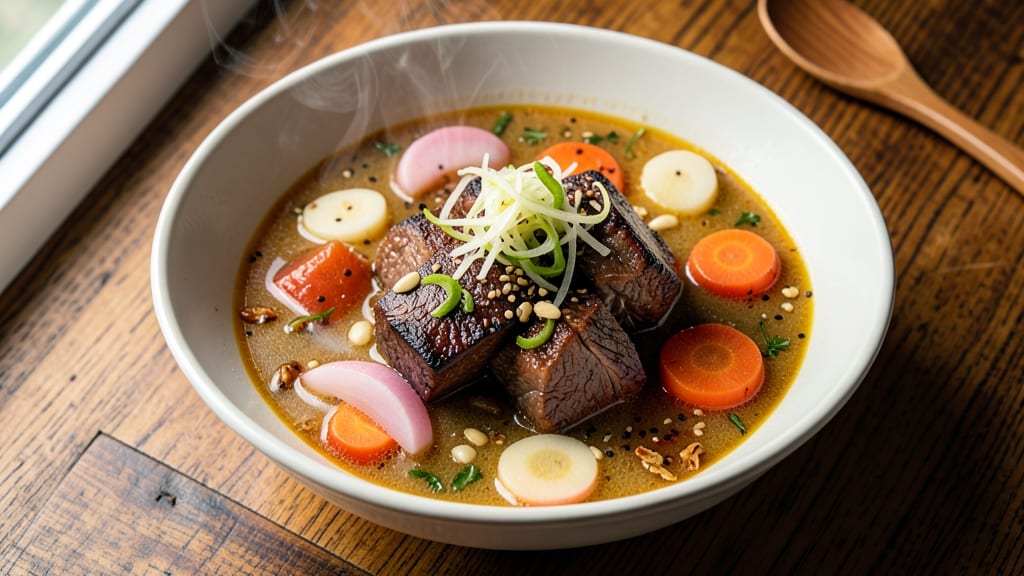
This beef radish soup recipe transforms humble ingredients into a velvety, umami-rich bowl that balances earthy radish sweetness with deep beef flavor. The secret lies in slow-cooked beef that melts into tender strands, while daikon radish and carrots create a naturally sweet, creamy base without heavy cream.
What makes this soup extraordinary is how it marries traditional comfort with unexpected depth—no shortcuts, just layered flavors built through proper technique.
The foundation begins with a rich beef broth, where aromatics like ginger and garlic develop into complex aromas before the vegetables enter. Daikon radish, often overlooked, becomes the star here—its mild sweetness and silky texture blend seamlessly with beef and carrots.
The key to perfect texture is simmering until the radish softens just enough to break down slightly, creating that signature creamy consistency without pureeing. This isn't your average root vegetable soup—it's a hearty, restaurant-quality dish that delivers satisfaction in every spoonful.
By the time you're ready to serve, you'll have a soup that's rich yet balanced, with beef that practically dissolves on your tongue and vegetables that maintain their subtle sweetness. The aroma alone—warm beef, caramelizing onions, and earthy radish—will draw everyone to the table.
What's remarkable is how this soup improves with time, as flavors meld and deepen during the final simmer. Perfect for chilly evenings or as a comforting meal any time of year, this recipe proves that simple ingredients can create something truly special.
Whether you're serving this as a main course or pairing it with crusty bread, the technique ensures consistent results every time. The beauty of this recipe is its adaptability—use store-bought broth for convenience or make your own for deeper flavor.
The method is straightforward but delivers professional-quality outcomes, making it ideal for both weeknight dinners and special occasions. Let's get started on creating this earthy, umami harmony in your kitchen.
Ingredients for beef radish soup
Earthy roots meet umami depth in this velvety beef radish soup's carefully selected ingredients.
| Ingredient | Amount | Notes |
|---|---|---|
| Chuck Roast 🥩 | 1 ½ lb | Trimmed of excess fat, cut into 1-inch cubes |
| Daikon Radish 🥕 | 1 lb | Peeled, cut into 1-inch chunks |
| Carrots 🥕 | 1 lb | Peeled, cut into 1-inch chunks |
| Yellow Onion 🧅 | 1 whole | Quartered, skin on |
| Garlic Cloves 🧄 | 6 cloves | Peeled, smashed |
| Fresh Ginger 🌿 | 2 tbsp | Grated, finely |
| Beef Broth 💧 | 4 cups | Homemade or high-quality store-bought |
| Dry White Wine 🍷 | ½ cup | Sauvignon Blanc or Pinot Grigio |
| Olive Oil 🫒 | 2 tbsp | Extra-virgin, for sautéing |
| Tomato Paste 🍅 | 2 tbsp | Smooth, for depth |
| Dried Thyme 🌿 | 1 tsp | Or 1 tbsp fresh |
| Bay Leaves 🌿 | 2 whole | For aromatic depth |
| Salt 🧂 | 1 ½ tsp | Diamond Crystal kosher salt |
| Black Pepper 🌶️ | ½ tsp | Freshly cracked |
| Soy Sauce 🍜 | 1 tbsp | For umami richness |
The chuck roast is non-negotiable—its marbled fat renders into the broth, creating a rich, velvety base. Look for cuts with visible fat marbling at Whole Foods or your local butcher shop; if buying pre-cut, ensure the pieces are uniform in size for even cooking. Daikon radish and carrots should be firm and free of soft spots, with vibrant color indicating freshness. Asian markets often carry the best selection of daikon, but most grocery stores stock them in the produce section. For the ginger, opt for a fresh, plump root with smooth skin—Penzeys or bulk bins at natural markets offer the best quality. The beef broth is the flavor foundation; if using store-bought, brands like Kettle & Fire or Pacific Foods deliver restaurant-quality depth without the effort of homemade.
No daikon radish? Substitute an equal amount of turnips or parsnips, though texture will differ slightly. Short on beef broth? Mushroom broth or vegetable broth with 1 tsp soy sauce works, though flavor will be less rich. The white wine can be swapped for additional beef broth or dry vermouth, though wine's acidity brightens the dish. Fresh thyme is ideal, but dried thyme at one-third the amount suffices in a pinch. For the tomato paste, Trader Joe's squeeze tubes are convenient and keep well; avoid powdered paste, which lacks depth. The soy sauce adds umami—use Japanese-style soy sauce for cleaner flavor, or dark soy sauce for a deeper color if needed. If you're making this ahead, the flavors deepen overnight, making it a perfect make-ahead meal.
This soup tastes even better the next day as flavors meld—store it in an airtight container in the fridge for up to 5 days. For longer storage, freeze portions in glass jars or silicone molds for up to 3 months. Reheat gently on the stove with a splash of broth or water to restore creaminess. The radish and carrots will soften further upon reheating, so adjust cooking time if reheating from scratch. Garnish with fresh thyme or a drizzle of olive oil before serving to highlight the earthy flavors. Leftovers reheat beautifully, making this an ideal recipe for meal prep—double the batch and freeze half for a future weeknight dinner.
Why You'll Love This Recipe
- One-Pot Wonder: I swear by this when I’m too tired to wash pots—just toss everything in a Dutch oven and let it simmer. The chuck roast practically melts into tender shreds while the daikon and carrots soften into the broth, no extra bowls needed.
- Umami Bomb: Between the slow-cooked beef and the sharp bite of fresh garlic, this soup is ridiculously flavorful. Honestly, the daikon adds a peppery crunch that cuts through the richness, making every spoonful feel like a little reward.
- Lunchbox Hero: Between us, this is my go-to for meal prep—it reheats beautifully and keeps for days. Pack it in jars with a sprinkle of sesame seeds, and you’ve got a hearty lunch that’ll actually make you look forward to Tuesday.
- Budget Magic: A whole chuck roast for one soup? Yes, because it stretches insanely well. I’ll be real: I’ve made this stretch to feed six for under $15, and the leftovers taste just as good the next day—sometimes even better.
Step-by-step instructions for beef radish soup
This method transforms humble roots and beef into a velvety, umami-rich soup with layered flavors.
Sear the Chuck Roast for Deep Flavor
Heat the 2 tablespoons olive oil in a Dutch oven over medium-high heat until shimmering. Add the 1.5 pounds chuck roast in a single layer and sear undisturbed for 3-4 minutes per side until deeply browned. This caramelization forms the flavor foundation.
Remove the roast and set aside. In the same pot, add the quartered yellow onion and cook for 5 minutes until softened and lightly golden. Here's the thing—don't rush this step. The onions should develop color before moving forward. Add the 6 smashed garlic cloves and 2 tablespoons grated fresh ginger, cooking for 1 minute until fragrant.
Develop the Base with Tomato and Wine
Stir in the 2 tablespoons tomato paste and cook for 2 minutes, allowing it to darken slightly. This creates a rich base that balances the earthy roots. Pour in the ½ cup dry white wine and scrape up any browned bits from the bottom—this releases maximum flavor. Let the wine reduce by half (2-3 minutes) until nearly evaporated.
Return the chuck roast to the pot. Add the 4 cups beef broth, 1 tablespoon soy sauce, 1.5 teaspoons salt, and ½ teaspoon black pepper. Bring to a simmer, then add the 2 whole bay leaves and 1 teaspoon dried thyme. Partially cover and simmer for 1 hour until the beef is fork-tender.
Prepare the Root Vegetables
While the beef simmers, peel and cut the 1 pound daikon radish and 1 pound carrots into 1-inch chunks. The daikon should be peeled completely—its skin can be bitter. Keep these separate until needed. The radish's mild sweetness and carrots' natural sugars will meld beautifully with the beef broth.
Real talk: don't skip the peeling. Daikon radish skin is tough and can make the soup texture uneven. Once prepped, set the vegetables aside—they'll cook quickly in the hot broth.
Build the Soup's Velvety Texture
Remove the beef from the broth and shred it using two forks, discarding the bay leaves. Return the shredded beef to the pot. Add the prepared daikon radish and carrots, then simmer uncovered for 15-20 minutes until the vegetables are tender but still hold their shape. You want them fork-tender, not mushy.
For the final touch, use an immersion blender to purée about ⅓ of the soup until smooth. This creates a silky texture while maintaining chunks. If you don't have an immersion blender, carefully ladle out 1 cup of soup, blend separately, then return to the pot. The contrast between smooth and chunky textures is what makes this soup exceptional.
Finish with Umami Balance
Taste the soup and adjust seasoning—add more salt, black pepper, or a splash of soy sauce if needed. The soup should be rich but not overpowering. Ladle into bowls and garnish with additional black pepper and a drizzle of olive oil if desired.
This soup delivers earthy radish sweetness, carrot depth, and beefy umami in every spoonful. The wine reduces the acidity while adding complexity, and the thyme brings herbal brightness. Serve immediately with crusty bread to soak up every last drop of that velvety broth.
Pro Tips For Making Beef Radish Soup
- SEAR THE ROAST FIRST: I learned this the hard way—skipping the sear means flavorless beef. Pat the chuck roast dry, then hit it with high heat in a Dutch oven until deep brown crust forms (about 3-4 minutes per side). That crust locks in juices and builds the soup’s depth.
- PEEL AND GRATE DAIKON FAST: Daikon’s skin is tough and bitter—peel it first with a vegetable peeler, then grate it while still cold (it softens faster). I used to chop it, but grating keeps the texture silky and blends seamlessly into the broth without chunks. (Yes, even if you’re impatient like me.)
- DON’T BOIL THE GARLIC: Sauté minced garlic in oil until just golden—about 30 seconds—before adding liquid. Boiling it turns garlic bitter and burns quickly. This isn’t the prettiest method, but it’s the tastiest. Trust the process.
- SIMMER LOW AND LONG: After adding broth and veggies, reduce heat to a gentle simmer (small bubbles, not rolling). Chuck roast needs 2-3 hours to fall apart—high heat ruins the meat. I skip this when I’m lazy, but the dish is noticeably better when I don’t.
Storing and reheating your leftovers
Refrigerator Storage
Let your beef radish soup cool completely before transferring to an airtight container—I use glass Pyrex with snap-on lids for best results.
Store at 40°F or below for up to 5 days, though I’ve found the flavors actually deepen overnight as the radish and carrots meld with the beef broth. The texture remains velvety, but the radish softens slightly, which is perfect for reheating. 💫
Freezer Prep Tips
For longer storage, freeze portions in glass jars or silicone molds—leave 1 inch of headspace to prevent cracking. I recommend dividing into 2-cup servings for easy reheating.
Label with the date and freeze for up to 3 months. The radish and carrots will soften further but still hold their shape when reheated properly. ❄️
Stovetop Reheating
My preferred method is stovetop reheating—it restores the soup’s silky texture beautifully. Pour the soup into a pot, add ¼ cup beef broth or water, and heat over medium-low heat for 8-10 minutes, stirring occasionally.
This prevents drying out and keeps the radish creamy. Taste and adjust seasoning—soup often needs a pinch of salt or a splash of soy sauce after reheating. 🔥
Microwave Shortcuts
For quick meals, reheat individual portions in a microwave-safe bowl. Cover with a damp paper towel and heat on 50% power for 2-3 minutes, stirring halfway.
If the soup looks thick, add 1-2 tablespoons of broth or water to restore creaminess. Avoid high heat—it can make the radish gummy. 💡
Garnish Before Serving
Always finish with fresh thyme sprigs or a drizzle of olive oil—this highlights the earthy flavors after reheating. A sprinkle of freshly cracked black pepper adds brightness. The radish’s natural sweetness shines when paired with a crusty baguette, so serve immediately after reheating for the best experience. ✨
Nutrition facts
Frequently asked questions
Why does this recipe use daikon radish instead of regular radishes?
Daikon radish has a much milder, sweeter flavor and creamy texture that blends perfectly with beef and carrots. Regular radishes are too peppery and bitter for this velvety soup. The daikon's natural sweetness also caramelizes beautifully during simmering, creating that signature earthy depth.
Can I make this soup without wine? What's the best substitute?
Replace the white wine with ½ cup beef broth plus 1 teaspoon lemon juice for acidity, or use ½ cup dry vermouth for similar depth. The wine's purpose is to deglaze and add brightness—just ensure you're scraping up those browned bits from the pot for maximum flavor.
How do I prevent the radish from turning mushy during cooking?
Simmer the vegetables uncovered for only 15-20 minutes after adding them, and keep the heat at a gentle simmer—not a boil. The radish should be fork-tender but still hold its shape. If using older radishes, reduce cooking time by 2-3 minutes to avoid overcooking.
Is this soup spicy? Can I adjust the heat level?
This recipe is naturally mild with no added spices, but you can easily adjust it. For warmth, add ½ teaspoon red pepper flakes with the thyme, or finish with a dash of Sriracha before serving. The radish's natural sweetness balances any heat beautifully.
What's the best way to serve this soup as a main course?
Pair with crusty sourdough bread or garlic toast for dipping, and add a side of steamed greens or a simple mixed salad to round out the meal. The soup's richness makes it hearty enough to stand alone, but the acidity of a vinegar-based dressing cuts through the richness perfectly.