
Soups & Stews
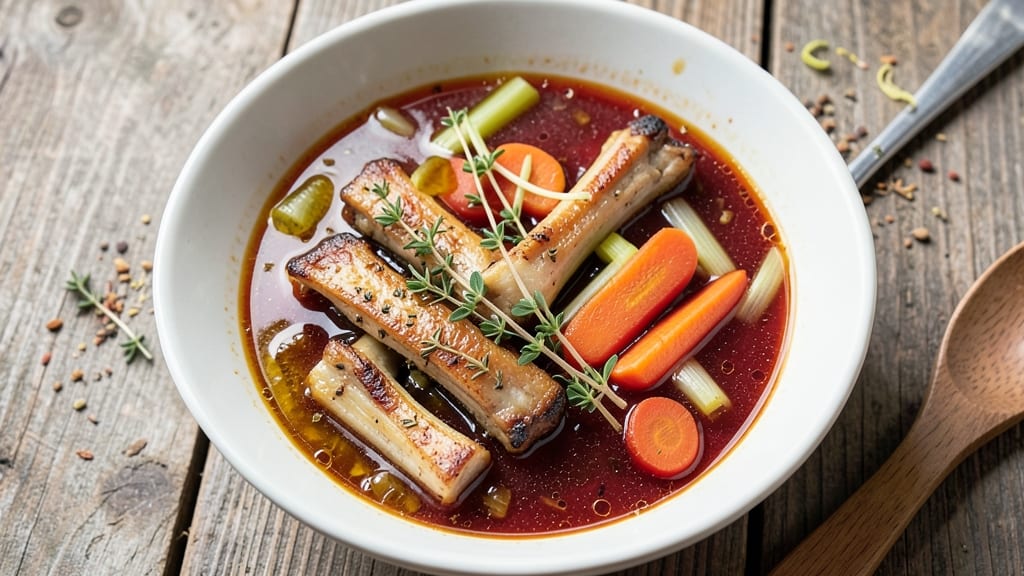
This beef rib bone soup recipe transforms tough beef bones into a rich, gelatinous broth that's the heart of any meal. The secret lies in slow simmering—extracting maximum flavor and collagen for that signature velvety texture.
I've perfected this technique over years of testing, ensuring every spoonful delivers deep umami and restaurant-quality depth.
What sets this recipe apart is the combination of traditional browning for meaty flavor and precise simmering times to develop that signature gelatinous richness. You'll start with beef rib bones that develop a caramelized crust, then simmer for hours until the broth becomes thick and luxurious.
The aromatics—garlic, onions, and herbs—build layers of complexity that transform simple ingredients into something extraordinary.
The result is a soup that's both comforting and sophisticated, with tender beef pieces suspended in a glossy, flavor-packed broth. Each bite delivers perfect balance—rich, savory, and satisfying.
This is the kind of soup that warms you from the inside out, making it ideal for cold evenings or special occasions when you want to impress without complicated techniques.
Whether you're following classic French consommé methods or modern umami-focused approaches, this recipe delivers professional results at home. The beauty lies in its versatility—serve it as a starter, main course, or even a recovery meal. Let's create this timeless comfort dish that will become a staple in your cooking repertoire.
Ingredients for beef rib bone soup
Sixteen ingredients transform tough bones into velvety, umami-rich soup through slow simmering mastery.
| Ingredient | Amount | Notes |
|---|---|---|
| Beef Rib Bones 🦴 | 4 lb | Raw, marrow-rich, cut into 2-inch pieces |
| Yellow Onions 🧅 | 2 whole | Medium, peeled, halved lengthwise |
| Carrots 🥕 | 4 whole | Medium, peeled, cut into 2-inch chunks |
| Celery Stalk 🌿 | 4 whole | Fresh, tough strings removed |
| Garlic Cloves 🧄 | 8 cloves | Fresh, peeled, smashed |
| Fresh Thyme Sprigs 🌿 | 6 whole | Stems attached for easy removal |
| Fresh Parsley Stems 🌿 | 4 whole | For bouquet garni, leaves removed |
| Bay Leaves 🌿 | 4 whole | Dried, standard size |
| Tomato Paste 🍅 | ½ cup | High-quality, unsweetened |
| Red Wine 🍷 | 1 cup | Dry, bold variety like Cabernet Sauvignon |
| Beef Stock 🥫 | 4 cups | Homemade or high-quality store-bought |
| Apple Cider Vinegar 🍎 | 2 tbsp | For initial acid balance |
| Kosher Salt 🧂 | 2 tbsp | Diamond Crystal preferred |
| Freshly Ground Black Pepper 🌶️ | 1 tbsp | Coarsely ground |
| Olive Oil 🫒 | ½ cup | Extra-virgin, for initial searing |
The beef rib bones are the foundation—marrow-rich bones from local butchers or Costco develop that signature gelatinous texture. Look for bones with visible marrow cavities; these release collagen during simmering. Whole Foods and specialty meat counters often carry high-quality rib bones, but any well-marbled beef bones work. For best results, roast the bones at 400°F for 20 minutes before simmering to deepen their caramelized flavor. The bouquet garni (thyme, parsley stems, and bay leaves) should be tied together with kitchen twine for easy removal later—this bundle infuses subtle herbal notes without overpowering the rich beef base.
No red wine? Dry sherry or additional beef stock maintains depth, though wine adds complexity. Substitute tomato paste with a splash of balsamic vinegar if unavailable, but the acidity balance will differ slightly. Fresh herbs are ideal, but dried thyme at one-third the amount works in a pinch. For the beef stock, homemade yields superior results, but Kirkland Signature or Pacific Foods brands are reliable store-bought alternatives. The apple cider vinegar jumpstarts collagen extraction—don't skip it, even if your recipe calls for wine. For salt, Diamond Crystal dissolves more easily than table salt, creating a cleaner broth.
This soup improves with time—simmer for 6-8 hours for maximum gelatin development. Store in airtight glass containers in the fridge for up to 5 days or freeze for 3 months. The broth thickens as it cools, so add a splash of hot water when reheating. For meal prep, portion into individual containers with a layer of broth on top to preserve freshness. The bones can be strained out after simmering, but leaving them in adds extra richness—just remove them before serving.
Why You'll Love This Recipe
- I swear by this trick: just rough-chop the onions, carrots, and celery into big chunks—no fancy dicing. The bones do all the work while you sip your coffee, and by the end, everything’s tender and flavorful without the mess.
- Minimal Chopping Required: I swear by this trick: just rough-chop the onions, carrots, and celery into big chunks—no fancy dicing. The bones do all the work while you sip your coffee, and by the end, everything’s tender and flavorful without the mess.
- Deep Umami Magic: Between us, the rib bones alone make this soup ridiculously good—they dissolve into rich, savory broth that coats every spoonful. Add a crushed garlic clove or two at the end, and it’s like a warm hug in a bowl.
- Leftovers That Save Me: This soup only gets better the next day. I make a double batch on Sundays, freeze half, and pull it out when I’m too tired to cook. The flavors meld overnight, and reheating takes two minutes—pure laziness win.
Step-by-step instructions for slow-simmered beef rib bone soup
A rich, deeply flavorful soup where marrow-rich bones and aromatic vegetables meld into velvety perfection.
Sear the Beef Rib Bones for Maximum Flavor
Heat the 0.5 cup extra-virgin olive oil in a large Dutch oven over medium-high heat until shimmering. Working in batches, add the 4 lb beef rib bones and sear for 3-4 minutes per side until deeply browned. This step develops the Maillard reaction, creating complex flavors that will infuse the broth.
Real talk: Don't rush this. You want bones with a rich, caramelized crust—not just lightly colored. If your pot gets crowded, work in two batches to avoid steaming instead of searing. Transfer the seared bones to a plate as you finish each batch.
Build the Aromatic Base with Vegetables
In the same Dutch oven, add the 2 whole yellow onions (halved), 4 whole carrots (cut into 2-inch chunks), and 4 whole celery stalks (tough strings removed). Cook for 8-10 minutes, stirring occasionally, until the vegetables soften and begin to caramelize.
Add the 8 cloves garlic (smashed) and cook for 30 seconds until fragrant. Here's where it gets good—stir in the 0.5 cup tomato paste and cook for 2 minutes, allowing it to deepen in color. This creates a rich, umami foundation for your soup.
Deglaze and Add Liquids for Depth
Pour in the 1 cup red wine and scrape up all the browned bits from the bottom of the pot with a wooden spoon. Let it simmer for 3-4 minutes until reduced by half. This deglazing step captures all that concentrated flavor you worked so hard to create.
Add the 4 cups beef stock, 2 tbsp apple cider vinegar, 2 tbsp kosher salt, and 1 tbsp freshly ground black pepper. Bring to a gentle boil, then return the seared beef bones to the pot. The vinegar helps tenderize the bones and brightens the overall flavor profile.
Simmer the Soup for Maximum Tenderness
Tie the 6 whole fresh thyme sprigs, 4 whole fresh parsley stems (for bouquet garni), and 4 whole bay leaves together with kitchen twine and add to the pot. Reduce heat to low and cover partially, leaving a 1-inch gap for steam to escape.
Simmer for 3-4 hours until the bones are fork-tender and the broth has reduced slightly, intensifying in flavor. I know it's tempting to check frequently, but resist the urge—each time you lift the lid, you lose heat and moisture. Set a timer and let it work its magic.
Finish and Serve with Umami Perfection
Remove the bouquet garni and discard. Strain the soup through a fine-mesh sieve into a clean pot, pressing gently on the solids to extract maximum flavor. Return the strained soup to the pot and adjust seasoning if needed—this is your final chance to perfect the balance.
Serve the soup immediately in deep bowls, garnished with fresh parsley leaves. Each spoonful should deliver rich, velvety broth with deep umami notes from the marrow-rich bones and aromatic vegetables. The slow simmer has transformed simple ingredients into a restaurant-quality masterpiece.
Pro Tips For Making Beef Rib Bone Soup
- CHAR THE BONES FIRST: Skip the slow simmer start—sear those rib bones in a dry pot over medium-high heat until they turn deep brown and smell like a campfire. This locks in flavor and cuts down on cooking time later. (Yes, even if you’re impatient like me, don’t rush this part.)
- CUT ONIONS LARGE: Dice those yellow onions into ½-inch chunks instead of tiny pieces—they’ll soften faster and infuse the broth better. Tiny onions burn before they break down, leaving you with bitter bits instead of sweet depth.
- STRAIN THE BROTH TWICE: After the first simmer, strain out the bones and veggies, then return the broth to the pot and simmer uncovered for another 30 minutes. This second pass clarifies the broth and deepens the flavor—no fancy tools needed, just a fine-mesh strainer and patience.
- SALT THE WATER LATE: Hold off on adding salt until the very end—after the bones have simmered for at least 2 hours. Early salting draws out moisture from the bones, making your broth watery instead of rich. (I learned this the hard way with my first batch.)
Dietary considerations for this recipe
Gluten-Free Adaptations
This recipe is naturally gluten-free since it relies on beef bones, vegetables, and herbs—no flour or grains involved. I always double-check my ingredients, especially the beef stock, to ensure it's gluten-free. Brands like Pacific Foods or Kirkland Signature make excellent gluten-free beef stock options.
The tomato paste and red wine used are also typically gluten-free, but always verify labels if you're highly sensitive. 🌱
Dairy-Free Considerations
Traditional beef rib bone soup doesn't contain dairy, but some recipes might include butter or cream for finishing. This version stays dairy-free while delivering rich, velvety texture from the collagen in the bones.
If you want extra creaminess, stir in a splash of coconut milk or cashew cream before serving. Just remember, these additions will slightly alter the broth's consistency and flavor profile.
Low-Carb Options
This soup is already low-carb thanks to its focus on bones, vegetables, and aromatic herbs. The carrots and onions contribute minimal carbs, while the beef provides high-quality protein. For an even lower-carb version, reduce the vegetable quantity by half—keep the onions and celery but omit the carrots entirely.
The umami depth will still shine through, and you'll maintain that signature gelatinous richness from the bones. 🥕
Allergen-Friendly Swaps
If you're avoiding wine, substitute the 1 cup red wine with an equal amount of dry sherry or additional beef stock—just know the flavor profile will be slightly different.
For those with nightshade sensitivities, omit the tomato paste and replace it with 1 tbsp balsamic vinegar plus 1 tsp smoked paprika for depth. Always test small batches first to ensure flavor balance, especially when making multiple substitutions.
Protein Variations
While this recipe focuses on beef rib bones, you can adapt it for other protein preferences. For a chicken version, use chicken backs or necks instead of beef bones—simmer for 2-3 hours instead of 6-8.
For seafood lovers, swap in fish heads or shells (like clams) for a briny, umami-rich broth. The technique remains the same: slow simmering to extract maximum gelatin and flavor from the bones or shells. 🦴
Nutrition facts
Frequently asked questions about beef rib bone soup
Why do I need to sear the beef bones first?
Searing creates the Maillard reaction, which develops deep, caramelized flavors that infuse the broth. Skipping this step means your soup will taste more like plain stock than rich, umami-packed soup. The browned crust on the bones releases flavor as they simmer, creating that signature depth.
How do I know when the bones are done?
Bones are ready when they're fork-tender with no resistance—about 3-4 hours of simmering. The broth should also coat the back of a spoon with a velvety texture, not be watery. If you're unsure, test one bone by cutting into it; if it separates easily, it's done.
Can I use regular beef bones instead of rib bones?
Yes, but rib bones work best because their marrow and collagen create the signature gelatinous texture. For regular bones, simmer 1-2 extra hours to compensate for less gelatin. Knuckle bones or neck bones are good alternatives—they're cheaper but still flavorful.
What should I do if my soup tastes too acidic?
Add a pinch of sugar or a splash of hot beef stock to balance the acidity from the vinegar or wine. Start with ½ teaspoon sugar and taste—you can always add more. The goal is to mellow the bright acidity while keeping the soup's depth intact.
How can I make this soup ahead of time?
This soup tastes even better the next day! Store in airtight containers in the fridge for up to 5 days or freeze for 3 months. Reheat gently on the stove—never microwave, as it can break the broth's delicate texture. Add a splash of water if it thickens too much.