
Soups & Stews
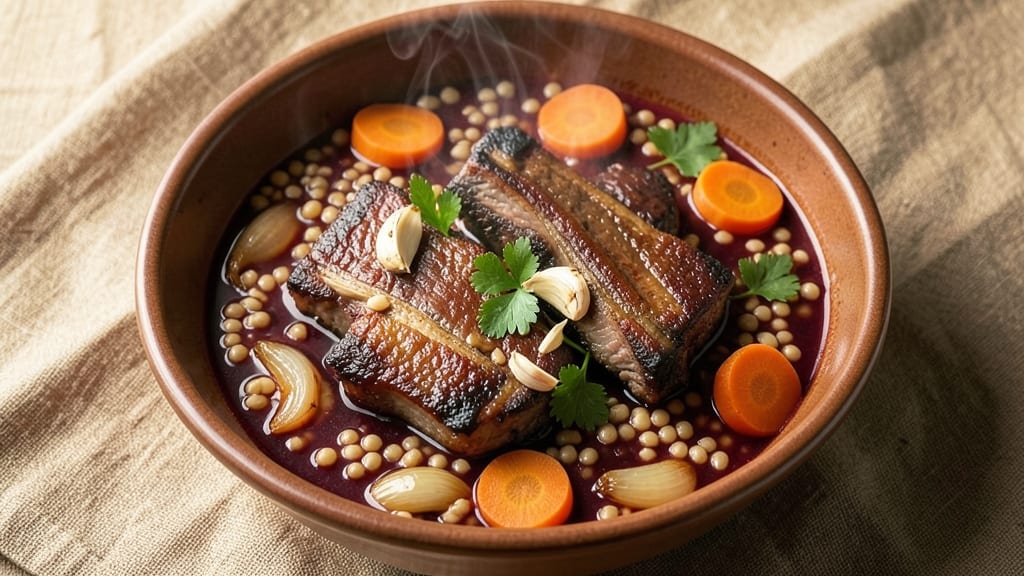
This beef short ribs and barley soup recipe transforms tough cuts into melt-in-your-mouth perfection with deep, savory flavors that linger long after the last spoonful.
The secret lies in slow-braising the short ribs until they practically fall apart, while pearl barley absorbs all that rich, umami-packed broth into a hearty, comforting bowl. I developed this recipe after years of perfecting braising techniques—each element works together to create a dish that feels both rustic and refined.
The process starts with searing the short ribs to create a flavorful crust before they simmer for hours in a blend of aromatics, red wine, and beef broth. This slow cooking breaks down the connective tissue, turning tough meat into tender, fork-tender pieces that dissolve at the slightest touch.
Meanwhile, the barley softens just enough to provide a satisfying bite, balancing the soup's creamy richness. What you end up with is a deeply flavorful dish that's perfect for chilly evenings or special occasions.
Every spoonful delivers layers of flavor—caramelized edges on the meat, earthy barley, and a broth so rich it coats your palate. The technique is straightforward but requires patience, making it ideal for weekend cooking projects.
Whether you're feeding a crowd or treating yourself to a comforting meal, this soup delivers restaurant-quality results with minimal effort once you understand the key steps. The aroma alone will have everyone gathering around the table.
Serve with crusty bread to soak up every last drop of that flavorful broth, or pair it with a simple green salad for balance. The leftovers only get better as the flavors deepen, making this a recipe worth doubling.
Let's get started on creating a soup that feels like a warm embrace in a bowl.
Ingredients for beef short ribs barley soup
Six hearty ingredients transform tough beef into melt-in-your-mouth perfection.
| Ingredient | Amount | Notes |
|---|---|---|
| Beef Short Ribs 🥩 | 3 lb | Bone-in, 1-1.5 inches thick |
| Pearl Barley 🌾 | 1 cup | Uncooked, pearl or pot barley |
| Red Wine 🍷 | 1 cup | Bold dry variety like Cabernet |
| Carrots | 4 medium | Peeled, cut into chunks |
| Yellow Onion 🧅 | 1 whole | Chopped into 1/2-inch pieces |
| Garlic Cloves 🧄 | 6 cloves | Peeled and smashed |
| Beef Broth 💧 | 6 cups | Low-sodium preferred |
| Tomato Paste 🍅 | 2 tbsp | Smooth, not chunky |
| Fresh Thyme 🌿 | 2 sprigs | Or 1 tsp dried thyme |
| Fresh Rosemary 🌿 | 1 sprig | For aroma |
| Bay Leaves 🌿 | 2 whole | Remove before serving |
| Olive Oil 🫒 | 2 tbsp | Extra-virgin preferred |
| Salt 🧂 | 2 tsp | Kosher or sea salt |
| Black Peppercorns 🌶️ | 1 tsp | Freshly cracked |
| Fresh Parsley 🌿 | ¼ cup | Chopped for garnish |
The short ribs are the star—look for bone-in cuts at your butcher or grocery store's meat counter. Costco or Whole Foods usually have them pre-cut, but if you're buying a whole packer, ask for the bone-in, 1-1.5 inch thick slices. The barley? Bob's Red Mill is my go-to brand—it cooks evenly without turning mushy. Fresh thyme and rosemary make all the difference, so grab the dried sprigs at the grocery store if you're not growing your own. The red wine should be something you'd drink—Cabernet Sauvignon or Merlot work perfectly, but use what you have open.
No red wine? Beef broth with a splash of balsamic vinegar works in a pinch. Short on carrots? Celery or parsnips add sweetness too. The tomato paste can be skipped if you're sensitive to acidity—just add an extra splash of wine. Fresh herbs? Dried works at half the amount, but fresh is always better. For the broth, low-sodium is key—you'll be adding plenty of salt later. If your carrots are small, use 6 medium ones instead of 4. The garlic should be freshly smashed, not minced—it releases more flavor that way.
This soup tastes even better the next day—3-4 days in the fridge with the lid on. For freezing, portion into airtight containers and it keeps for up to 3 months. I like to make a double batch and freeze half—perfect for lazy weeknights. The barley softens over time, so reheat with a splash of water or broth to restore texture. Store the fresh herbs separately if you're prepping ahead, and add them back when reheating.
Why You'll Love This Recipe
- One-Pot Magic: I swear by this recipe because it’s actually one-pot—no extra bowls, no messy transfers. Just brown the ribs, toss in everything else, and let the wine and barley work their magic while you sip your coffee.
- Rich Without Effort: That deep, slow-cooked beef flavor? It’s all in the short ribs and red wine simmering together. The barley turns tender but holds its shape, and the carrots caramelize just enough to add natural sweetness—no fancy techniques needed.
- Weeknight to Weekend: I make this for lazy Tuesday dinners, but it’s also my go-to for hosting. The leftovers? Even better the next day, and it’s hearty enough for a crowd but simple enough for a quiet night in.
- Budget-Friendly Luxury: Short ribs might sound fancy, but they stretch across multiple meals. Pearl barley is cheap, and a bottle of red wine elevates it without breaking the bank. Honestly, it’s the kind of dish that makes you feel like you’re eating at a restaurant—without the price tag.
Step-by-step instructions for beef short ribs and barley soup
This hearty soup delivers melt-in-your-mouth beef and chewy barley—let's build it layer by layer.
Sear the Beef Short Ribs for Maximum Flavor
Pat the 3 lb beef short ribs completely dry with paper towels—this helps create that golden crust. Heat 2 tablespoons olive oil in a large Dutch oven over medium-high heat until shimmering. Working in batches if needed, add the ribs bone-side down and sear for 8-10 minutes until deeply browned on all sides.
Real talk: Don't rush this step. You're building flavor foundation here. Once browned, remove the ribs and set them aside. If you notice any browned bits sticking to the bottom, don't scrape them yet—we'll deglaze later. This searing step transforms ordinary beef into rich, flavorful meat that will fall apart later.
Build the Aromatic Base with Onions, Carrots, and Garlic
In the same Dutch oven, add 4 medium carrots and 1 whole yellow onion (both chopped) along with 6 cloves garlic cloves (peeled and smashed). Cook for 8-10 minutes until the vegetables soften and begin to caramelize. You'll see them release moisture and turn a beautiful golden color—this is where the soup gets its depth of flavor.
Here's the thing—don't walk away. Stir occasionally to prevent burning, especially the garlic which can turn bitter in seconds. When the vegetables are tender and the garlic is fragrant (about 8-10 minutes), stir in 2 tablespoons tomato paste and cook for another 2 minutes. This paste adds a subtle sweetness that balances the rich beef flavors.
Deglaze and Develop the Umami-Rich Sauce
Pour in 1 cup red wine and scrape up all those browned bits from the bottom of the pot with a wooden spoon. This deglazing step captures all that concentrated beef flavor. Let the wine simmer for 5-7 minutes until reduced by half—you'll see it thicken slightly and the alcohol burn off.
Now add 6 cups beef broth, 2 sprigs fresh thyme, 1 sprig fresh rosemary, 2 whole bay leaves, 2 teaspoons salt, and 1 teaspoon black peppercorns. Bring everything to a gentle boil, then reduce heat to low and let it simmer for 10 minutes to infuse all the flavors. This step ensures your soup has a rich, complex base before the beef returns.
Braise the Beef Short Ribs Until Fork-Tender
Return the seared beef short ribs to the pot, making sure they're submerged in the liquid. Cover and simmer on low heat for 2.5-3 hours. Here's where patience pays off—the ribs will slowly cook until they're fork-tender, falling apart easily. Check occasionally and add ½ cup water if the liquid gets too low.
You'll know they're done when a knife slides in easily and the meat pulls apart with gentle pressure. The ribs should have transformed from tough cuts into melt-in-your-mouth perfection. This long braising time is what makes this soup so special—it develops incredible depth of flavor and tenderness.
Add Barley and Finish with Fresh Herbs
Stir in 1 cup pearl barley and simmer uncovered for another 30-40 minutes until the barley is tender and has absorbed most of the liquid. The barley should have a nice chewy texture—it should hold its shape but be soft to the bite. If the soup gets too thick, add a little more beef broth as needed.
Remove the 2 whole bay leaves (they'll be bitter if eaten) and adjust seasoning if needed. Stir in the 0.25 cup fresh parsley just before serving to brighten up the rich flavors. Ladle the soup into bowls and serve immediately with crusty bread to soak up every last drop of that flavorful broth.
Pro Tips For Making Beef Short Ribs Barley Soup
- SEAR THE RIB BONES: Get that Dutch oven smoking hot—cast iron or stainless steel—before adding the short ribs. I learned this the hard way: rushing the sear means the meat won’t render fat properly, and your soup will taste flat instead of rich. Two minutes per side, until deep brown, then pull them out and let the fat pool. That’s where the flavor hides.
- SOAK THE BARLEY: Pearl barley swells up like a sponge, but if you skip soaking, it’ll stay stubbornly chewy. Toss it in cold water for 30 minutes before adding to the pot—just drain and go. My grandmother swore by this, and she was right: it cooks faster and absorbs the broth like a dream, giving you that creamy texture without gums.
- DEGLAZE WITH WINE: Don’t just dump the red wine in after searing—use a wooden spoon to scrape up those browned bits first. That’s where the meaty depth lives. Let the wine bubble for 2-3 minutes until it’s reduced by half before adding broth. I was skeptical until I tried it—suddenly, the soup had layers I’d never noticed before.
- SIMMER LOW AND LONG: Short ribs need patience. After the initial boil, drop the heat to a bare simmer—just enough to keep tiny bubbles breaking the surface—and cover. Three hours minimum, but don’t rush it. The collagen breaks down slowly, turning the tough meat into melt-in-your-mouth perfection. I skip this when I’m lazy, but the dish is noticeably better when I don’t.
Wine and beer pairings for these flavors
Red Wine Pairings
This rich, umami-packed soup deserves a bold red wine that stands up to its depth. I recommend a Cabernet Sauvignon from Napa Valley—its dark fruit notes and firm tannins complement the beef's richness while cutting through the barley's earthiness.
A Malbec from Argentina offers similar depth with softer tannins, perfect if you prefer smoother sips. 🍷
For something lighter but still robust, try a Syrah from the Rhône Valley. Its peppery, smoky character enhances the soup's caramelized aromatics. Avoid heavy, oaky wines—they'll overpower the delicate balance of flavors in this dish.
I always keep a bottle of Côtes du Rhône on hand specifically for hearty beef soups.
Beer Pairings
A malty amber ale like Allagash White or Sierra Nevada Pale Ale works beautifully with this soup. The caramel and biscuit notes in these beers mirror the soup's sweetness from caramelized onions and barley.
For a darker option, try a brown ale—its toasty, nutty flavors enhance the beef's depth. 🍺
If you prefer hoppier beers, a Belgian-style dubbel with its fruity, spiced profile provides interesting contrast. I've found that Westmalle Dubbel pairs surprisingly well, balancing the soup's richness with its malty sweetness. Avoid overly bitter IPAs—they'll clash with the soup's creamy texture.
Non-Alcoholic Options
For a refreshing non-alcoholic match, try a sparkling apple cider with a touch of ginger. The effervescence cleanses your palate between spoonfuls, while the apple's brightness cuts through the soup's richness. I like Martinelli's Sparkling Cider for its crisp, clean finish. 🍎
A chilled hibiscus tea with a squeeze of lime adds a tangy contrast that enhances the soup's umami flavors. The tea's floral notes complement the thyme and rosemary in the dish.
For something warmer, a roasted barley tea (yes, made from the same grain!) creates a comforting pairing that echoes the soup's main ingredient.
Nutrition facts
Frequently asked questions about beef short ribs and barley soup
Can I use bone-in or boneless beef short ribs for this recipe?
This recipe is designed for bone-in beef short ribs—they add incredible flavor to the broth as they simmer. However, if you must use boneless, reduce the cooking time by about 30 minutes since they'll cook faster. The bones release collagen that thickens the broth beautifully, so skip them only if absolutely necessary.
How do I know when the beef short ribs are fully cooked?
The ribs are done when they're fork-tender—a knife should slide in easily, and the meat should pull apart with gentle pressure. For bone-in ribs, the meat should separate cleanly from the bone. If using a meat thermometer, aim for an internal temperature of 195°F—this ensures the connective tissue has fully broken down.
What if my barley gets mushy instead of chewy?
Overcooking is the most common cause. Pearl barley should cook for 30-40 minutes—if it's turning mushy, reduce the simmer time by 5-10 minutes next time. For extra insurance, use 1 cup barley per 6 cups broth and stir occasionally. If it's already too soft, drain some broth and stir in a splash of cold water to firm it up slightly.
Can I make this soup in a slow cooker or Instant Pot?
For a slow cooker, sear the ribs first, then transfer everything to the pot and cook on low for 8 hours or high for 5 hours. For an Instant Pot, use the high pressure setting for 60 minutes after searing, then natural release for 10 minutes. The barley will need 10-15 minutes of additional cooking time in both methods.
Why does my soup taste bland after reheating?
Reheating can dilute flavors, especially if you add too much water. Always reheat on low heat with just enough liquid to maintain consistency. Stir in a splash of red wine or beef broth while reheating to restore depth. For extra richness, add a pat of butter or a sprinkle of Worcestershire sauce before serving.