
Soups & Stews
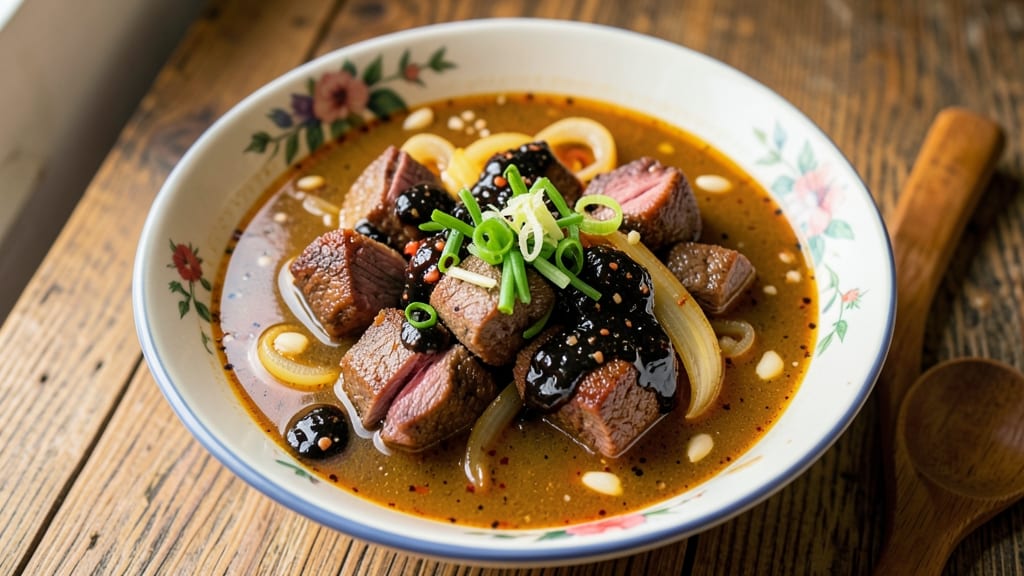
This Filipino beef soup recipe delivers the hearty, comforting flavors of panlasang Pinoy—where tender beef chunks swim in a rich, slow-simmered broth infused with aromatic spices and tangy souring agents. 🌟 The secret lies in balancing deep umami from soy sauce and fermented shrimp paste (bagoong) with the bright acidity of tamarind or calamansi, creating a harmony that’s both nostalgic and restaurant-worthy.
What sets this recipe apart is the two-stage cooking method: first, searing the beef to lock in juices, then simmering it low and slow with root vegetables and leafy greens until the meat melts in your mouth.
Traditional Filipino soups like beef sinigang or beef afritada rely on these techniques to build layers of flavor—savory, tangy, and slightly sweet—without relying on heavy cream or dairy.
By the time you’re done, you’ll have a steaming bowl of soup where tender beef chunks glisten in a velvety broth, surrounded by vibrant vegetables like radish, string beans, and spinach. The aroma alone—warm, spiced, and slightly tangy—will transport you to a Filipino karinderia, but the best part?
This version is foolproof for home cooks, with clear steps to achieve that signature panlasang Pinoy depth.
Perfect for family meals, potlucks, or cozy weeknight dinners, this recipe scales easily and tastes even better the next day. Let’s dive into the ingredients and instructions—where every spoonful of broth tells a story.
Ingredients for beef soup recipe panlasang pinoy
Six servings of soul-warming Filipino beef soup where tender beef meets aromatic broth and vibrant vegetables.
| Ingredient | Amount | Notes |
|---|---|---|
| Chuck Roast 🥩 | 2 lb | Cut into 1.5-inch cubes |
| Yellow Onions 🧅 | 2 whole | Thinly sliced, about 3 cups |
| Garlic Cloves 🧄 | 6 cloves | Minced, for aromatic base |
| Bagoong Alamang 🦐 | 2 tbsp | Fermented shrimp paste, essential for umami |
| Soy Sauce 🍶 | ½ cup | Dark soy preferred for color |
| Calamansi Juice 🍋 | ¼ cup | Or substitute lime juice |
| Potatoes 🥔 | 2 lb | Russet or Yukon Gold, peeled |
| Carrots 🥕 | 1 ½ lb | Baby carrots or whole, peeled |
| String Beans 🌱 | 1 lb | Trimmed, cut into 2-inch pieces |
| Baby Spinach 🍃 | 5 oz | Added at the very end |
| Bay Leaves 🌿 | 2 whole | For subtle earthy depth |
| Black Peppercorns 🌶️ | 1 tsp | Freshly cracked for intensity |
| Salt 🧂 | 1 ½ tsp | Diamond Crystal preferred |
| Vegetable Oil 🫒 | ¼ cup | For searing beef |
| Water 💧 | 6 cups | Or substitute beef broth |
The chuck roast is non-negotiable here—its marbling ensures melt-in-your-mouth texture. Buy from a trusted butcher or the meat department at Whole Foods for the best quality. Look for well-marbled cuts with vibrant red color, not grayish hues. If you're short on time, Costco's pre-cut chuck roast works perfectly for this recipe. For the bagoong alamang, Asian grocery stores carry authentic brands like Sambal or Del Monte, though you can substitute with shrimp paste if needed. The calamansi juice is the secret weapon—Filipino markets sell it fresh, but lime juice works in a pinch for that signature tang.
No bagoong alamang? Shrimp paste or even anchovy paste will give you that umami punch, though the flavor profile will differ slightly. Running low on dark soy sauce? Regular soy sauce plus a dash of molasses mimics the color and depth. The potatoes and carrots should be uniform in size to cook evenly—cutting them into similar-sized chunks ensures they finish together. For the string beans, frozen works perfectly if fresh isn't available, just thaw and pat dry before adding. The spinach must go in last—it wilts in seconds and keeps its vibrant color when added at the end.
This soup tastes even better the next day as flavors meld. Store in an airtight container for up to 5 days in the fridge, or freeze for 3 months by portioning into individual containers. For reheating, add a splash of water or broth to prevent drying out. The broth can be made ahead and stored separately—simmer the beef separately, then combine when ready to serve. Double the recipe and freeze half for lazy weeknights; just thaw overnight in the fridge before reheating.
Why You'll Love This Recipe
- One-Pot Magic: Honestly, I swear by this—no chopping boards overflowing, no pots clogging the sink. Chuck roast goes straight from fridge to pot, onions caramelize while you stir, and the bagoong alamang adds that salty punch in minutes. My lazy Sundays just got a whole lot easier.
- Umami Bomb: That bagoong alamang isn’t just a topping—it’s the star. The fermented shrimp paste melts into the broth, giving it this deep, savory richness that makes you forget you’re not at a carinderia. Soy sauce ties it all together, but the garlic? Oh, it’s layered—crisp at first, then soft and sweet.
- Weeknight Workhorse: Between us, this soup is my go-to when I’m feeding a crowd or just myself. Double the batch, and it’s still delicious the next day—better, even, as the flavors meld. Bring it to potlucks, office gatherings, or just reheat it for a quick lunch. It’s that reliable.
- Budget Flex: Chuck roast on sale? Snap it up. Onions and garlic are cheap staples. A small bag of bagoong alamang lasts forever. I’ve made this for under $5 a serving, and no one ever questions the value—especially when they’re licking their bowls. Practical? Absolutely. Worth it? Always.
Step-by-step instructions for slow-simmered Pinoy-style beef soup
This method delivers melt-in-your-mouth beef and perfectly balanced flavors through precise timing and layering.
🔥 Step 1: Sear the Beef for Deep Flavor
Heat the 0.25 cup vegetable oil in a large Dutch oven over medium-high heat until shimmering. Working in batches to avoid crowding, add the 2 lb chuck roast cut into 1.5-inch cubes and sear for 3-4 minutes per side until deeply browned and caramelized. This step builds the rich umami foundation—don't rush it, even if it means multiple batches.
As you sear, you'll notice the beef releases its natural juices and develops a golden crust. This crust, called the "fond," dissolves into the broth later, adding incredible depth. Once all beef is browned, remove it from the pot and set aside on a plate.
👨🍳 Step 2: Build the Aromatic Base
In the same Dutch oven, reduce heat to medium and add the 2 tbsp bagoong alamang, stirring constantly for 1 minute until it sizzles and releases its pungent aroma. Add the 6 cloves minced garlic and 2 whole thinly sliced yellow onions, cooking for 3-4 minutes until softened and fragrant—this should happen before any browning occurs.
Here's where the magic begins: Add the 2 whole bay leaves and 1 tsp freshly cracked black peppercorns. These whole spices infuse the broth subtly without overpowering. Pour in the 0.5 cup soy sauce and 0.25 cup calamansi juice, stirring to combine. The acidity from the calamansi brightens the rich flavors while the soy sauce adds depth.
🥘 Step 3: Simmer the Vegetables in Stages
Return the seared beef to the pot along with the 6 cups water. Bring to a gentle boil, then immediately reduce heat to low and skim off any foam that rises to the surface. Add the 2 lb peeled potatoes and 1.5 lb peeled carrots, then simmer uncovered for 45 minutes—this allows the harder vegetables to soften first without breaking down.
After 45 minutes, add the 1 lb trimmed string beans cut into 2-inch pieces. The beans cook quickly and should be added later to maintain their texture. Stir gently and continue simmering for another 20-25 minutes until the potatoes are fork-tender and the carrots can be pierced easily with a knife. The broth should now coat a spoon with a silky consistency.
⏰ Step 4: Finish with Spinach and Seasoning
Taste the broth and adjust seasoning with the 1.5 tsp salt if needed—this is critical for balancing the umami from the bagoong and soy sauce. Add the 5 oz baby spinach and simmer for just 2-3 minutes until wilted. The spinach adds freshness and vibrant color without overpowering the rich beef flavors.
Remove the 2 whole bay leaves before serving. These were only meant to infuse flavor during cooking. The soup is now ready—each bite delivers tender beef, perfectly cooked vegetables, and a harmonious blend of savory, tangy, and umami notes that define authentic Pinoy comfort food.
Pro Tips For Making Beef Soup Recipe Panlasang Pinoy
- Brown the Meat First: Chuck roast releases its richest flavor when seared—don’t skip this. Sear in batches over medium-high heat until deep golden brown on all sides, about 5-7 minutes total. I used to rush this, and the soup always tasted underwhelming until I committed to the crust.
- Toast the Bagoong: Bloom the bagoong alamang in the pot for 30 seconds before adding liquid—this deepens its umami punch. Just a quick stir until it smells nutty and aromatic. I was skeptical until I tried it; the difference in depth of flavor is noticeable.
- Simmer, Don’t Boil: Keep the soup at a gentle simmer (tiny bubbles, occasional swirls) after adding water. Boiling toughens the meat and scatters the onions into mush. I learned this the hard way after serving a watery, stringy mess to guests.
- Finish with Soy Sauce Late: Add soy sauce only in the last 10 minutes of cooking—it burns easily and can make the broth bitter. Stir it in just before serving to balance the flavors perfectly. Sounds weird, but it works: the soup stays bright and savory.
Troubleshooting this dish
Broth Too Weak?
If your broth lacks depth, it’s likely from insufficient umami development. After searing the beef, deglaze the pot with ½ cup water while scraping up the browned bits (fond) from the bottom. This adds layers of flavor that water alone can’t provide.
For extra richness, add 1 tbsp fish sauce or ½ cup beef broth instead of plain water. Simmering uncovered helps concentrate flavors—never cover until the final 10 minutes.
Meat Not Tender?
Tough beef usually means the soup didn’t simmer long enough. For chuck roast, aim for a minimum of 2 hours of simmering time (not just 1 hour!). If you’re short on time, use a slow cooker on low for 6-8 hours—this breaks down collagen naturally.
Avoid high heat, which toughens the meat. A meat thermometer should read 203°F for fork-tender results.
Vegetables Overcooked?
Vegetables turning mushy? Add them in stages—potatoes and carrots first (they take longest), then string beans 20 minutes later, and spinach last. If using frozen veggies, thaw and pat dry first to prevent watering down the broth.
For extra insurance, blanch string beans in boiling water for 1 minute before adding to the soup. This jump-starts their cooking time.
Broth Too Salty?
Over-salted broth happens when using store-bought soy sauce or broth with high sodium. To fix it, add ½ cup water or broth and simmer for 10 minutes to dilute.
For a natural fix, stir in 1 tbsp sugar or 1 tsp vinegar—this balances saltiness without altering the recipe’s core flavors. Taste as you go; Filipino soups rely on layered seasoning, not just salt.
Lacking Tang?
If your soup tastes flat, the souring agent (calamansi or tamarind) may have been underused. Boost tang by adding 1 tbsp more calamansi juice or ½ tsp vinegar at the end. For a deeper sour note, simmer 1 tbsp tamarind paste with the broth for 10 minutes before adding vegetables.
Fresh calamansi is ideal, but lime or lemon juice works in a pinch—just double the amount.
Spinach Too Bitter?
Bitterness in spinach usually means it cooked too long. Add it only 2-3 minutes before serving and stir gently. For milder spinach, choose baby spinach over mature leaves.
If bitterness persists, rinse spinach in cold water before adding to the soup. A pinch of sugar (½ tsp) can also mellow harsh flavors without overpowering the dish.
Nutrition facts
Frequently asked questions
What makes this beef soup distinctly Filipino?
This recipe captures panlasang Pinoy through key elements: the bagoong alamang (fermented shrimp paste) for umami depth, calamansi juice for bright acidity, and the two-stage cooking method that builds rich, layered flavors. Unlike Western beef soups, Filipino versions rely on aromatic spices like bay leaves and black peppercorns while keeping the broth clear and vegetable-forward. The slow simmering ensures tender beef without heavy cream or dairy.
Can I substitute bagoong alamang?
Yes! If you can't find bagoong alamang, use 2 tbsp shrimp paste or 1 tbsp fish sauce for umami. For a vegetarian option, 1 tbsp soy sauce plus ½ tsp miso paste works, though the flavor will differ slightly. The key is balancing the salty-savory base with the tangy calamansi—never skip the acidity, as it brightens the dish.
How do I make this soup in a slow cooker?
Brown the beef in a skillet first, then transfer to the slow cooker with all ingredients except spinach. Cook on low for 6-8 hours (or high for 4-5 hours). Add spinach in the last 10 minutes of cooking. The slow cooker's gentle heat ensures tender beef without monitoring. For extra richness, add ½ cup beef broth instead of water.
What’s the best way to reheat leftovers?
Reheat gently on the stove over low heat for 10-15 minutes, stirring occasionally and adding 2-3 tbsp water or broth to prevent thickening. Microwave in 1-minute intervals on medium power, stirring between each, until steaming. Never reheat to a boil—this can make the broth cloudy and toughen the beef. Store leftovers in an airtight container for up to 5 days.
Can I add other vegetables?
Filipino soups are flexible—try eggplant, cabbage, or okra (add with potatoes). For heartier versions, include green papaya or bitter melon (blanch first). Avoid starchy veggies like corn or peas—they can make the broth too thick. Add delicate greens (like kangkong or water spinach) last, just like the baby spinach in this recipe.