
Soups & Stews
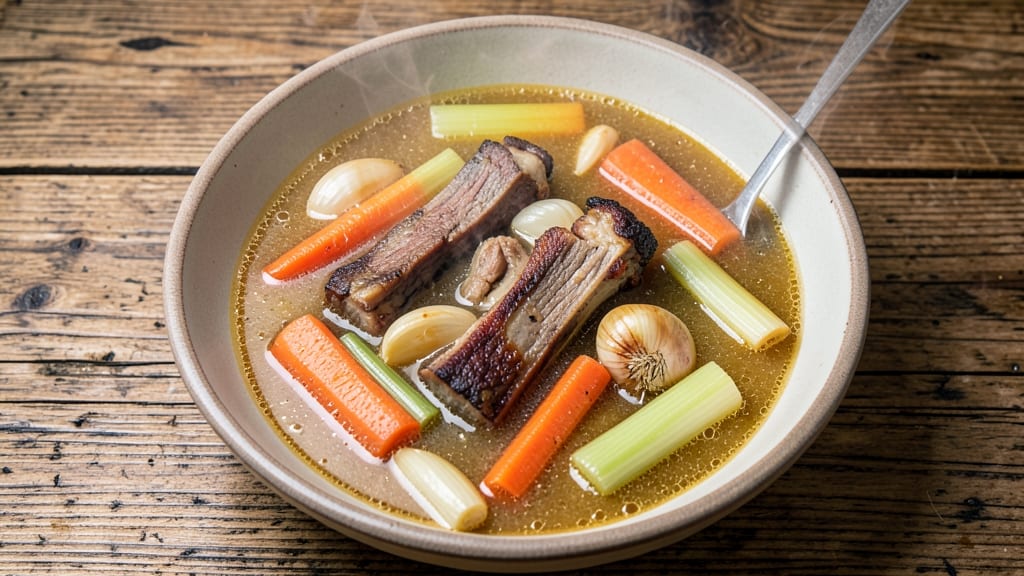
This beef tallow soup transforms humble ingredients into a deeply flavorful, velvety broth that carries the rich umami of slow-cooked bones and rendered fat. The secret lies in the tallow itself—its golden, caramelized depth creates a sauce-like consistency that clings to every spoonful, turning simple vegetables into something extraordinary.
Unlike watery broths, this version delivers a luxurious mouthfeel with every sip, making it perfect for cold weather or as a base for heartier dishes.
The process begins with searing bones and aromatics to develop a deep, toasted foundation, then simmering for hours to extract collagen and gelatin. Beef tallow, rendered from suet or fatty cuts, adds a velvety richness that sets this soup apart from traditional bone broths.
It’s a technique rooted in Southern cooking and global traditions where rendered fat elevates humble ingredients into something truly special.
What you’ll end up with is a golden, aromatic broth so rich it coats the back of your throat with every spoonful. The vegetables—carrots, celery, onions—soften just enough to melt into the liquid, while herbs like thyme and bay leaves infuse subtle earthiness.
This isn’t just soup; it’s a comforting, nourishing elixir that tastes even better the next day as flavors deepen.
Whether you’re preparing for a family gathering or simply craving a bowl of soul-warming goodness, this recipe delivers restaurant-quality depth with minimal effort. The long simmer ensures maximum flavor extraction, while the tallow adds a luxurious finish that turns an ordinary meal into something memorable. Let’s get started.
Ingredients for beef tallow soup
Sixteen cups of golden liquid await—where humble bones and rendered fat become restaurant-quality velvety elixir.
| Ingredient | Amount | Notes |
|---|---|---|
| Beef Bones (Knuckle or Neck) 🦴 | 4 lb | Raw, marrow-rich preferred |
| Beef Tallow (Rendered) 🧈 | 1 cup | From suet or fatty cuts |
| Yellow Onions 🧅 | 2 whole | Chopped into 1-inch pieces |
| Carrots 🥕 | 4 whole | Cut into 2-inch chunks |
| Celery Stalks 🌿 | 6 whole | Cut into 2-inch pieces |
| Garlic Cloves 🧄 | 8 cloves | Crushed for deep flavor |
| Fresh Thyme Sprigs 🌿 | 4 whole | Or 1 tbsp dried thyme |
| Bay Leaves 🍃 | 2 whole | Standard dried leaves |
| Black Peppercorns 🌶️ | 1 tbsp | Crushed for heat |
| Kosher Salt 🧂 | 1 ½ tsp | Diamond Crystal preferred |
| Apple Cider Vinegar 🍏 | 2 tbsp | For bright acidity |
| Cold Water 💧 | 16 cups | For initial broth |
| Parsley Stems 🌿 | 4 whole | For final garnish |
The bones are the foundation—knuckle or neck cuts yield the most marrow and collagen. Local butcher shops often sell them pre-cut for convenience, but if buying whole, look for joints with visible marrow channels. Beef tallow, rendered from fatty cuts like suet, is non-negotiable for that signature velvety texture. Costco or specialty butchers stock it in bulk, but you can also render your own by slow-cooking fatty beef cuts. The aromatics—onions, carrots, celery—should be roughly chopped to maximize surface area for flavor extraction during the long simmer. Fresh thyme and parsley stems add herbal depth without overpowering the rich beef notes.
No beef tallow? Duck fat or lard can substitute at a 1:1 ratio, though the flavor profile will shift slightly. Substituting bone broth for water? Use homemade or high-quality store-bought—avoid the salt packets. The apple cider vinegar is critical for brightening the broth; if unavailable, use white vinegar or lemon juice at half the amount. For a deeper umami punch, add 1 tbsp fish sauce (though this would make it non-kosher). The parsley stems at the end aren’t just for garnish—they infuse subtle freshness into the finished soup. If you’re short on time, a pressure cooker reduces simmer time to 2 hours without sacrificing flavor.
This soup tastes even better the next day as flavors meld. Store in airtight glass containers in the fridge for up to 5 days or freeze for 3 months. The fat will solidify when chilled—simply reheat gently until just melted. For a restaurant-quality finish, strain through a fine-mesh sieve before serving, or leave it rustic with visible bone fragments for texture. The broth thickens as it cools, so add a splash of water if it seems too viscous when reheating. Portion into ramekins for individual servings or keep the whole pot for family-style meals.
Why You'll Love This Recipe
- I swear by this trick: just rough-chop onions, carrots, and celery—no fancy dice work. The bones and tallow do all the heavy lifting while you sip coffee, waiting for that rich, golden broth to develop.
- Minimal Chopping Needed: I swear by this trick: just rough-chop onions, carrots, and celery—no fancy dice work. The bones and tallow do all the heavy lifting while you sip coffee, waiting for that rich, golden broth to develop.
- Rich Without Effort: That beef tallow? It’s the secret weapon—no need for butter or oil. The slow simmer pulls deep, savory flavor from the bones, turning simple veggies into something hearty and satisfying. Honestly, it’s the kind of soup that makes you pause mid-bite.
- Leftovers That Last: This soup only gets better after day two. The flavors meld into something deeper, and the broth thickens just enough to make it perfect for lunches or quick reheats. I’ve had it for breakfast (yes, really) with toast—no judgment.
Step-by-step instructions for beef tallow soup
Transforming marrow-rich bones into velvety broth requires patience and precision.
Prepare the Bones and Render the Tallow
Preheat your oven to 450°F. Place the 4 lb beef bones (knuckle or neck) on a rimmed baking sheet and roast for 30 minutes, turning occasionally. This step removes impurities and enhances flavor through the Maillard reaction. You'll notice the bones develop a deep golden crust and a rich aroma—this is your first indicator of proper preparation.
While the bones roast, melt the 1 cup beef tallow (rendered) in a large stockpot over medium-low heat. The tallow should bubble gently without smoking. Once melted, remove the pot from heat and set aside. This rendered fat will form the luxurious base of your soup, adding depth and richness that water alone cannot achieve.
Caramelize Vegetables and Build Flavor Layers
In the same stockpot, add the 2 whole yellow onions (chopped into 1-inch pieces), 4 whole carrots (cut into 2-inch chunks), and 6 whole celery stalks (cut into 2-inch pieces). Cook over medium heat for 15-20 minutes, stirring occasionally, until the vegetables soften and develop a deep golden-brown color. This caramelization creates complex sweetness that forms the flavor foundation.
Add the 8 cloves garlic cloves (crushed), 4 whole fresh thyme sprigs, 2 whole bay leaves, and 1 tbsp black peppercorns (crushed). Cook for another 2 minutes until fragrant. The crushed peppercorns will infuse the broth with subtle heat, while the thyme and bay leaves contribute herbal depth. This aromatic blend is essential for developing the soup's sophisticated flavor profile.
Combine and Simmer the Broth
Transfer the roasted bones to the stockpot with the caramelized vegetables. Add the 16 cups cold water and 2 tbsp apple cider vinegar. The vinegar brightens the broth and helps extract collagen from the bones. Bring the mixture to a boil over high heat, then immediately reduce to a gentle simmer.
Skim off any foam that rises to the surface during the first 15 minutes of simmering. This ensures a clear, clean broth. Cover the pot and maintain a steady simmer for 8-10 hours. The broth should reduce slightly, becoming more concentrated and rich. You'll know it's ready when the bones can be easily separated from the meat and the broth has a velvety consistency.
Finish and Serve
Strain the broth through a fine-mesh sieve into a clean pot, pressing gently on the solids to extract maximum flavor. Discard the solids. Return the broth to the pot and season with 1.5 tsp kosher salt, adjusting to taste. The soup should have a rich, umami depth with subtle sweetness from the caramelized vegetables.
Garnish each serving with a sprig of 4 whole parsley stems for freshness and visual appeal. Serve warm, ideally with crusty bread to soak up the luxurious broth. This soup delivers both nutritional benefits and restaurant-quality depth, making it a centerpiece for any meal.
Pro Tips For Making Beef Tallow Soup
- BLISTER THE BONES FIRST: Toss your knuckle or neck bones in a screaming-hot pot for 5 minutes before adding liquid—this cracks them open and releases collagen faster. I used to skip this, and my soup would never get that rich, velvety texture. (Yes, even if you’re impatient like me.)
- SWEAT THE VEGETABLES LOW: Don’t rush the onion, carrot, and celery mirepoix—cook it on medium-low heat for 10 minutes until the onions turn translucent and the celery softens. Rushing this step means your soup will taste raw and unbalanced, no matter how long you simmer.
- SKIP THE BOILING POINT: Once the bones are submerged, keep the heat at a gentle simmer, not a rolling boil. Boiling scalds the tallow and makes the broth cloudy. I learned this the hard way after burning my mouth on a murky, greasy soup.
- STRAIN TWICE FOR CLARITY: After simmering, strain the soup through a fine-mesh sieve, then pour it back through a cheesecloth-lined strainer for a silky finish. The first strain catches big bits; the second removes the fine grit that ruins an otherwise perfect broth. (Your future self will thank you.)
Common mistakes when making your beef tallow soup
Over-Simmering the Broth
Don’t let your soup simmer for more than 10-12 hours—beyond that, the collagen breaks down into gelatin, turning your velvety broth into a gluey mess. I’ve seen this happen when people leave their soup unattended overnight.
The key is to remove the bones at 8-10 hours when they’re easily separable from the meat. This ensures maximum flavor without sacrificing texture. 🌡️
Skipping the Vinegar
The 2 tbsp apple cider vinegar isn’t just for acidity—it’s a game-changer for extracting collagen from the bones. Without it, your broth will taste flat and lack depth.
I once made this soup without vinegar, and the difference was night and day. The vinegar also helps prevent the broth from becoming cloudy. Don’t skip this step!
Using Low-Quality Bones
Not all beef bones are created equal. Avoid processed or pre-boiled bones—they’ve already lost their marrow and collagen. Instead, opt for knuckle or neck bones from a trusted butcher.
These bones are rich in flavor and nutrients, giving your soup that restaurant-quality depth. If you’re unsure, ask your butcher for marrow-rich cuts. 🦴
Ignoring the Fat Layer
The beef tallow is what makes this soup luxurious, so don’t skim it off! That golden layer of fat is packed with flavor and adds a velvety mouthfeel. If you’re concerned about calories, simply scoop it off before serving.
But trust me, the tallow is what transforms this from a simple broth into a rich, velvety soup. It’s worth keeping!
Rushing the Simmer
Patience is key here—don’t rush the 8-10 hour simmer. A slow simmer is what extracts the maximum flavor and collagen from the bones. I’ve tried speeding it up with a pressure cooker, but the results just aren’t the same.
The long simmer is what gives this soup its depth and richness. If you’re short on time, at least aim for 6 hours—any less, and you’ll miss out on the full flavor potential. ⏰
Over-Salting the Broth
Seasoning is all about balance. While the broth needs 1.5 tsp kosher salt, adding too much too soon can ruin the delicate flavors. Taste as you go and adjust gradually.
I’ve made this mistake before—over-salting turns a rich, velvety soup into a bland, salty mess. The best approach? Season lightly at the end and adjust to taste. Trust your palate! 🧂
Nutrition facts
Frequently asked questions
Why does this soup use beef tallow instead of butter or oil?
Beef tallow adds a deep, caramelized richness that butter or oil can't replicate. The rendered fat creates a velvety mouthfeel and carries beefy flavor throughout the broth. Plus, it's more stable at high simmering temperatures, preventing burning. Think of it as the secret weapon for restaurant-quality depth at home!
Can I make this soup in a slow cooker or Instant Pot?
Yes! For a slow cooker, follow the same steps but increase simmering to 12-14 hours on low. In an Instant Pot, use 6 hours on high pressure after the initial sear. Just remember: the long simmer time is what extracts maximum collagen and flavor—don't rush it!
What vegetables can I add for extra nutrition?
Try adding mushrooms, leeks, or fennel for deeper flavor, or spinach/kale at the end for greens. For heartiness, include potatoes or sweet potatoes (add them in the last hour). Just avoid delicate veggies like zucchini—they'll turn mushy. The classic trio (onions, carrots, celery) already provides perfect balance!
How do I store and reheat leftovers?
Store in airtight glass containers for up to 5 days in the fridge or 3 months frozen. When reheating, warm gently on the stove until just melted (165°F). Never microwave—it breaks down the fat's luxurious texture. The soup actually tastes better the next day as flavors meld!
What makes this different from regular bone broth?
The beef tallow creates a thicker, sauce-like consistency that coats your tongue, while the caramelized vegetables add sweet depth. Regular broth is clearer and lighter—this version is more like a velvety stew base. It's perfect for dipping bread or using as a cooking liquid for grains!