
Soups & Stews
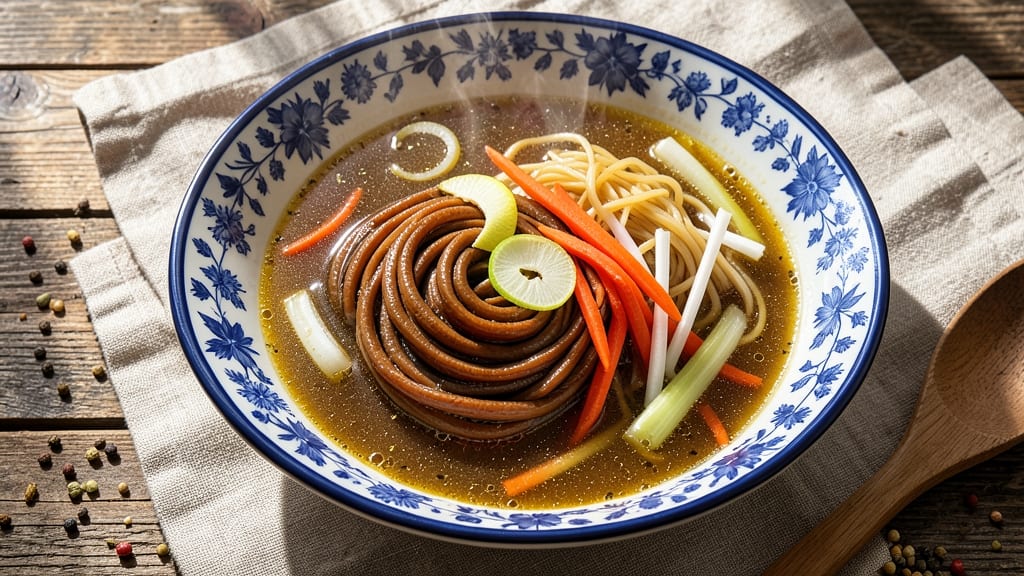
This beef tendon noodle soup recipe delivers the perfect balance of rich, collagen-packed broth and chewy tendon bites that melt in your mouth. 💛 The secret lies in slow simmering—transforming tough beef tendons into tender, flavorful morsels while building a deeply aromatic broth that warms the soul.
What makes this soup truly special is the harmony of textures: silky noodles, springy tendon pieces, and a velvety broth that coats every spoonful. The process begins with thorough cleaning and soaking of the beef tendons to remove impurities, followed by a long simmer that extracts maximum flavor and gelatin.
This isn’t just a soup—it’s a labor of love that rewards patience with a dish so comforting, it feels like a hug in a bowl. The result is a soup that’s both restaurant-worthy and deeply satisfying, perfect for chilly evenings or when you crave something hearty yet nourishing.
What sets this recipe apart is the attention to detail—from proper tendon preparation to balancing seasonings for depth without overpowering the natural beef flavor. The noodles absorb the rich broth, creating a dish that’s as visually appealing as it is delicious.
Each spoonful delivers layers of umami, savory depth, and subtle sweetness from the slow-cooked tendons. Whether you're serving a family gathering or treating yourself to a cozy meal, this beef tendon noodle soup delivers on comfort, texture, and flavor. Let's get started on creating a bowl that feels like home.
Ingredients for beef tendon noodle soup
Six servings of chewy, slow-cooked tenderness in a fragrant broth that feels like home.
| Ingredient | Amount | Notes |
|---|---|---|
| Beef Tendon 🥩 | 2 lb | Cleaned and trimmed |
| Dried Chinese Noodles 🍜 | 1 lb | Wide egg noodles preferred |
| Onion 🧅 | 1 whole | Yellow or white, sliced |
| Carrot 🥕 | 3 whole | Medium, sliced into rounds |
| Celery Stalks 🌿 | 3 whole | Cut into 2-inch pieces |
| Fresh Ginger 🌶️ | 2 tbsp | Finely grated, peeled |
| Garlic Cloves 🧄 | 6 cloves | Minced, peeled |
| Star Anise Pods 🌟 | 2 whole | Lightly crushed |
| Cinnamon Sticks 🌿 | 2 whole | 2-inch pieces |
| Dried Shiitake Mushrooms 🍄 | 4 whole | Rehydrated, sliced |
| Soy Sauce 🍶 | ¼ cup | Light or dark preferred |
| Sesame Oil 🫒 | 1 tbsp | Toasted, for finishing |
| Green Onions 🧅 | 3 whole | Sliced, for garnish |
| Salt 🧂 | 2 tsp | Kosher or sea salt |
| Black Peppercorns 🌶️ | 1 tsp | Crushed, freshly ground |
The beef tendon is the heart of this soup—look for good marbling and clean, white tendons at your local Asian market or butcher. Costco often carries pre-cleaned tendons, which saves time. If you're buying whole, soak them in cold water for 2 hours to remove impurities. The noodles? Dried Chinese egg noodles (like King Noodle brand) give that perfect chewy texture—no fresh pasta here. For the aromatics, fresh ginger and garlic make all the difference, so don't skimp. I always grab extra ginger because it keeps for weeks in the freezer once peeled and sliced.
No star anise? 1 tsp ground cinnamon plus 1/2 tsp anise seeds works in a pinch. Running out of shiitake mushrooms? Dried porcini or cremini mushrooms are great substitutes—just rehydrate them first. The soy sauce can be swapped for tamari if gluten-free, but don't use coconut aminos—it's too sweet. For the sesame oil, toasted is non-negotiable—the nutty aroma elevates everything. And if you're short on green onions, scallions or chives work just fine for garnish. The broth will taste even better the next day—trust the process.
Store the broth (without noodles) in the fridge for 4-5 days or freeze for 3 months—it's even more flavorful after resting. Keep the noodles in an airtight container for 3-4 days, but honestly, they're best fresh. I like to prep the tendons and aromatics ahead, then freeze them in a bag for up to 2 weeks—just add them straight to the pot when you're ready to simmer. The leftovers reheat beautifully—just add a splash of water to loosen the broth. And if you make a double batch? Portion into containers for easy lunches all week.
Why You'll Love This Recipe
- One-Pot Magic: I swear by this recipe because it’s actually one-pot—no skillet, no strainer, no mess. Just toss the beef tendon, veggies, and noodles into boiling water, let it simmer, and boom. The tendon melts into tender, jelly-like perfection while the noodles soak up every last bit of flavor. (Yes, even on a Tuesday night when I’d rather be scrolling than cooking.)
- Umami Bomb: That beef tendon? It’s the star—chewy at first, then dissolving into a rich, gelatinous bite that’s ridiculously satisfying. Pair it with the carrot’s natural sweetness and celery’s crisp bite, and you’ve got a broth so deeply flavorful it’ll make you forget takeout exists. Honestly, the first time I tasted this, I nearly dropped my spoon.
- Leftovers That Beg: This soup only gets better the next day. The broth thickens slightly, the noodles soften just right, and the beef tendon? Even more tender. I make a double batch on Sundays because my kids (and my lazy self) fight over the leftovers all week—no sad, soggy lunches here.
- Budget Meal, Big Payoff: Beef tendon is cheaper than steak but packs way more flavor. A few dollars’ worth of dried noodles and basic veggies stretch this into four hearty servings. Between us, this is my go-to when I need to feed a crowd without breaking the bank—or when I’m craving comfort without the guilt.
Step-by-step instructions for beef tendon noodle soup
Here's how to create a rich, aromatic broth with perfectly chewy tendon pieces.
🔥 Step 1: Parboil the Beef Tendon
Fill a large stockpot with 8 quarts cold water and bring to a boil over high heat. Add the 2 lb beef tendon and boil vigorously for 10 minutes to remove any impurities. You'll see scum rise to the surface—skim this off with a fine-mesh skimmer or ladle.
After 10 minutes, drain the beef tendon and rinse it under cold water. This step ensures your broth stays crystal clear and free from any cloudiness. Return the rinsed tendon to the same stockpot and cover with 10 quarts fresh cold water. Add the 2 whole star anise pods, 2 whole cinnamon sticks, and 2 tsp salt—these aromatic spices will infuse the broth with deep, warming flavors.
🍳 Step 2: Simmer the Broth with Vegetables and Aromatics
Bring the broth to a gentle simmer over medium-low heat. Add the 1 whole onion (sliced), 3 whole carrots (sliced into rounds), and 3 whole celery stalks (cut into 2-inch pieces). These vegetables form the classic "holy trinity" of broth-building ingredients, creating a balanced flavor foundation.
Simmer uncovered for 2 hours until the vegetables are tender and the broth develops a rich, amber color. Here's where the magic happens—the collagen in the beef tendon slowly dissolves into the broth, creating that signature silky texture. Stir occasionally to prevent any ingredients from sticking to the bottom.
👨🍳 Step 3: Add Shiitake Mushrooms and Ginger-Garlic Base
After 2 hours, add the 4 whole dried shiitake mushrooms (rehydrated and sliced) and the 2 tbsp finely grated fresh ginger. These mushrooms add an earthy umami depth, while the ginger brings bright, zesty notes to balance the richness. Let the soup simmer for another 30 minutes to allow the flavors to meld.
In the last 10 minutes of simmering, add the 6 cloves minced garlic and 0.25 cup soy sauce. The soy sauce enhances the umami and adds a subtle saltiness that complements the beef. Taste the broth and adjust seasoning with additional salt or black peppercorns if needed—it should be deeply flavorful but not overpowering.
⏰ Step 4: Cook the Noodles and Finish the Soup
While the broth simmers, prepare the 1 lb dried Chinese noodles according to package instructions. I like to cook them al dente—just 1 minute less than recommended—so they finish cooking in the hot broth. Drain and set aside, reserving 1 cup of the pasta water in case you need to adjust the broth's consistency later.
Once the broth has reached its peak flavor, remove the stockpot from heat. Add the cooked noodles and let them soak in the hot broth for 2-3 minutes to finish cooking. Stir gently to distribute the noodles evenly. Drizzle with 1 tbsp sesame oil and garnish with 3 whole sliced green onions for a pop of fresh color and mild onion flavor.
Pro Tips For Making Beef Tendon Noodle Soup
- PARBOIL TENDONS FIRST: Beef tendon is tough—don’t skip the 15-minute blanch in boiling water before simmering. I learned this the hard way when my first batch turned out chewy instead of meltingly tender. Drain and rinse to remove blood, then proceed with your broth.
- SLICE ONIONS THIN: Too many people chop onions for this soup like they’re making a stir-fry. Thinly slice them—almost translucent—so they cook into the broth instead of sitting as chunks. My grandmother swore by this, and she was right: they dissolve into sweetness.
- DON’T CROWD THE POT: If you’re using a small pot, resist the urge to pack in all the veggies at once. Overcrowding steams them instead of simmering, and you’ll end up with mushy carrots and celery. Start with half the veggies, let them soften, then add the rest.
- ADD NOODLES LAST: Dried noodles cook faster than you think—especially in hot broth. Toss them in just 2-3 minutes before serving, or they’ll turn to mush. I skip this when I’m lazy, but the dish is noticeably better when I don’t.
Perfect pairings for this dish
Side Dish Harmony
Start with steamed bok choy—its crisp-tender stems and mild bitterness contrast beautifully with the rich broth. Toss 2 heads bok choy with 1 tbsp sesame oil and a pinch of salt, then steam for 3-4 minutes until just wilted.
For extra crunch, add 1 cup bean sprouts to the soup in the last 2 minutes of cooking. 🥬
Try pickled vegetables like daikon radish or cucumber for a tangy bite. Quick-pickle 1 cup julienned daikon in 2 tbsp rice vinegar, 1 tsp sugar, and ½ tsp salt for 15 minutes—the acidity brightens every spoonful of soup.
Beverage Pairings
Sip on jasmine green tea to complement the soup’s umami depth without overpowering its flavors. A lightly chilled Loose Leaf Jasmine Tea from Harney & Sons enhances the ginger and star anise notes.
For something heartier, try a light Chinese lager like Tsingtao—its subtle maltiness pairs perfectly with the beefy richness. 🍶
If you prefer wine, a dry Riesling (like Dr. Loosen Blue Slate) offers crisp acidity that cuts through the soup’s richness. Avoid bold reds—they’ll clash with the delicate broth. For a non-alcoholic option, hibiscus tea adds a floral, slightly tart contrast.
Garnish Game-Changers
Finish with crispy fried shallots for a textural surprise. Toss ½ cup thinly sliced shallots with 1 tbsp cornstarch and fry in 2 tbsp neutral oil until golden. Sprinkle over the soup just before serving—they add a sweet, crunchy contrast. 🌟
For a smoky touch, top with toasted sesame seeds and a drizzle of chili crisp (like Lao Gan Ma). The heat from the chili crisp balances the soup’s richness, while the sesame seeds add nutty depth. Start with ½ tsp chili crisp—you can always add more!
Dipping Sauce Magic
Whisk together 2 tbsp hoisin sauce, 1 tbsp rice vinegar, and 1 tsp grated ginger for a quick dipping sauce. This sweet-savory blend enhances the soup’s flavors and adds a fun interactive element. Serve in small bowls on the side. 🍜
For a spicy kick, blend 1 tbsp sriracha, 1 tbsp soy sauce, and 1 tsp honey into a vibrant red sauce. The heat complements the tender beef tendons while adding a modern twist to this classic dish.
Nutrition facts
Frequently asked questions
Why do I need to parboil the beef tendon before simmering?
The 10-minute parboil removes impurities and surface scum that would otherwise cloud your broth. This step is crucial for a crystal-clear, restaurant-quality result. Skipping it can leave your soup with a murky appearance and off flavors.
Can I use regular beef instead of beef tendon?
While you can substitute beef chuck or brisket, you'll miss the signature chewy texture and rich gelatin that comes from beef tendon. The tendon's collagen transforms into that silky broth during simmering. For a similar effect, use beef shank or oxtail instead.
How do I know when the broth is ready?
The broth should have a deep amber color and develop a rich, meaty aroma after 2-2.5 hours of simmering. Test by tasting a small spoonful—it should be deeply flavorful but not overpowering. The vegetables should be completely tender, and the beef tendon should pull apart easily with a fork.
What if my noodles get mushy in the broth?
Cook your noodles 1 minute less than package instructions suggest, then finish them in the hot broth for just 2-3 minutes. If they still seem too soft, drain some broth and stir it into the noodles to thicken. For extra insurance, use fresh egg noodles instead of dried—they hold up better to long cooking.
Can I make this soup in an Instant Pot?
Yes, but with adjustments: Parboil the tendon traditionally first, then transfer it to your Instant Pot with all aromatics and 6 cups water. Cook on High Pressure for 90 minutes, then add vegetables and mushrooms for 10 minutes before natural release. The texture will be slightly different but still delicious—just expect a shorter simmer time.