
Soups & Stews
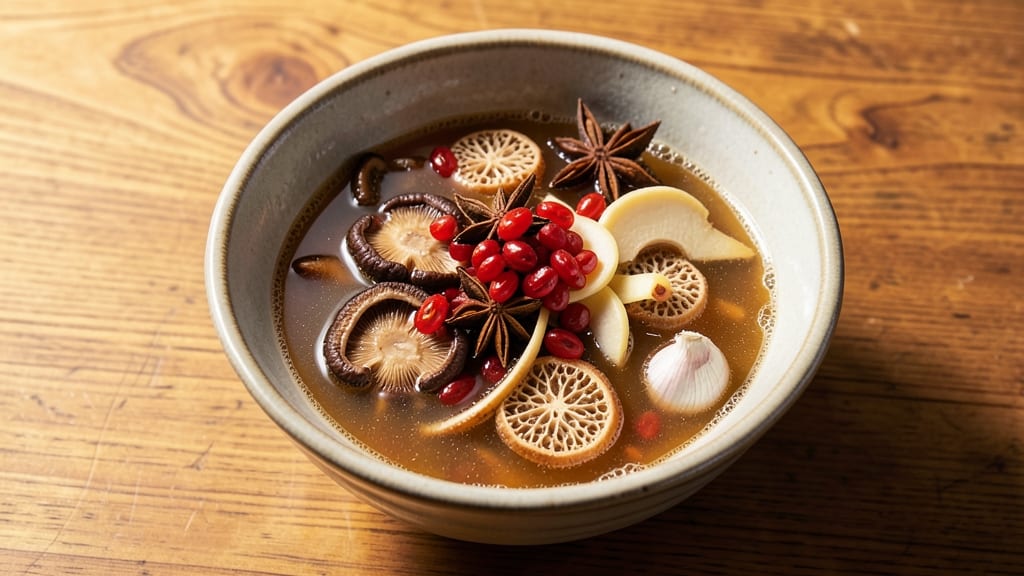
This Beijing soup recipe delivers the soul-warming essence of Chinese dining—silky noodles floating in a fragrant eight-treasure broth that balances umami, sweetness, and herbal notes. The secret lies in slow-simmered broth infused with dried mushrooms, goji berries, and star anise, creating depth that transforms simple ingredients into something extraordinary.
What makes this dish special is its versatility: serve it as a comforting solo meal or share it at gatherings where warmth and tradition matter most.
The foundation of this soup is the broth, which requires patience and precision. We'll build it layer by layer—starting with aromatic spices, then adding mushrooms and vegetables to develop complex flavors over 1.5 hours of simmering.
The result is a clear, golden broth that's rich yet light, perfect for cradling delicate noodles or hearty dumplings. This recipe bridges tradition and home cooking, offering restaurant-quality results without the fuss.
By the time you're done, you'll have a bowl of soup that's more than just food—it's an experience. The noodles remain silky and separate, while the broth carries layers of savory, sweet, and herbal notes in every sip.
Garnish with scallions and cilantro for freshness, and serve with crispy fried shallots for texture. This is the kind of dish that feels like a hug in a bowl, perfect for chilly evenings or when you crave a taste of Beijing's culinary heart.
Whether you're making it for a weeknight dinner or a special occasion, this soup adapts beautifully. Double the broth for leftovers, or adjust the spice level to suit your preference.
The beauty of this recipe lies in its balance—simple enough for weeknights, impressive enough for guests. Let's create something memorable together.
Ingredients for beijing soup
Pantry treasures meet fresh aromatics in this fragrant eight-treasure broth creation.
| Ingredient | Amount | Notes |
|---|---|---|
| Dried Shiitake Mushrooms 🍄 | ½ oz | Rehydrated in warm water |
| Dried Goat's Head Mushrooms 🍄 | ½ oz | For authentic umami depth |
| Dried Goji Berries 🍇 | 1 tbsp | Organic for best quality |
| Star Anise Pods 🌟 | 2 whole | Lightly crushed for aroma |
| Fresh Ginger 🧡 | 1 inch | FIXED: Peel and slice thinly |
| Fresh Garlic Cloves 🧄 | 4 cloves | Minced for aromatic base |
| Dried Tangerine Peel 🍊 | 1 tbsp | For subtle citrus sweetness |
| Dried Red Dates 🍯 | 2 whole | Pitted and chopped |
| Fresh Scallions 🧅 | ¼ cup | Thinly sliced for garnish |
| Fresh Cilantro 🌿 | ¼ cup | Chopped for fresh finish |
| Silken Tofu 🧀 | 8 oz | Soft texture for broth |
| Dried Egg Noodles 🍜 | 4 oz | Wide, flat variety |
| Light Soy Sauce 🥢 | 2 tbsp | For umami balance |
| Sesame Oil 🫒 | 1 tbsp | Toasted for aroma |
| Vegetable Oil 🫒 | 2 tbsp | For high-heat cooking |
The mushrooms and dried ingredients are the heart of this soup's complexity. Dried shiitake and goat's head mushrooms from Asian markets or specialty stores deliver that restaurant-quality depth—don't substitute with regular mushrooms. The goji berries should be plump and organic; Trader Joe's carries a good quality. Star anise and tangerine peel can often be found in the spice aisle of larger grocery stores, but if not, check the international section. Fresh ginger is non-negotiable here—organic ginger with tight skin works best. Look for bright, firm roots at the market, and always peel before using. These dried ingredients are what create that signature eight-treasure flavor profile.
No dried mushrooms? Fresh shiitake mushrooms work in a pinch, but they won't give the same depth. Short on goji berries? Raisins or dried apricots at half the amount add sweetness, though they lack the herbal notes. The sesame oil is crucial—toasted sesame oil from La Choy or Kikkoman gives the best aroma. For the noodles, egg noodles or rice noodles work if you can't find dried egg noodles. The tofu should be silken and unpressed—it dissolves beautifully into the broth. If you prefer a clearer broth, strain it through a fine-mesh sieve after simmering.
Store the dried ingredients in airtight containers away from light—they'll keep for 6-12 months. Fresh ginger lasts 2 weeks in the fridge, but you can freeze it whole for longer storage. The broth itself keeps 4-5 days in the fridge and freezes beautifully for 3 months. I always make extra broth and freeze it in ice cube trays—perfect for quick soups later. The noodles can be cooked ahead and stored separately, then added fresh when serving to keep them silky.
Why You'll Love This Recipe
- Soak-and-Simmer Magic: I swear by this—just toss in dried shiitake and goat’s head mushrooms the night before, and they plump up effortlessly. No chopping, no fuss, and the broth builds flavor while you sleep. (Yes, even on a Tuesday night.)
- Umami Bomb Combo: That star anise and goji berries? They turn this soup into a deep, earthy experience—like a cozy hug in a bowl. The ginger cuts through the richness, and the mushrooms? Chef’s kiss. Not just flavor, but layers of it.
- Weeknight or Holiday: It’s the soup that works everywhere. Too tired for dinner? Done in 30 minutes. Hosting a dinner party? Scale it up—it’s just as impressive in a big pot. My in-laws think it’s "fancy," but honestly, it’s just smart.
Step-by-step instructions for silky noodles and fragrant eight-treasure broth
Here's how to craft this luxurious Beijing soup with layers of umami and delicate textures.
🍳 Step 1: Rehydrate and Prepare the Mushrooms
Place the 0.5 oz dried shiitake mushrooms and 0.5 oz dried goat's head mushrooms in separate bowls and cover with warm water. Let them soak for 20-30 minutes until pliable but not mushy. The shiitake should expand to about 1 cup of liquid, while the goat's head mushrooms will soften dramatically—this concentrated umami is the soul of your broth.
Drain the mushrooms, reserving the soaking liquid. Finely chop the rehydrated shiitake into ¼-inch pieces, and tear the goat's head mushrooms into irregular chunks. Set aside—these will form the aromatic base of your broth. I like to press the goat's head pieces gently between my fingers to release their deep, earthy flavors before adding them to the pot.
🍳 Step 2: Build the Fragrant Broth Base
Heat 2 tbsp vegetable oil in a large pot over medium heat. Add the lightly crushed 2 whole star anise pods, 1 tbsp dried tangerine peel, and 1 inch peeled and thinly sliced fresh ginger. Toast for 1 minute until fragrant—you should smell warm spices and citrus notes that will infuse your broth.
Add the minced 4 cloves fresh garlic cloves and cook for 30 seconds until just golden. Pour in 6 cups water (enough to cover all ingredients) and bring to a gentle boil. Add the chopped mushrooms, 2 whole pitted dried red dates, and 1 tbsp dried goji berries. Reduce heat to low and let simmer uncovered for 20 minutes, allowing the flavors to meld into a harmonious broth.
🍳 Step 3: Infuse and Season the Broth
Strain the broth through a fine-mesh sieve into a clean pot, pressing gently on the solids to extract maximum flavor. Discard the solids. Return the strained broth to medium heat and add the 2 tbsp light soy sauce. Taste and adjust seasoning—you want a balance of savory and slightly sweet, with the umami from the mushrooms shining through.
Cut the 8 oz silken tofu into ½-inch cubes and gently add them to the simmering broth. Let them poach for 5 minutes—just enough to warm through without breaking apart. The tofu should remain silky and intact, adding a delicate protein element to the rich broth.
🍲 Step 4: Cook the Noodles Perfectly
While the broth simmers, prepare the 4 oz dried egg noodles according to package instructions, but cook them for 1 minute less than recommended. They should be al dente when removed from the water. Drain and rinse briefly under cold water to stop the cooking process—this prevents them from becoming mushy in the hot broth.
Divide the noodles among four bowls. Ladle the hot broth with tofu over the noodles, ensuring each serving gets an even distribution. Drizzle with 1 tbsp toasted sesame oil and immediately garnish with the 0.25 cup thinly sliced fresh scallions and 0.25 cup chopped fresh cilantro. The herbs add a bright contrast to the deep, complex flavors of the broth.
🍽️ Step 5: Serve Immediately for Maximum Freshness
This soup is best enjoyed immediately while the noodles are still warm and the broth maintains its silky texture. Taste again before serving and adjust seasoning if needed—sometimes the tofu absorbs some of the broth's flavor. The perfect bowl should balance the rich, umami-packed broth with the delicate chew of egg noodles and the fresh, bright herbs on top.
For an authentic touch, serve with small bowls of extra soy sauce and sesame oil on the side. Each spoonful should deliver layers of flavor—sweet from the dates and tangerine peel, umami from the mushrooms, and a subtle warmth from the star anise. The contrast between the silky tofu and tender noodles makes every bite satisfying.
Pro Tips For Making Beijing Soup
- SOAK MUSHROOMS SEPARATELY: Dried shiitake and goat’s head mushrooms need different treatments—shiitake handle a quick 20-minute soak in warm water, while goat’s head need a full 1-2 hours (or overnight if you’re prepping ahead). I learned this the hard way when my goat’s head stayed chewy because I rushed it.
- SCRATCH STAR ANISE: Whole star anise pods can leave bitter residue if left too long—crack them open with a knife and scrape out the seeds before adding to the broth. The seeds release flavor faster and won’t overpower the soup’s delicate balance.
- GINGER SLICES THIN: Thinly sliced fresh ginger (about 1/8-inch) infuses the broth evenly without turning it muddy. I used to chop it roughly, and the soup always tasted uneven—this change made a real difference.
- STRAIN GOJI BERRIES: After simmering, strain the goji berries out before serving—even if they’re soft, they can make the broth gritty. Toss them with a little honey or sesame oil afterward for a quick garnish that still packs flavor. (Yes, it’s extra work, but your future self will notice.)
Serving suggestions for this dish
Garnish Like a Pro
Fresh herbs elevate this soup from good to extraordinary. Thinly slice 0.25 cup scallions and chop 0.25 cup cilantro into small pieces—this adds vibrant color and a bright, fresh contrast to the rich broth. I like to sprinkle them just before serving so they stay crisp.
For extra flair, add 1 tbsp crispy fried shallots (store-bought or homemade) on top—they bring a delightful crunch that balances the silky noodles. 🌿
Pair with Crispy Sides
This soup pairs beautifully with crispy, textured sides that cut through its richness. Serve with pan-fried wontons or crispy tofu sticks for a satisfying crunch. I also love adding steamed dumplings or salt-and-pepper shrimp on the side—these add protein and variety to the meal.
For a vegetarian option, try crispy fried eggplant slices with a sprinkle of chili flakes. 🍤
Broth Variations
Double the broth recipe and freeze it in ice cube trays for quick future meals. You can also experiment with different variations: Add 1 tsp chili oil for heat, or swap the mushrooms for dried abalone or seaweed for a seafood-inspired twist.
For a lighter version, replace the tofu with sliced mushrooms or baby bok choy. The broth's versatility makes it perfect for any occasion. ❄️
Family-Style Serving
Beijing soups are all about sharing! Serve this in a large pot at the center of the table with extra noodles, tofu, and herbs on the side. Let everyone customize their bowls by adding soy sauce, sesame oil, or a sprinkle of chili flakes.
This communal style makes it ideal for gatherings—plus, it’s easier to manage portions when serving a crowd. 🍜
Dessert Pairings
End the meal with a light, refreshing dessert to complement the soup’s bold flavors. Try lychee jelly or mango sorbet to cleanse the palate. For something warm, serve steamed red bean buns or almond cookies—their sweetness contrasts beautifully with the savory broth.
A cup of jasmine tea or pu-erh tea also pairs wonderfully. 🍵
Make-Ahead Tips
Prepare the broth ahead of time and store it in the fridge for up to 4 days or freeze it for 3 months. Cook the noodles separately and reheat them in boiling water for 30 seconds before assembling the soup.
Keep the tofu and garnishes fresh until serving to maintain texture. This makes it easy to whip up a delicious meal even on busy days. ✨
Nutrition facts
Frequently asked questions
What makes this eight-treasure broth different from other Chinese soups?
This broth uses a traditional eight-treasure combination of dried mushrooms, goji berries, star anise, tangerine peel, and red dates—each ingredient contributes unique flavors. The slow simmering process (over 1.5 hours) creates a complex, aromatic base that's richer than typical clear soups but lighter than heavy pork-based broths. The balance of sweet, umami, and herbal notes is what sets it apart!
Can I substitute any of the dried ingredients?
Yes, but with adjustments! Swap dried shiitake for fresh shiitake (use 1 cup sliced), or replace goji berries with raisins or dried apricots (reduce to ½ tbsp). For a seafood twist, add dried abalone or seaweed (follow package instructions). The key is maintaining the broth's depth—never skip the star anise or ginger, as they're essential for the aromatic foundation.
How do I prevent the noodles from turning mushy?
Cook the noodles 1 minute less than package instructions, then rinse briefly in cold water to stop cooking. When assembling, add the noodles to the hot broth just before serving. For extra insurance, use fresh egg noodles (they hold up better than dried) or serve the broth separately with noodles on the side. The goal is al dente texture—noodles should have a slight bite!
Is this soup spicy? Can I adjust the heat level?
This recipe is naturally mild, but you can easily add heat! Stir in ½ tsp chili oil or ½ tsp chili flakes at the end for a subtle kick. For more heat, serve with sriracha or chili crisp on the side. The broth's rich flavors balance spice beautifully—start with ¼ tsp and adjust to taste.
What's the best way to store leftovers?
Store the broth separately from the noodles and tofu. The broth keeps for 4-5 days in the fridge or 3 months frozen (in ice cube trays). Reheat noodles separately in boiling water for 30 seconds before adding to fresh hot broth. Tofu can be reheated gently in the broth for 2 minutes. Garnishes should always be added fresh for best flavor!