
Soups & Stews
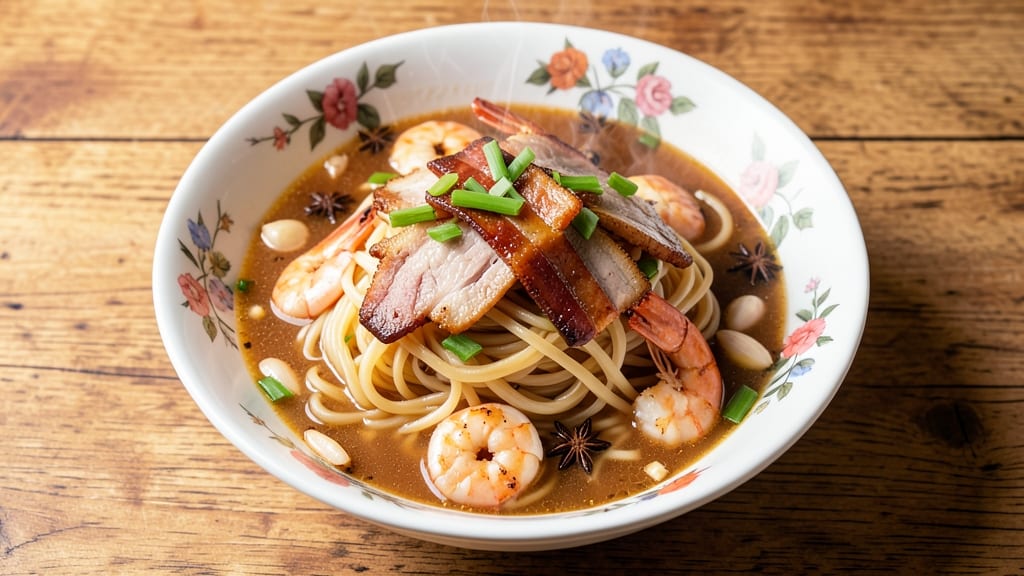
This Filipino bihon soup recipe brings the comforting warmth of home-cooked Filipino cuisine to your table with its signature crispy garlic and star anise infusion. The dish transforms silky rice noodles into a hearty, savory soup that’s both nostalgic and deeply satisfying—perfect for chilly evenings or family gatherings.
What sets this recipe apart is the aromatic balance of garlic and star anise, which infuses the broth with a fragrant depth that’s impossible to resist.
The beauty of bihon soup lies in its simplicity and versatility. You can customize it with pork, shrimp, or vegetables, but the star remains the rich, flavorful broth simmered to perfection.
The crispy garlic adds a delightful crunch, while the star anise lends a subtle, earthy sweetness that ties everything together. This is the kind of dish that feels like a hug in a bowl—familiar, comforting, and full of love.
What you’ll achieve is a bowl of soup that’s silky, aromatic, and packed with layers of flavor. The rice noodles soak up the savory broth, while the crispy garlic and star anise add texture and complexity.
It’s the kind of meal that’s easy to make but impossible to forget, especially when served with a squeeze of calamansi or a dash of patis for that authentic Filipino touch.
Whether you're serving it as a light lunch or a cozy dinner, this bihon soup is a celebration of Filipino home cooking. Let’s get started—your taste buds will thank you.
Ingredients for bihon soup recipe filipino
Silky noodles, crispy garlic, and star anise make this Filipino comfort dish unforgettable.
| Ingredient | Amount | Notes |
|---|---|---|
| Bihon Rice Noodles 🍜 | 8 oz | Dried, medium width |
| Garlic Cloves 🧄 | 12 whole | For crispy garlic |
| Star Anise 🌟 | 2 whole | For aromatic infusion |
| Pork Belly 🐖 | 8 oz | Cut into bite-sized pieces |
| Shrimp 🦐 | 8 oz | Peeled, deveined, optional |
| Vegetable Oil 🫒 | ¼ cup | For frying garlic |
| Chicken Broth 💧 | 4 cups | Homemade or quality store-bought |
| Soy Sauce 🥄 | 2 tbsp | For umami depth |
| Calamansi or Lemon Juice 🍋 | 1 tbsp | For tangy finish |
| Patis or Fish Sauce 🍶 | 1 tsp | For authentic Filipino flavor |
| Salt 🧂 | 1 tsp | Adjust to taste |
| Black Pepper 🌶️ | ½ tsp | Freshly ground |
| Green Onions 🧅 | 4 whole | Sliced for garnish |
| Sesame Oil 🫒 | ½ tbsp | For finishing touch |
The star anise and garlic are non-negotiable for that signature Filipino aroma. Whole star anise from Asian markets is best—it’s cheaper and more potent than ground. For the garlic, don’t skip the frying step; those crispy bits are what make this dish special. If you can’t find pork belly, pork shoulder or even chicken thighs work in a pinch. The noodles? Bihon is key—it’s wider than vermicelli and soaks up flavor beautifully. Look for it in the Asian aisle or order online if your store doesn’t carry it.
No star anise? Cinnamon sticks or even a pinch of anise extract can mimic its warmth, but it won’t be the same. Swap shrimp for mushrooms or tofu if you’re vegetarian, but the broth will still be the star. The patis (fish sauce) is what gives this dish its authentic kick—Red Boat or Squid Brand are my go-tos, but any good-quality fish sauce will do. For extra richness, stir in a spoonful of coconut milk at the end, but keep it to a tablespoon or two so the broth doesn’t turn creamy.
This soup tastes even better the next day—3-4 days in the fridge, honestly. The noodles soften perfectly overnight, and the flavors meld into something magical. If you’re prepping ahead, store the broth and garnishes separately, then reheat everything together. Garnish with those crispy garlic bits and a drizzle of sesame oil right before serving—trust me, it makes all the difference. Leftovers? Freeze the broth in ice cube trays for quick future meals.
Why You'll Love This Recipe
- No-Chop Needed: I swear by this—just mince the garlic and star anise, then let the pork belly and shrimp do all the work. The noodles cook in minutes, and honestly? That’s my kind of magic when I’m too tired to chop a mountain of veggies.
- Star Anise Magic: Between us, that little pod transforms everything. It’s like a secret weapon—warm, earthy, and just sweet enough to make the broth sing. The pork belly melts into rich, buttery chunks, and the shrimp? They absorb that flavor like sponges.
- Lunchbox Hero: This soup reheats like a dream, so I make a big batch on Sundays. Pack it cold for work—no soggy noodles here—and by lunchtime, the flavors only get better. My kids actually ask for leftovers. (Yes, even on a Tuesday night.)
- Budget-Friendly Feast: Pork belly and shrimp might sound fancy, but they stretch across three meals for my family. The star anise and garlic are cheap staples, and bihon noodles? A steal. It’s the kind of recipe that makes me feel like I’m feeding everyone fancy food without breaking the bank.
Step-by-step instructions for bihon soup with Filipino flavor
Here's how to create this comforting dish with layers of aroma and texture.
Prepare the Crispy Garlic Star Anise Base
Heat the 0.25 cup vegetable oil in a large pot over medium heat until shimmering but not smoking. Add the 12 whole garlic cloves and 2 whole star anise, stirring gently to prevent burning. Cook for 3-4 minutes until the garlic turns golden brown and fragrant—this is your aromatic foundation.
Watch closely as the garlic transforms from pale to deep golden. The star anise will release its warm, licorice-like aroma, filling your kitchen. Remove the garlic and star anise with a slotted spoon and set aside, leaving the fragrant oil in the pot. This step creates the signature crispy garlic flavor that makes this soup special.
Sear the Pork Belly and Shrimp
In the same pot with the garlic oil, add the 8 oz pork belly cut into bite-sized pieces. Cook over medium-high heat for 5-6 minutes, stirring occasionally, until the pork turns golden brown and crispy on the edges. Remove the pork and set aside.
In the same pot, add the 8 oz shrimp (if using) and cook for 2-3 minutes per side until they turn pink and opaque. Remove the shrimp and set aside with the pork. The residual fat in the pot will help build flavor for your broth. If you notice the shrimp cooking too quickly, reduce the heat slightly to prevent overcooking.
Build the Flavorful Broth
Pour in the 4 cups chicken broth and bring to a gentle boil. Add the 2 tbsp soy sauce, 1 tsp patis or fish sauce, 1 tsp salt, and 0.5 tsp black pepper. Stir well to combine, then return the pork belly and shrimp to the pot. Let the broth simmer for 10 minutes to infuse all the flavors together.
This simmering time allows the pork to reabsorb some of its juices and the shrimp to fully absorb the aromatic broth. Taste the broth and adjust seasoning if needed—Filipino soups should be well-seasoned but not overly salty. The broth should have a rich, umami depth from the soy sauce and patis, with a hint of warmth from the star anise.
Cook and Finish the Noodles
While the broth simmers, prepare the 8 oz bihon rice noodles according to package instructions—usually 5-7 minutes in boiling water until tender. Drain and set aside. In the same pot with the broth, add the cooked noodles and gently stir to combine. Cook for an additional 2-3 minutes to heat through.
Add the 1 tbsp calamansi or lemon juice and 0.5 tbsp sesame oil, stirring gently to incorporate. The acidity from the calamansi brightens the dish, while the sesame oil adds a nutty finish. The noodles should be silky and fully coated in the flavorful broth. If the soup seems too thick, add a splash of hot water to reach your desired consistency.
Serve with Crispy Garlic Garnish
Divide the soup among bowls, garnishing each serving with the reserved crispy garlic cloves and sliced 4 whole green onions. The contrast between the silky noodles, tender pork, and shrimp, and the crispy garlic adds both texture and visual appeal. Serve immediately while the garlic is still crispy and the broth is hot.
Each spoonful should deliver a perfect balance of flavors—savory from the pork and shrimp, umami from the soy and fish sauce, and a bright, aromatic finish from the garlic and star anise. The crispy garlic adds a delightful crunch that elevates this comforting Filipino dish to something truly special.
Pro Tips For Making Bihon Soup Recipe Filipino
- CRANK THE HEAT FIRST: I learned this the hard way—starting with a simmer means your pork belly steams instead of browning. Get that pot screaming hot before adding pork, then turn it down to medium. That crust is where all the flavor hides.
- SLICE PORK BELLY THIN: Thick slices? Forget it. Cut pork belly into ½-inch thick slabs so they cook through without turning rubbery. If you’re lazy like me, freeze it for 20 minutes first—it slices like butter.
- SOAK NOODLES JUST BEFORE ADDING: Dumping dry bihon noodles into broth makes them gummy. Soak them in warm water for 2-3 minutes first, then drain. They’ll absorb the broth perfectly without turning mushy.
- STAR ANISE: CRUSH IT: Whole star anise? Skip it. Lightly crush it with the flat side of a knife—this releases the aroma without turning the broth bitter. Toss the pieces out after 10 minutes of simmering.
Best sauces and condiments for this recipe
Crispy Garlic Oil
This golden, fragrant oil is the soul of your bihon soup—made by frying 12 whole garlic cloves and 2 star anise pods in 0.25 cup vegetable oil until deep golden brown. The key is patience: cook over medium heat for 3-4 minutes until the garlic smells irresistible but doesn’t burn.
Reserve these crispy cloves for garnish—they’ll add texture and aroma to every bite. 🌟
Patis (Fish Sauce)
Don’t skip the 1 tsp patis—this is the secret umami bomb that makes your soup taste authentically Filipino. I recommend Red Boat or Squid Brand for their clean, balanced flavor. Add it with the soy sauce when building the broth, but taste first—some brands are saltier than others.
A little goes a long way, so start with half and adjust. This is what transforms a good soup into a great one. 🍶
Calamansi Brightness
The 1 tbsp calamansi juice (or lemon in a pinch) is non-negotiable for that signature Filipino tang. Add it at the very end to preserve its bright acidity—don’t let it sit in the hot broth too long, or it’ll turn bitter.
The juice cuts through the richness of the pork and shrimp, balancing the dish perfectly. If you can’t find calamansi, Key lime juice works in a bind, but it’s not the same. 🍋
Sesame Oil Finish
A drizzle of 0.5 tbsp sesame oil right before serving adds a nutty depth that ties everything together. Heat it slightly in a small pan first to mellow its raw flavor—this prevents an overpowering taste.
Pour it over each bowl just before eating so the aroma wafts up with every spoonful. For extra richness, use toasted sesame oil from the Asian market. ✨
Green Onion Garnish
The 4 sliced green onions aren’t just for looks—they add a fresh, grassy contrast to the rich broth. Slice them thinly and scatter them over each bowl right before serving. For an extra touch, lightly char the whites in a dry pan for 10 seconds to add a subtle smokiness.
This simple garnish elevates the dish from homey to restaurant-worthy. 🧅
Optional Coconut Milk
For a creamy twist, stir in 2 tbsp coconut milk at the end—just enough to add body without making the soup too heavy. This works especially well if you’re using shrimp or mushrooms.
Use full-fat canned coconut milk for the best texture, and always add it off the heat to prevent curdling. The result? A luxurious, slightly sweet contrast to the savory broth. 🥥
Nutrition facts
Frequently asked questions
What makes this bihon soup different from regular Filipino noodle soups?
The star anise and crispy garlic infusion sets this apart—it creates a unique aromatic depth that's both sweet and savory. Unlike simpler noodle soups, this version has a complex flavor profile from the star anise's licorice notes and the irresistible crunch of fried garlic cloves. The combination of pork belly and shrimp also adds rich, meaty layers that make it heartier than typical instant noodle soups.
Can I make this soup vegetarian or vegan?
Swap the pork belly for tofu or mushrooms and use shrimp substitute (like king oyster mushrooms). For vegan broth, use vegetable broth instead of chicken broth. Keep the patis (fish sauce) for authentic flavor, but ensure it's vegan-certified if needed. The crispy garlic and star anise will still shine through beautifully.
How do I store leftovers and reheat them properly?
Store in an airtight container in the fridge for up to 3-4 days. The noodles soften overnight, making it even more comforting! To reheat, add a splash of water or broth and warm over medium-low heat until hot. Avoid microwaving—it destroys the crispy garlic texture. For extra richness, add a drizzle of sesame oil when reheating.
What if I can't find bihon noodles?
Use wide rice noodles or even egg noodles as substitutes—they'll work in a pinch. Avoid thin vermicelli as they cook too quickly and won't hold up well in the broth. If you can't find star anise, cinnamon sticks or anise extract will add similar warmth, though not identical flavor. The dish will still be delicious!
Is this soup spicy? Can I adjust the heat level?
This recipe isn't spicy by default, but you can easily add heat! Stir in ½ tsp chili flakes or a dash of sambal oelek when building the broth. For a smoky kick, add a ½-inch piece of lapu-lapu (Filipino milkfish) head to the broth while simmering—it adds natural umami and a subtle smokiness. Start with small amounts and adjust to taste.