
Soups & Stews
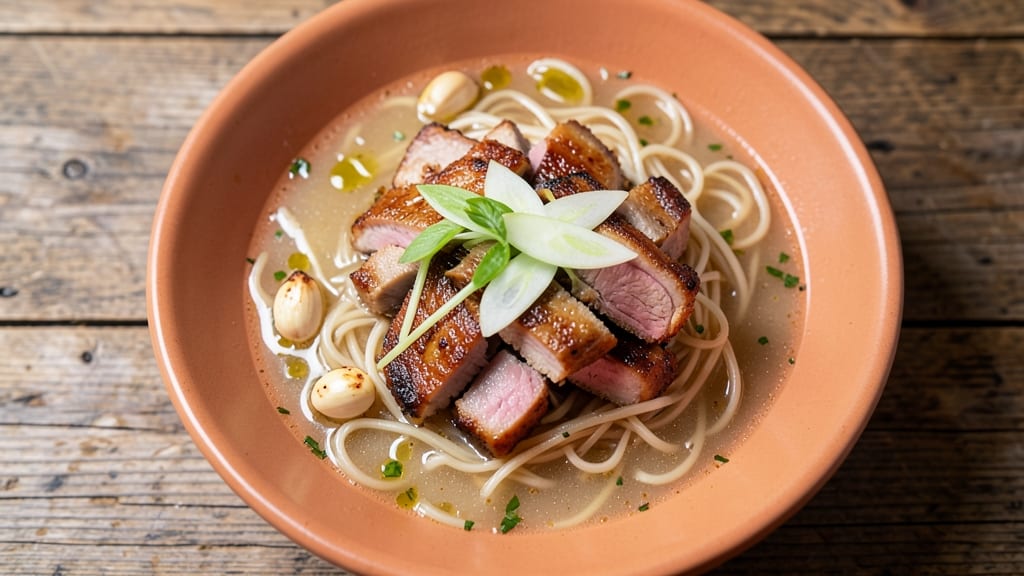
This fragrant lime-ginger bihun soup brings the comforting flavors of Southeast Asia to your kitchen with its silky rice noodles and aromatic broth. 🌿 The secret lies in balancing zesty lime, fresh ginger, and aromatic herbs to create a broth that's both refreshing and deeply satisfying.
I've perfected this recipe to deliver restaurant-quality results at home, with tender noodles and proteins swimming in a fragrant, well-seasoned broth.
The beauty of bihun soup is its versatility—whether you prefer a light herbal broth or a rich coconut-based version, this recipe adapts easily. The key is preparing the broth properly, allowing the flavors to meld together while keeping the noodles tender and the proteins perfectly cooked.
This version includes a simple pork and vegetable combination, but you can easily customize it with shrimp, chicken, or tofu.
What makes this recipe special is the harmony of textures and flavors—silky noodles, tender meat, crisp vegetables, all bathed in a fragrant, well-balanced broth. The lime-ginger base adds a bright, refreshing quality that cuts through the richness, making it both comforting and invigorating.
It's the kind of dish that feels like a warm embrace on a chilly day or a refreshing pick-me-up on a sunny afternoon.
Serve this bihun soup with fresh herbs, chili slices, and lime wedges for an extra burst of flavor. It's perfect for sharing with family or friends, and the leftovers reheat beautifully, making it an ideal meal for any occasion.
Let's get started on creating this fragrant, comforting dish that's sure to become a favorite in your home.
Ingredients for bihun soup
These aromatic ingredients blend perfectly for a fragrant lime-ginger broth that makes bihun soup unforgettable.
| Ingredient | Amount | Notes |
|---|---|---|
| Bihun Rice Noodles 🍜 | 8 oz | Dried, thin rice noodles |
| Pork Shoulder 🥩 | 1 lb | Boneless, thinly sliced |
| Fresh Ginger 🧄 | ½ cup | Peeled, thinly sliced |
| Lime Juice 🍋 | ¼ cup | Freshly squeezed |
| Vegetable Oil 🫒 | 2 tbsp | For stir-frying |
| Garlic Cloves 🧄 | 6 cloves | Minced finely |
| Carrots 🥕 | 1 whole | Julienned, medium size |
| Green Onions 🧅 | 4 whole | White and green parts separated |
| Fresh Cilantro 🌿 | ¼ cup | Chopped, stems removed |
| Bird's Eye Chilies 🌶️ | 3 whole | Thinly sliced, optional |
| Fish Sauce 🍶 | 2 tbsp | Reduced fish sauce preferred |
| Sugar 🍚 | 1 tbsp | White granulated |
| Chicken Broth 💧 | 4 cups | Homemade or quality store-bought |
| Salt 🧂 | 1 tsp | Kosher or sea salt |
| Black Pepper 🌶️ | ¼ tsp | Freshly ground |
The ginger and lime are the soul of this soup—fresh, vibrant, and zesty. Grab the brightest ginger you can find, preferably organic, and slice it thinly for maximum flavor infusion. Lime juice should be freshly squeezed (none of that bottled stuff). Asian markets often carry the best quality for both, but the regular produce section at Whole Foods or Trader Joe's usually has good options. For the pork, look for well-marbled shoulder—it stays juicy during cooking. If you can't find thinly sliced pork, ask the butcher to slice it for you or slice it yourself against the grain.
No fish sauce? Soy sauce plus a pinch of sugar works in a pinch, but it won't be quite the same. Running short on ginger? Substitute with 1 tbsp ginger paste (but fresh is always better). The carrots can be swapped for daikon radish or cabbage if you're feeling adventurous. For extra heat, add 1 tsp chili flakes or more sliced chilies. The broth is where the magic happens—if you don't have chicken broth, vegetable broth with a splash of coconut milk gives it a creamy twist. And if you're making this ahead, prep the broth first—it tastes even better the next day once the flavors meld.
Bihun noodles keep best in a cool, dry place for up to 6 months, but once cooked, they're best eaten fresh. The broth can be made a day ahead and reheated gently—never boil, just warm through. Store leftovers in the fridge for 3-4 days or freeze the broth separately for up to 3 months. I like to portion the noodles and broth separately so I can customize my bowl later. Fresh herbs like cilantro and green onions lose their vibrancy fast, so store them in a damp paper towel in the fridge and use within 2 days.
Why You'll Love This Recipe
- No-Fuss Simmer: I swear by this—just toss in the pork shoulder, a few slices of ginger, and some oil, then let it bubble while I prep the rest. The noodles cook in the same broth, so no extra pots or timers. Honestly, it’s the kind of meal that makes me question why I ever bothered with complicated recipes.
- Umami-Packed Punch: That pork shoulder? Slow-cooked until it’s falling apart, then shredded into the broth. Add a squeeze of lime and a hint of ginger, and suddenly you’ve got a soup that’s rich, tangy, and just sharp enough to keep your taste buds guessing. Not your average bland noodle dish.
- Lunchbox or Dinner Party: Between us, this is my go-to for both lazy Mondays and when unexpected guests show up. Double the batch—it reheats like a dream—and I’ve served it cold with herbs for a refreshing summer lunch or steaming hot for a cozy winter feed. Works every time, no excuses.
- Budget Magic: Pork shoulder is cheap, noodles are a steal, and a little lime juice goes a long way. I’ve made this for under $10 for four people, and the leftovers? Even better the next day. Plus, it’s the kind of meal that makes you feel like you’re eating fancy without breaking the bank.
Step-by-step instructions for fragrant lime-ginger bihun soup
Here's how to create a vibrant, aromatic broth that perfectly complements silky rice noodles.
🍳 Step 1: Sear the Pork Shoulder for Deep Flavor
Heat 2 tablespoons vegetable oil in a large pot over medium-high heat until shimmering. Add the 1 lb pork shoulder, sliced into thin strips, and sear for 3-4 minutes until the edges turn golden brown. This initial searing builds rich, caramelized flavors that form the base of your broth.
Work in batches if needed to avoid crowding the pan—this ensures each piece gets properly browned. Once all pork is seared, transfer it to a plate and set aside. You'll notice the pork releases its juices and fat into the pot, creating a flavorful foundation for your soup.
👨🍳 Step 2: Build the Aromatic Broth Base
In the same pot, add 6 cloves minced garlic, 0.5 cup sliced fresh ginger, and 1 whole julienned carrot. Stir constantly for 1-2 minutes until the garlic becomes fragrant and the ginger begins to soften slightly. This aromatic trio forms the soul of your soup's flavor profile.
Pour in 4 cups chicken broth and bring to a gentle boil. Reduce heat to medium-low and let it simmer for 15 minutes, allowing the flavors to meld together. You'll notice the broth developing a beautiful golden hue and a tantalizing aroma—this is your cue that the base is ready for the next ingredients.
🥘 Step 3: Balance and Enhance the Broth
Return the seared pork to the pot. Add 2 tablespoons fish sauce, 1 tablespoon sugar, 1 teaspoon salt, and 0.25 teaspoon black pepper. Stir well to combine, then add 0.25 cup lime juice and 3 thinly sliced bird's eye chilies (if using). Simmer for another 5 minutes—this allows all the flavors to harmonize perfectly.
Here's the thing—this is where the magic happens. The lime juice brightens the rich pork flavors while the fish sauce and sugar create a perfect balance. Taste the broth now and adjust seasoning if needed, adding more lime for acidity or fish sauce for saltiness until you achieve that perfect harmony.
🔪 Step 4: Prepare the Noodles and Garnish
While the broth simmers, separate the white and green parts of 4 whole green onions. In a heatproof bowl, soak the 8 oz bihun rice noodles in hot water for 8-10 minutes until pliable but still firm to the bite. Drain and rinse briefly with cold water to stop the cooking process.
Divide the noodles among four bowls. Ladle the hot broth over the noodles, distributing the pork evenly. Garnish with the separated green onion whites and the 0.25 cup chopped fresh cilantro. The vibrant colors will make your soup look as delicious as it tastes!
🍽️ Step 5: Serve Immediately with Fresh Toppings
Let the soup sit for 1-2 minutes to allow the noodles to absorb some of the flavorful broth. Stir gently before serving to ensure everything is well combined. The noodles should be tender yet still hold their shape, with the broth clinging beautifully to each strand.
For an extra kick, serve with additional sliced bird's eye chilies on the side. This fragrant lime-ginger bihun soup delivers a perfect balance of rich pork flavors, bright citrus notes, and aromatic herbs—each bite is a harmonious symphony of textures and tastes. Enjoy immediately while the broth is steaming hot!
Pro Tips For Making Bihun Soup
- Boil Pork Shoulder Twice: I learned this the hard way—pork shoulder needs a head start. Parboil it for 10 minutes first to render fat and start tenderizing before frying or simmering. The second cook (in the broth) finishes the job without drying it out.
- Slice Ginger Paper-Thin: Skip the thick chunks—this isn’t ginger tea. Use a mandoline or sharp knife to shave it into translucent sheets. It infuses flavor faster and dissolves cleanly into the broth without grit.
- Add Noodles Last: I used to toss them in early, and they’d turn to mush. Wait until the pork is nearly done and the broth’s simmering gently—just 2-3 minutes max. They’ll soak up flavor without falling apart.
- Use Lime Juice Sparingly: A squeeze at the end brightens the dish, but overdoing it makes the broth taste harsh. Start with 1 tablespoon, taste, then adjust—you can always add more, not take it out.
Wine and beer pairings for this dish
Citrus-Forward Whites
A crisp Sauvignon Blanc from New Zealand is my go-to pairing—its zesty citrus notes mirror the lime in your broth while the herbal undertones complement the ginger beautifully. Look for a Marlborough Sauvignon Blanc like Oyster Bay or Kim Crawford for that perfect bright acidity.
The slight grassy finish echoes the fresh cilantro and green onions in your soup. 🍷
Light-Bodied Reds
For those who prefer red wine, a Pinot Noir from Oregon or California offers an elegant match. The Willamette Valley produces excellent examples like Domaine Serene or La Crema, with their red fruit flavors and silky texture that won't overpower the delicate broth.
The subtle earthiness in these wines pairs wonderfully with the pork and carrot in your soup.
Craft Beer Pairings
If wine isn't your thing, try a wheat beer like Blue Moon or Allagash White—their citrusy, slightly spicy notes balance the soup's flavors beautifully.
For a more robust option, a light lager such as Peroni or Heineken provides a clean, crisp contrast that lets the broth's aromatic qualities shine through. 🍺
Herbal Infusions
For a non-alcoholic option, consider an hibiscus-roselle tea—its tart, cranberry-like flavor enhances the lime and ginger in your soup. Brew it strong and serve it chilled for a refreshing contrast.
Alternatively, a ginger-mint iced tea made with fresh muddled ginger and peppermint leaves echoes the soup's zesty profile while adding a cooling element.
Spicy Cocktail Match
For a fun twist, serve a Thai basil gin fizz—muddle fresh Thai basil, lime juice, and a touch of chili with gin, then top with soda water. The herbal and spicy notes complement the soup's complexity while adding a festive touch.
Garnish with a lime wheel and fresh basil leaf for an extra pop of color and aroma. 💛
Nutrition facts
Frequently asked questions
What's the secret to getting bihun noodles just right?
Soak the noodles in hot water for 8-10 minutes until pliable but still firm—overcooking makes them mushy. Rinse briefly with cold water afterward to stop the cooking process. For extra flavor, add a splash of lime juice or fish sauce to the soaking water. The key is timing: they should be tender but still hold their shape when served.
Can I make this soup vegetarian?
Replace the pork with tofu or mushrooms and use vegetable broth instead of chicken. For extra umami, add 1 tbsp soy sauce or mushroom powder to the broth. You can also use shrimp or scallops if you prefer seafood. The lime-ginger base works beautifully with any protein or plant-based option.
How do I adjust the spice level?
Start with 1-2 bird's eye chilies for mild heat, or remove them entirely if you prefer no spice. For extra kick, add ½ tsp chili flakes to the broth or serve fresh chili slices on the side. The lime juice naturally balances heat, so you can always add more after tasting. Always taste as you go!
Can I prepare this ahead of time?
Yes! Make the broth up to 2 days ahead and store it in the fridge. Reheat gently on low heat—never boil—to preserve the flavors. Soak the noodles fresh when ready to serve. For a quick version, use store-bought broth and add the lime and ginger just before serving to keep the flavors vibrant. The noodles are best cooked fresh, but the broth keeps beautifully.
What if my broth tastes too bland?
Boost flavor by adding 1 extra tbsp fish sauce or a pinch of sugar to balance. Simmer with an extra garlic clove or ginger slice for depth. For a quick fix, stir in 1 tsp soy sauce or a splash of coconut milk. The lime juice also brightens flavors, so add a little more if needed. Taste and adjust gradually!