
Soups & Stews
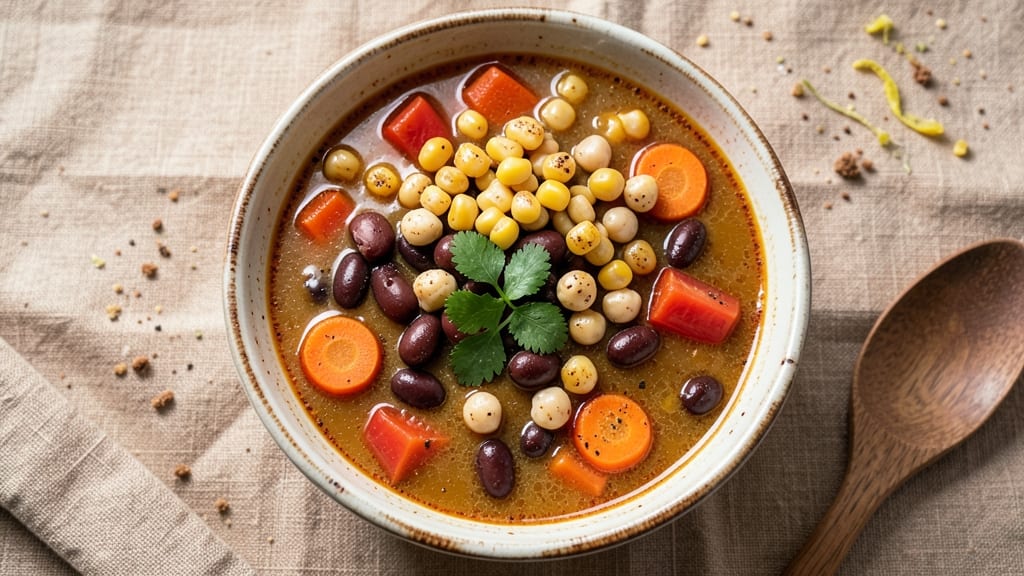
This 7-can vegetable soup recipe transforms pantry staples into a hearty, flavorful meal that comes together in just 30 minutes. The beauty of this recipe lies in its simplicity—no fresh produce required, just a few well-chosen cans that deliver bold, satisfying flavors without the hassle.
I developed this after realizing how often canned vegetables could shine when given the right seasoning and technique.
The secret to making this soup taste anything but basic is balancing the natural sweetness of the vegetables with acidity and umami. A splash of vinegar brightens the tomatoes, while soy sauce and garlic powder add depth that elevates each spoonful.
The beans provide heartiness, while corn and carrots bring natural sweetness that rounds out the flavor profile. What you end up with is a soup that's rich, comforting, and packed with texture—perfect for chilly days or busy weeknights.
What makes this recipe particularly impressive is how it maximizes the quality of canned ingredients. By simmering everything together, the flavors meld into a cohesive, restaurant-quality broth that's far more interesting than most store-bought versions.
The result is a soup that's not just filling but actually delicious—something that's often overlooked when using canned vegetables. Best of all, it's vegetarian, budget-friendly, and ready in under an hour.
This soup also serves as a fantastic base for variations. Swap in chickpeas for extra protein, add a dash of hot sauce for spice, or stir in some fresh herbs at the end for brightness.
The possibilities are endless, making it a recipe you'll want to return to season after season. Let's get started on creating this pantry-to-pot masterpiece.
Ingredients for 7 can vegetable soup
Pantry staples transformed into restaurant-quality soup with just seven cans and bold seasoning.
| Ingredient | Amount | Notes |
|---|---|---|
| Diced Tomatoes (with Juice) 🍅 | 2 cans | 15 oz each, no salt added |
| Black Beans 🌱 | 1 can | 15 oz, low sodium preferred |
| Corn Kernels 🌽 | 1 can | 15 oz, drained |
| Carrots 🥕 | 1 can | 15 oz, sliced |
| Kidney Beans 🌱 | 1 can | 15 oz, drained |
| Chickpeas 🌱 | 1 can | 15 oz, drained |
| Tomato Paste 🍅 | 1 can | 6 oz, unsweetened |
| Vegetable Broth 💧 | 4 cups | Low sodium preferred |
| Red Wine Vinegar 🍷 | 1 tbsp | For brightness |
| Soy Sauce 🍜 | 1 tbsp | For umami depth |
| Garlic Powder 🧄 | 1 tsp | Freshly ground preferred |
| Onion Powder 🧅 | 1 tsp | For savory base |
| Dried Thyme 🌿 | ½ tsp | Or 1 tsp fresh |
| Black Pepper 🌶️ | ½ tsp | Freshly cracked |
| Salt 🧂 | 1 tsp | Adjust to taste |
The canned vegetables make this recipe shine—look for no-salt-added varieties at Trader Joe's or Whole Foods to control flavor balance. I always grab the 15 oz cans for consistency, and the low-sodium broth keeps the recipe flexible for extra seasoning. The tomato paste? San Marzano is ideal, but any quality brand works. Fresh herbs aren't required, but if you've got them, basil or parsley at the end adds brightness that canned ingredients can't match.
No red wine vinegar? Apple cider vinegar or lemon juice works in a pinch. Short on soy sauce? Worcestershire (vegetarian) or coconut aminos add umami depth. The garlic powder and onion powder are non-negotiable—they build the savory foundation. For extra richness, stir in 1 tbsp nutritional yeast at the end. The beans and chickpeas provide protein, but you could swap in white beans or lentils if you prefer. Just drain and rinse them well to keep the soup from getting too thick.
This soup tastes even better the next day as flavors meld. Store in an airtight container for up to 5 days in the fridge or freeze for 3 months. I like to portion it into thermos bottles for easy lunches. For extra texture, top with crispy fried onions or a dollop of vegan sour cream before serving. The leftovers reheat beautifully—just add a splash of water if it thickens too much.
Why You'll Love This Recipe
- Pantry Magic: The second I open those seven cans—tomatoes, beans, corn—it’s like a flavor party already started. No chopping, no peeling, just dump-and-simmer magic that still tastes like I slaved over it.
- Crowd-Pleasing Crunch: That mix of black beans, kidney beans, and corn kernels? It’s the perfect textural dance—creamy beans, sweet corn, and those diced tomatoes adding just the right tang. Even my picky nephew asks for seconds.
- Leftovers That Shine: I make a double batch every Sunday because this soup only gets better after a day or two. The flavors meld, the carrots soften just right, and it’s still delicious straight from the fridge—no sad, watery aftertaste here.
- Budget-Friendly Powerhouse: Seven cans for under $5? That’s a steal. You’re feeding a family of four for less than takeout, with zero waste (I use the empty cans for storage). Honestly, this recipe changed how I grocery shop.
Step-by-step instructions for hearty 7-Can vegetable soup
This pantry-to-pot magic transforms humble cans into a rich, layered soup bursting with texture and flavor.
Build the Flavor Base
In a large pot over medium-high heat, open the 1 can tomato paste and spread it evenly along the bottom of the pot. This creates a flavorful crust that won't burn. Add the 2 cans diced tomatoes (with juice), 4 cups vegetable broth, 1 tbsp soy sauce, 1 tbsp red wine vinegar, 1 tsp garlic powder, 1 tsp onion powder, 0.5 tsp dried thyme, 0.5 tsp black pepper, and 1 tsp salt.
Bring to a gentle boil, then reduce heat to medium-low and let it simmer for 5 minutes while you prepare the remaining ingredients. This step develops the base flavors—watch for the aroma of thyme and vinegar to mingle with the tomatoes, creating that unmistakable savory foundation.
Add the Vegetables and Beans
Drain and rinse the 1 can black beans, 1 can kidney beans, and 1 can chickpeas to remove excess sodium. Add them to the simmering broth along with the 1 can sliced carrots and 1 can corn kernels. Stir gently to combine—you'll notice the beans start to soften almost immediately while the carrots maintain their shape.
Let this mixture simmer uncovered for 10 minutes on medium-low heat. You'll see the carrots begin to break down slightly and the beans absorb the rich tomato broth. This is where the soup starts taking on its signature heartiness—don't walk away, as the flavors are developing rapidly.
Simmer to Perfection
Continue simmering for another 10-12 minutes until the soup reaches your desired consistency. The liquid should coat the back of a spoon but still be slightly thick—this ensures each bite delivers both broth and vegetables. Taste and adjust seasoning if needed, adding a pinch more salt or vinegar if the flavors need balancing.
Here's the thing—this soup tastes even better after sitting for 10 minutes off the heat. The flavors meld more completely, and the beans soften further. I like to cover it loosely with a lid during this time, letting the steam work its magic without creating a steam bath that dilutes the flavors.
Final Touches and Serving
Before serving, give the soup one final stir. The beans should be tender but still hold their shape, and the carrots should be fork-tender with just a slight bite. If you prefer a smoother texture, mash a few of the beans against the side of the pot with a wooden spoon to thicken the broth slightly.
Ladle the soup into bowls and serve immediately. Each spoonful delivers the perfect balance of creamy beans, sweet corn, earthy carrots, and bright tomato broth. For extra depth, garnish with a sprinkle of fresh parsley or a drizzle of olive oil—though this soup is already packed with flavor without them.
Pro Tips For Making 7 Can Vegetable Soup
- Drain Those Beans: Black beans and kidney beans straight from the can? Drain them twice—the second rinse removes that weird metallic taste that clings to canned beans. I learned this the hard way after my soup tasted like pennies.
- Sauté Carrots First: Skip tossing everything in raw—sauté the carrots in a splash of oil for 3-4 minutes before adding liquids. They’ll soften evenly and release natural sweetness instead of turning mushy. (Yes, even if you’re impatient like me.)
- Stir the Tomatoes: Diced tomatoes with juice? Stir the can before dumping it in—those juices settle, and you’ll miss out on the flavor if you just pour. I used to ignore this and wondered why my soup tasted thin.
- Simmer, Don’t Boil: After adding all cans, keep the heat low and let it bubble gently for 10 minutes. Boiling hard turns beans to mush and breaks down the corn’s texture. (Your future self will notice the difference.)
Troubleshooting your 7 can vegetable soup
Overly Thick Soup
If your soup thickens too much during cooking, it’s usually because the beans released too much starch into the broth. To fix this, stir in ½ cup warm water or vegetable broth and simmer for another 5 minutes.
For future batches, reduce the simmering time by 2-3 minutes or add an extra ½ cup liquid at the start. I’ve found that keeping the heat at medium-low helps prevent excessive thickening.
Flat or Bland Taste
The key to vibrant flavor is balancing acidity and umami. If your soup tastes flat, add ½ tsp more red wine vinegar or ½ tsp soy sauce and simmer for 2 minutes. For depth, stir in ½ tsp smoked paprika or a pinch of nutritional yeast.
Fresh herbs like parsley or cilantro at the end can also brighten the flavor profile. Trust me, a little acidity goes a long way!
Vegetables Too Soft
If your carrots or beans turn mushy, you likely simmered the soup too long. Next time, reduce the simmering time to 10 minutes total after adding the vegetables. For extra texture, keep the beans whole and add them only 5 minutes before serving.
Corn should be tender but still hold its shape—if it’s falling apart, reduce the simmering time by 2 minutes.
Broth Too Watery
A watery broth usually means the beans weren’t drained well or the broth was over-diluted. Drain and rinse all canned beans thoroughly before adding them to the pot. If the soup is still too thin, simmer uncovered for an extra 5 minutes to reduce the liquid.
For future batches, use low-sodium broth and adjust seasoning with salt and spices instead of relying on the broth’s flavor.
Sour or Vinegary Taste
If the vinegar overpowers the soup, balance it with a pinch of sugar (¼ tsp) or a splash of ½ tsp honey. Simmer for 1 minute to let the flavors meld.
For a smoother taste, reduce the vinegar to ½ tbsp next time. The goal is brightness, not sourness—so taste as you go!
Grainy or Chunky Texture
If the soup feels too chunky, blend half the soup with an immersion blender for 10-15 seconds to create a creamy base. For a smoother texture from the start, mash ¼ of the beans against the pot’s side before adding them to the broth.
If you prefer texture, keep the beans whole but reduce the simmering time to 8 minutes to prevent over-softening.
Nutrition facts
Frequently asked questions
Can I use other canned vegetables instead of the ones listed?
Swap any of the vegetables for your favorites—try green beans, peas, or even diced bell peppers for extra color and texture. Just adjust the simmering time slightly if using denser veggies like potatoes. The key is keeping the ratio balanced: 1 can of beans for every 1 can of vegetables maintains that hearty texture.
How do I make this soup creamier without dairy?
Blend half the soup with an immersion blender for 10-15 seconds to create a silky base, then stir it back in. For extra richness, add 2 tbsp nutritional yeast or ¼ cup coconut milk at the end. The beans naturally thicken the broth, so simmering longer will also help—just watch for doneness.
Is this soup freezer-friendly?
Yes! Portion into airtight containers and freeze for up to 3 months. Thaw overnight in the fridge, then reheat on the stove with a splash of water if needed. The flavors actually deepen after freezing—perfect for meal prep. Just avoid freezing with fresh herbs or garnishes.
Can I make this soup spicier?
Add ½ tsp cayenne pepper or 1 tbsp hot sauce at the end for heat. For smoky depth, stir in ½ tsp smoked paprika with the initial spices. If you love texture, top with diced jalapeños or a sprinkle of red pepper flakes.
Why does my soup taste watery even after simmering?
This usually happens if the beans weren't drained well or the broth was too diluted. Always rinse canned beans thoroughly before adding them, and use low-sodium broth to control flavor. If it's still too thin, simmer uncovered for 5-10 extra minutes to reduce the liquid. For future batches, reduce the broth to 3½ cups instead of 4.