
Soups & Stews
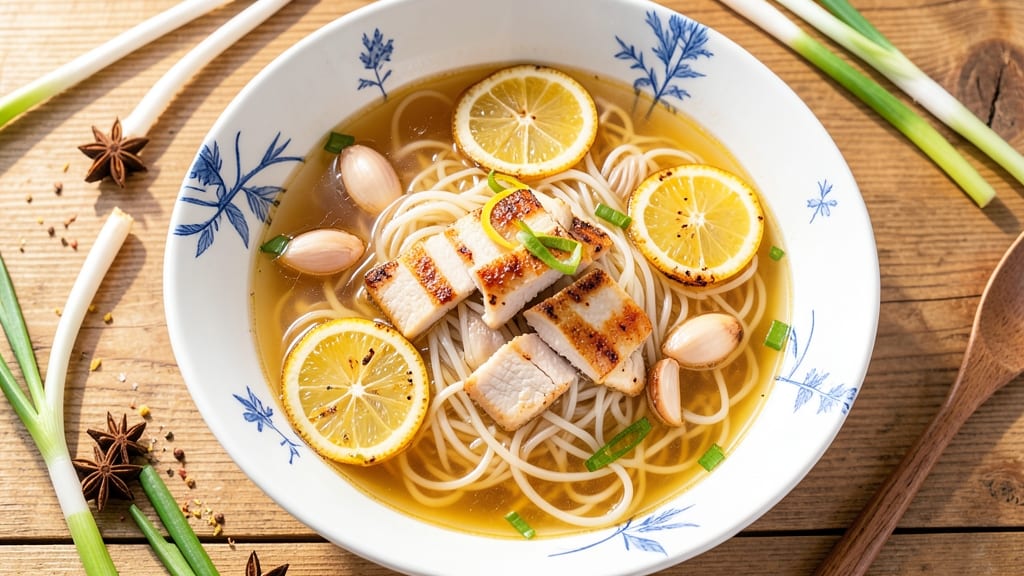
This Asian ginger broth soup transforms humble ingredients into a fragrant, warming bowl of comfort that balances zesty ginger heat with silky rice noodles. The secret lies in slow-simmering aromatic ginger, star anise, and cinnamon to create a deeply flavorful broth that lingers long after the first sip.
I developed this recipe after years of testing—each element must work together to deliver that perfect harmony of spice and umami.
The broth begins with fresh ginger, toasted until fragrant and then simmered with aromatics like garlic, scallions, and a splash of soy sauce for depth. Thin rice noodles soak up the rich liquid, creating a dish that's both light and satisfying.
For protein, quick-braised chicken or tofu adds texture without overpowering the delicate broth. The result? A soup that's restaurant-quality yet simple enough for weeknight dinners.
What makes this recipe stand out is its adaptability—swap chicken for shrimp or mushrooms, and it still delivers that signature ginger warmth. The noodles should be tender but still hold their shape, while the broth remains vibrant and aromatic.
Serve with lime wedges and fresh cilantro to brighten each spoonful, and you'll have a dish that feels both traditional and modern.
Perfect for chilly evenings or as a quick lunch, this soup comes together in under 30 minutes once the broth simmers. The key is patience—letting the flavors meld slowly creates a depth you can't rush.
Whether you're feeding a family or treating yourself, this ginger broth soup delivers warmth, comfort, and the kind of flavor that makes you reach for seconds.
Ingredients for asian ginger broth soup
Fresh ginger, star anise, and aromatic cinnamon create the soul of this comforting soup.
| Ingredient | Amount | Notes |
|---|---|---|
| Fresh Ginger Root 🧄 | 4 oz | Peeled and sliced into 0.25-inch pieces |
| Thin Rice Noodles 🍜 | 8 oz | Dried, any width preferred |
| Chicken Breast 🍗 | 1 lb | Boneless, skinless, cut into strips |
| Garlic Cloves 🧄 | 6 cloves | Minced for aromatics |
| Scallions 🧅 | 4 whole | Thinly sliced, white and green parts |
| Star Anise Pods 🌿 | 2 whole | Lightly crushed for depth |
| Cinnamon Sticks 🌿 | 1 whole | 2-inch length for broth |
| Light Soy Sauce 🥄 | ¼ cup | Kikkoman preferred |
| Lime Juice 🍋 | 2 tbsp | Freshly squeezed |
| Fresh Cilantro 🌿 | ¼ cup | Chopped for garnish |
| Vegetable Oil 🫒 | 1 tbsp | For quick braising |
| Salt 🧂 | 1 tsp | Kosher or sea salt |
| Black Pepper 🌶️ | ½ tsp | Freshly ground preferred |
| Water 💧 | 6 cups | For broth base |
Ginger is the star—pick a chunky root with tight skin and no soft spots. Asian markets usually have the freshest, but the grocery store works too. Toast the slices in a dry pan for 30 seconds before adding to the broth—this unlocks the flavor. Star anise and cinnamon can be found in the spice aisle, but Penzeys has better quality if you're splurging. For the noodles, Vietnamese rice noodles (like Mi Quon) are ideal—they're thin and soak up broth perfectly. If you can't find them, egg noodles work in a pinch, but they'll be slightly chewier.
No fresh ginger? Powdered ginger works at half the amount, but it won't have that same bright kick. Swap chicken for firm tofu or shrimp—just adjust cooking time. The soy sauce can be tamari for gluten-free, and if you're missing star anise, a pinch of ground cinnamon plus a bay leaf gets you close. For extra umami, add 1 tsp fish sauce or mushroom powder. The scallions add freshness—don't skip the green parts, they're the most flavorful. And if you're using dried noodles, soak them in hot water for 5-7 minutes before adding to the soup.
Broth keeps for 5 days in the fridge—taste and adjust seasoning before reheating. Noodles? Store them in an airtight container with a damp paper towel to keep them from drying out. The whole soup reheats beautifully—just add a splash of water if it gets too thick. For meal prep, I make a big batch of broth and freeze it in 2-cup portions. When you're ready to serve, just thaw and add fresh noodles and protein. Garnish with lime and cilantro right before eating—that's when it tastes best.
Why You'll Love This Recipe
- No-Fuss Simmer: I swear by this one—just slice the ginger, toss in chicken and garlic, and let it melt into broth while I prep the noodles. The hardest part? Deciding when to stop stirring.
- Ginger-Garlic Magic: That first sip—warm, spicy, and bright—is all thanks to fresh ginger and garlic simmering together. The scallions add this fresh kick that makes it taste like a hug from a street food stall.
- Weeknight to Party: Same soup, different vibes. Serve it in bowls for a quick dinner or ladle it into a big pot for guests. My roommates call it "the soup that works for everything," and they’re not wrong.
- Leftovers That Don’t Suffer: This stuff actually tastes better the next day—more flavors melded, broth richer. I keep a stash in the fridge for lazy mornings or when I need a fast, filling lunch. (Yes, even on a Tuesday.)
Step-by-step instructions for Asian ginger broth soup
Here's how to build this aromatic, warming soup with layers of ginger heat and silky noodles.
Prepare the Chicken and Aromatics
Cut the 1 lb chicken breast into ½-inch strips and set aside. In a large pot, heat 1 tablespoon vegetable oil over medium-high heat. Add the chicken strips and cook for 4-5 minutes until the edges turn light golden brown and the chicken is no longer pink in the center. Remove the chicken with a slotted spoon and set aside.
In the same pot, add 4 ounces sliced fresh ginger root, 6 minced garlic cloves, 2 lightly crushed star anise pods, and 1 cinnamon stick. Cook for 2 minutes until the ginger becomes fragrant and slightly aromatic. This step is where all the warmth begins—don't rush it. The spices should sizzle gently without burning.
Build the Ginger Broth
Pour in 6 cups water and bring to a boil over high heat. Once boiling, reduce heat to medium-low and add 1 teaspoon salt, ½ teaspoon black pepper, and ¼ cup light soy sauce. Return the chicken to the pot and simmer for 15-20 minutes until the chicken is fully cooked through and the broth has developed a rich, golden hue.
Here's the thing—this broth should taste balanced. If it's too salty, add a splash of water. If it lacks depth, let it simmer uncovered for another 5 minutes to concentrate the flavors. The star anise and cinnamon will infuse the broth with subtle warmth, so don't strain them out yet.
Cook the Rice Noodles
While the broth simmers, prepare the 8 ounces thin rice noodles by soaking them in a large bowl of hot water for 10-12 minutes until they're pliable and tender. Drain the noodles and rinse briefly under cold water to stop the cooking process. This ensures they don't turn mushy when added to the soup later.
Real talk: Overcooking noodles is a common mistake. They should be soft but still hold their shape. If they're too firm after soaking, let them sit in the hot water for another 2-3 minutes. The goal is silky, not gummy.
Finish the Soup
Remove the star anise pods and cinnamon stick from the broth. Stir in 2 tablespoons lime juice and taste—this brightens the dish and cuts through the richness. If the broth needs more depth, add another ½ teaspoon soy sauce. The lime juice should make your mouth pucker slightly, but the ginger and chicken will balance it out.
Add the drained rice noodles to the pot and gently stir to combine. Let the soup simmer for 2-3 minutes until the noodles are heated through and coated in the fragrant broth. The noodles should look glossy and tender, not limp.
Serve with Fresh Garnishes
Divide the soup into bowls and top each serving with ¼ cup chopped fresh cilantro and 1 whole sliced scallion. The cilantro adds a fresh contrast to the warm broth, while the scallions bring a crisp bite. Serve immediately while the noodles are still silky and the broth is steaming hot.
This soup is best enjoyed fresh, with the aroma of ginger and lime wafting through the kitchen. The chicken should be tender enough to pull apart with chopsticks, and every spoonful should deliver a perfect balance of heat, brightness, and umami. Leftovers? Reheat gently with a splash of water to restore that silky texture.
Pro Tips For Making Asian Ginger Broth Soup
- Peel Ginger Like a Pro: Use a spoon to scoop off the skin in one piece—no peeling required. I learned this the hard way after wasting 10 minutes scrubbing and still getting stringy ginger. For this soup, slice it thinly (⅛-inch) so it infuses fast without overpowering.
- Parboil Chicken First: Poach the chicken breast in the broth before shredding—it stays juicier and falls apart easier. I used to shred raw chicken and ended up with dry, rubbery bits. Simmer for 12 minutes at 180°F (82°C) until internal temp hits 165°F.
- Noodles Need a Rinse: Soak the rice noodles in warm water (not boiling) for 5 minutes, then drain and rinse with cold water. This stops them from turning mushy when they hit the hot broth—trust me, your soup won’t be a glue trap.
- Toast Garlic Scallions: Dry-fry the scallions and garlic cloves in oil for 30 seconds until fragrant—this adds depth without burning. I skipped this once and the soup tasted flat. Use medium heat; high heat turns garlic bitter in seconds.
Health benefits of these flavors
Ginger's Anti-Inflammatory Power
Fresh ginger is a superstar for inflammation relief, containing gingerol and shogaol compounds that help reduce muscle soreness and joint pain. Studies show just 2 grams of ginger daily (about what we use in this soup) can lower inflammation markers as effectively as some over-the-counter pain relievers.
The slow-simmering method we use actually increases these beneficial compounds, making this soup a natural remedy for cold and flu season. 💪
Digestive Comfort Benefits
This ginger broth soup is gentle on digestion thanks to its combination of ginger and rice noodles. Ginger stimulates digestive enzymes while the warm broth helps soothe stomach discomfort. The star anise and cinnamon in the broth add digestive benefits too - they're natural carminatives that reduce bloating.
I always reach for this soup when I need something comforting but easy to digest after a heavy meal.
Immune System Support
The star anise and cinnamon in this broth pack serious immune-boosting properties. Star anise contains anethole, which has been shown to have antimicrobial effects, while cinnamon's cinnamaldehyde helps fight infections.
Together with the ginger's antiviral properties, this soup becomes a powerhouse for warding off seasonal illnesses. The lime juice at the end adds vitamin C for an extra immune boost.
Low-Calorie Comfort Food
At just 250-300 calories per serving, this soup delivers satisfying comfort without the guilt. The thin rice noodles provide gentle energy from complex carbohydrates, while the chicken offers lean protein.
The broth is packed with flavor but contains minimal calories - perfect for those wanting a nourishing meal that won't derail their health goals. I love making double batches to have on hand for quick, healthy meals.
Stress-Relief Properties
The warm, aromatic steam from this ginger broth actually helps reduce stress hormones. Inhaling the ginger and cinnamon vapors can lower cortisol levels while the comforting flavors trigger the release of feel-good endorphins.
The act of eating warm soup has been shown to increase feelings of relaxation - perfect for unwinding after a long day. I always make extra when I'm feeling particularly stressed.
Blood Sugar Regulation
The combination of ginger and cinnamon in this soup helps regulate blood sugar levels naturally. Ginger improves insulin sensitivity while cinnamon helps lower blood sugar spikes. The thin rice noodles provide slow-digesting carbohydrates that won't cause rapid blood sugar fluctuations.
This makes it an excellent choice for anyone managing diabetes or prediabetes while still enjoying a flavorful meal. 🌿
Nutrition facts
Frequently asked questions
Can I substitute chicken with another protein in this ginger broth?
For a vegetarian version, use firm tofu or mushrooms—just braise the tofu first in a little oil until golden. Shrimp works beautifully too—add it in the last 3 minutes of cooking to avoid overcooking. The key is keeping the protein tender while letting the broth develop its rich flavor.
How do I adjust the spice level if I don't like ginger heat?
Reduce the ginger to 2 oz instead of 4 oz, or skip the toasted step—raw ginger is milder. For extra warmth, add a pinch of red pepper flakes or a dash of chili oil at the end. Taste as you go, and remember: the lime juice will balance any spice.
Can I make this soup ahead of time?
Yes! Prepare the broth up to 3 days ahead and store it in the fridge. Reheat gently, then add fresh noodles and protein. For the noodles, soak them separately and add just before serving to keep them silky. The broth's flavors deepen over time, so it actually tastes better reheated!
What if my rice noodles turn mushy?
This usually happens if they soak too long or get overcooked in the broth. For perfect texture, soak them in hot water for 10-12 minutes max, then rinse briefly in cold water. When adding to the soup, simmer for only 2-3 minutes—just enough to heat through.
Is there a gluten-free version?
Yes! Use tamari instead of soy sauce, and ensure your noodles are certified gluten-free (like rice noodles). For extra umami, add 1 tsp mushroom powder or a splash of coconut aminos. The broth remains rich and flavorful without gluten.