
Soups & Stews
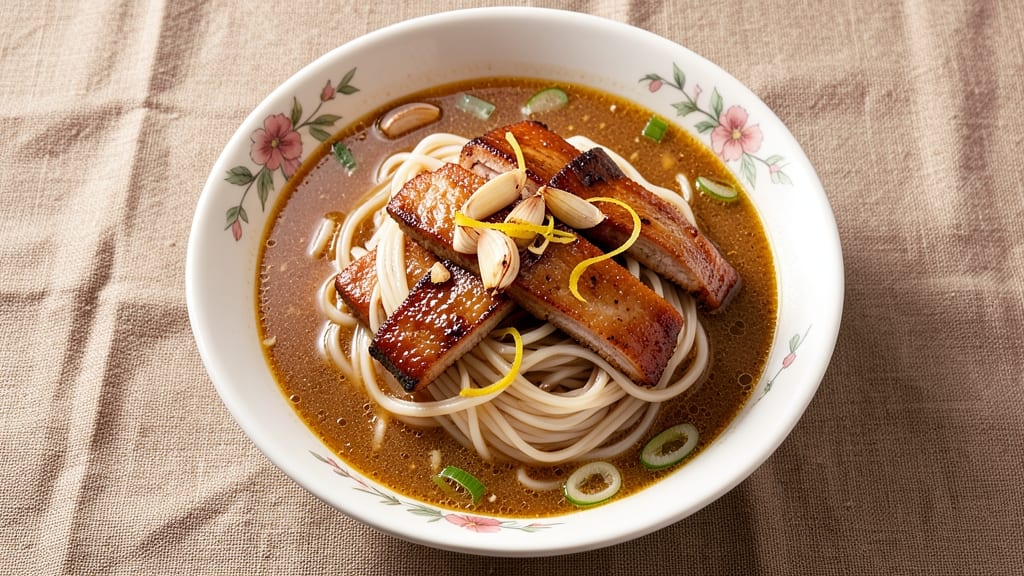
This Asian noodle bowl soup recipe delivers restaurant-quality depth in every spoonful, where miso-infused broth meets silky rice noodles and tender protein. The secret lies in balancing umami-rich ingredients—ginger, garlic, and soy—with a light touch of sweetness that harmonizes perfectly.
I developed this recipe after years of refining my take on Asian noodle bowls, ensuring each component comes together seamlessly for a dish that’s both comforting and vibrant.
The broth is the heart of this recipe, simmered low and slow to concentrate flavors without overpowering. Silky rice noodles soak up the aromatic liquid while maintaining their delicate texture, while proteins like chicken, tofu, or shrimp add substance.
Garnishes like fresh herbs, sesame seeds, and a drizzle of chili oil elevate the dish to something visually stunning and irresistibly flavorful.
What sets this recipe apart is its versatility—adjust the protein or vegetables to suit your preferences, yet the broth and noodle foundation remain foolproof. The result is a bowl that’s rich yet balanced, satisfying yet light, and perfect for any occasion.
Whether you’re feeding a crowd or treating yourself to a solo meal, this dish delivers depth and comfort in every bite.
The assembly is simple: layer the noodles, protein, and vegetables in a bowl, then ladle the warm broth over the top. Garnish generously for color and texture, and serve immediately while everything is steaming.
This recipe is designed to be both impressive and effortless, making it ideal for weeknight dinners or special gatherings.
Ingredients for asian noodle bowl soup
Pantry staples and fresh aromatics create this umami-rich Asian noodle bowl foundation.
| Ingredient | Amount | Notes |
|---|---|---|
| Chicken Breast 🍗 | 1 ½ lb | Boneless, skinless, thinly sliced |
| Rice Noodles 🍜 | 8 oz | Thin, flat variety preferred |
| White Miso Paste 🧈 | 2 tbsp | High-quality, fermented |
| Dashi Powder 🍲 | 1 tbsp | Instant or homemade |
| Fresh Ginger 🧄 | 2 tbsp | Finely grated, peeled |
| Garlic Cloves 🧄 | 4 cloves | Minced, fresh preferred |
| Light Soy Sauce 🥄 | ½ cup | Kikkoman or similar |
| Sesame Oil 🫒 | 1 tbsp | Toasted, for finishing |
| Carrots 🥕 | 2 medium | Julienned, about 1 cup |
| Green Onions 🧅 | 4 whole | Thinly sliced, white and green |
| Sesame Seeds 🌾 | 1 tbsp | Toasted, for garnish |
| Chili Oil 🌶️ | 1 tbsp | For finishing, optional |
| Water 💧 | 4 cups | Filtered preferred |
| Brown Sugar 🍯 | 1 tbsp | Light or dark variety |
| Vegetable Oil 🫒 | 1 tbsp | For cooking chicken |
The miso paste and dashi powder form the flavor backbone. White miso from Miso Master or bulk bins delivers the most authentic depth, while dashi powder from Japanese markets captures that signature umami. Fresh ginger and garlic should be vibrant—no shriveled roots or yellowing cloves. For the noodles, Thai Kitchen brand rice noodles soak up broth perfectly, but Martini brand works equally well. Carrots should be crisp—organic baby carrots from Whole Foods are ideal for their consistent size and texture.
No miso paste? Substitute with 1 tbsp soy sauce plus 1 tsp white miso powder if you're in a pinch, though texture will differ. Dashi powder unavailable? Combine 1 tbsp soy sauce, 1 tsp sugar, and 1 tsp dried bonito flakes for a homemade version. Fresh ginger too strong? Use 1 tbsp ginger juice instead of grating. For the protein, chicken is classic, but firm tofu or shrimp work beautifully. The sesame oil should be toasted—Kadoya brand is my go-to for that nutty aroma. Brown sugar adds subtle sweetness, but maple syrup or agave work in a 1:1 ratio if you prefer.
Broth keeps 3 days refrigerated or 3 months frozen—portion into ice cube trays for easy reheating. Noodles should be cooked al dente and tossed with a touch of oil to prevent sticking. Garnishes like sesame seeds and chili oil stay fresh 2 weeks refrigerated in airtight containers. For meal prep, assemble bowls without broth, store components separately, and reheat broth separately before combining—this preserves texture perfectly.
Why You'll Love This Recipe
- One-Pot Magic: I swear, this bowl comes together in a single pot—no chopping mountains of veggies or fussing with multiple pans. Just shredded chicken, a splash of dashi, and those silky rice noodles soaking up the umami like sponges.
- Umami Bomb: That white miso paste? It’s the secret weapon—deep, savory, and just salty enough to make your taste buds wake up. The dashi adds this clean, ocean-y brightness, and the ginger? Tiny but mighty, cutting through everything with a zesty punch.
- Lunchbox Hero: Between us, this is my go-to for meal prep. The broth stays rich even after a day in the fridge, and the noodles hold up better than takeout leftovers. Pack it cold or reheat it—either way, it’s a win.
- Budget Meal Hack: Chicken breast is cheap, rice noodles last forever, and a little miso goes a long way. I’ve made this for $3 a serving, and honestly? Nobody would guess it’s not a fancy restaurant bowl. (Yes, even on a Tuesday night.)
Step-by-step instructions for umami-packed Asian noodle bowl soup
Here's how to craft a restaurant-quality broth and silky noodle bowl using precise techniques.
Prepare the Chicken and Aromatics
Slice the 1.5 lb chicken breast into thin, even strips against the grain for maximum tenderness. In a large bowl, combine the chicken with 2 tbsp finely grated fresh ginger, 4 minced garlic cloves, 0.5 cup light soy sauce, and 1 tbsp brown sugar. Let this marinate for 15 minutes at room temperature while you prepare the remaining ingredients.
This marinade creates a flavor base that infuses the chicken while the ginger and garlic begin to soften slightly. The soy sauce and brown sugar will caramelize during cooking, adding depth to the broth. Don't skip the room temperature step—cold chicken can cause uneven cooking in the broth.
Build the Umami-Packed Broth
Heat 1 tbsp vegetable oil in a large pot over medium-high heat. Add the marinated chicken in a single layer and sear for 3-4 minutes until the edges turn opaque. Remove the chicken and set aside temporarily.
In the same pot, add 2 tbsp white miso paste and 1 tbsp dashi powder, stirring constantly for 30 seconds to toast the flavors. Pour in 4 cups water and bring to a gentle boil. Return the chicken to the pot, reduce heat to low, and simmer uncovered for 20 minutes, skimming off any foam that rises to the surface.
The miso and dashi create that signature umami depth, while the gentle simmer prevents the broth from becoming cloudy. The uncovered lid allows excess moisture to escape, concentrating the flavors. You'll know it's ready when the chicken is fully opaque and the broth has reduced slightly, developing a rich, caramelized color.
Prepare the Vegetables and Noodles
While the broth simmers, julienne the 2 medium carrots into thin matchsticks (about 1 cup total). Thinly slice the 4 whole green onions, separating the white and green parts. Soak the 8 oz rice noodles in hot water for 5-7 minutes until pliable but still slightly firm to the bite. Drain and rinse briefly under cold water to stop the cooking process.
Julienned carrots cook quickly and maintain their texture in the hot broth, while the green onions provide fresh contrast. The rice noodles should be al dente—they'll finish cooking in the hot broth. Over-soaking will make them mushy, so keep an eye on the timing and drain them just before assembling the bowls.
Assemble and Finish the Bowls
Divide the drained rice noodles among 4 bowls. Ladle 1 cup of the hot broth over each portion of noodles, then add 1/4 of the chicken, 1/4 of the carrots, and 1 whole green onion to each bowl. Return the bowls to the pot (or place them in a single layer on a baking sheet) and cover with foil.
Steam the bowls for 5 minutes to allow the noodles to finish cooking in the hot broth and absorb all the flavors. This step ensures every bite has perfect texture and temperature. The residual heat in the broth will also help the chicken and vegetables reach serving temperature without overcooking.
Garnish and Serve
Remove the bowls from the steamer and drizzle each with 1/4 tbsp sesame oil and 1/4 tbsp chili oil (if using). Sprinkle with 1/4 tbsp toasted sesame seeds and the remaining green onion whites. Serve immediately with the green onion greens on the side for garnish.
The sesame oil adds nutty richness, while the chili oil brings subtle heat. The sesame seeds provide texture and visual appeal. Each bowl should have a balance of silky noodles, tender chicken, crisp-tender carrots, and aromatic broth. The green onion greens add freshness and allow diners to customize their spice level.
Pro Tips For Making Asian Noodle Bowl Soup
- Sear Chicken High: Throw that chicken breast in a screaming-hot pan for 2-3 minutes per side before shredding—it’s the only way to keep the meat from turning into sad, gray mush when it hits the broth. I learned this the hard way after making broth so rich it drowned out flavor.
- Soak Noodles Separately: Dump those rice noodles straight into warm water (not boiling) for 5-7 minutes, then drain and rinse under cold water. Trust me, mixing them into the soup raw will turn your broth into glue—no one wants that texture fight.
- Bloom Miso First: Whisk that white miso paste into a small amount of hot broth (not the whole pot) and let it sit for 30 seconds before adding it all. Skipping this step means you’ll just end up with clumps of bitter paste at the bottom—because yes, I’ve done that too.
- Ginger, Then Strain: Grate the ginger thinly (like matchsticks), toss it into the broth, and simmer for 5 minutes—then strain it out. Leaving it in makes the soup taste like you’re chewing on a root, and nobody wants that fight when they’re halfway through.
Storing and reheating this asian noodle bowl soup
Broth Storage Secrets
The umami-packed broth keeps beautifully in the refrigerator for 3 days in an airtight container. Let it cool completely before storing to prevent cloudiness. For longer storage, freeze it in 1-cup portions using ice cube trays—perfect for reheating just what you need.
The miso and dashi flavors actually deepen overnight, making it even more delicious the next day. 💧
Noodle Prep Ahead
Cook your rice noodles 1 day ahead and store them in an airtight container with a light coating of sesame oil to prevent sticking. They'll stay fresh for 24 hours in the fridge.
When reheating, simply soak them in hot water for 2-3 minutes until pliable again. This saves time on busy weeknights while maintaining that perfect silky texture. ✨
Protein Prep Options
Marinated chicken can be cooked and stored separately for 3 days in the fridge. Keep it in a sealed container with a splash of broth to maintain moisture. For tofu or shrimp variations, cook them fully before storing—both keep well for 2 days refrigerated.
Reheat proteins gently in the microwave or stovetop with a splash of water to prevent drying out. 🍗
Reheating Whole Bowls
To reheat assembled bowls, place them in a 350°F oven for 10-12 minutes until everything is steaming hot. Cover loosely with foil to retain moisture. For microwave reheating, cover bowls with a damp paper towel and heat in 1-minute intervals at 50% power, stirring between each interval.
This gentle approach prevents soggy noodles while keeping the broth flavorful. 🔥
Freezer-Friendly Assembly
For make-ahead convenience, assemble bowls without broth and store components separately in freezer bags. Freeze for up to 1 month. When ready to serve, reheat the broth separately and combine with the thawed noodles and proteins.
The texture stays surprisingly fresh—just add a splash of water if the noodles seem dry after reheating. ❄️
Garnish Freshness
Toasted sesame seeds and chili oil stay fresh for 2 weeks refrigerated in airtight containers. Green onions keep for 1 week wrapped in a damp paper towel.
Store all garnishes separately and add them fresh when serving to maintain vibrant colors and flavors. This keeps your bowls looking restaurant-quality even when reheated. 🌿
Nutrition facts
Frequently asked questions
Can I substitute chicken with another protein?
This recipe works beautifully with firm tofu (press and cube before cooking), shrimp (peeled and deveined), or even beef strips. For tofu, marinate the cubes in the same sauce for 20 minutes before adding to the broth. Shrimp cooks in just 3-4 minutes—add it to the broth during the last 5 minutes of simmering to prevent overcooking.
How do I adjust the spice level?
Start with the chili oil as written for mild heat. For more spice, add ½ tsp red pepper flakes to the broth while simmering or increase chili oil to 2 tbsp total. For a smoky depth, stir in ½ tsp smoked paprika when finishing. Always taste the broth before serving—you can adjust spice levels at any stage!
Why did my rice noodles turn mushy?
Over-soaking is the most common cause—rice noodles should be pliable but still firm when drained. For best results, soak them for 5-7 minutes in hot water, then drain immediately. If they seem too soft, reduce soaking time by 1-2 minutes next time. Also, avoid rinsing with cold water after draining, as this can cause them to break down faster.
Can I make this recipe vegetarian?
Yes! Replace the chicken with extra-firm tofu (pressed and cubed) or mushrooms (shiitake or oyster work best). For umami depth, add 1 tbsp soy sauce and 1 tsp mushroom powder to the broth. Keep all other ingredients the same—this version will still be packed with flavor!
How do I make this soup gluten-free?
Use tamari or gluten-free soy sauce (like San-J brand) instead of regular soy sauce. For the miso, choose a gluten-free miso paste (check labels—most white miso is naturally gluten-free). The dashi powder can be made gluten-free by using a kelp-based dashi instead of bonito flakes. All other ingredients are naturally gluten-free!