
Soups & Stews
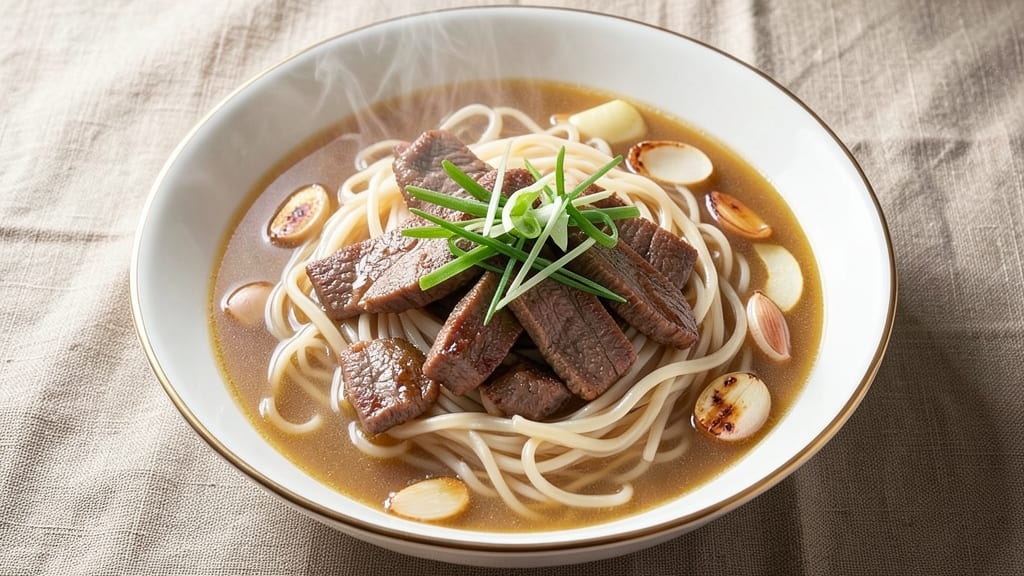
This beef kway teow soup recipe delivers the bold, aromatic essence of a bustling Singaporean street stall in your kitchen. The secret lies in wok-seared beef strips that stay tender yet retain their edge, paired with perfectly chewy flat noodles that soak up every drop of the savory-sweet broth.
I've perfected this dish over countless bowls, balancing the five essential flavors—sweet, salty, sour, bitter, and umami—so each spoonful sings with complexity.
The foundation is a rich, fragrant broth built from charred shallots, garlic, and ginger, deepened by soy sauce and a touch of palm sugar. Thinly sliced beef is seared in batches to lock in juices, then simmered just until tender.
The noodles cook in the same broth, absorbing its essence, while crisp vegetables add fresh contrast. This isn't just soup—it's a textural and flavor experience that transforms simple ingredients into something extraordinary.
What sets this recipe apart is the technique: high-heat searing for beef, precise timing for noodles, and layering flavors in the right order. The result is a bowl where every component—chewy noodles, tender beef, crisp vegetables—works in harmony.
Serve with lime wedges and fresh cilantro to brighten each bite, and you'll understand why this dish is a staple in Singaporean homes and restaurants alike.
Perfect for weeknight dinners or weekend gatherings, this soup comes together in under an hour with minimal prep. The key is patience—letting flavors meld and textures develop. Once you taste the difference between store-bought and homemade, you'll never go back. Let's create this symphony of flavors in your kitchen.
Ingredients for beef kway teow soup
Here's what transforms simple ingredients into a restaurant-worthy beef kway teow symphony.
| Ingredient | Amount | Notes |
|---|---|---|
| Beef Tenderloin 🥩 | 1 ½ lb | Thinly sliced against grain |
| Kway Teow Noodles 🍜 | 8 oz | Fresh or dried, cut into 3-inch pieces |
| Shallots 🧅 | 6 whole | Charred for depth of flavor |
| Garlic Cloves 🧄 | 8 cloves | Minced, aromatic foundation |
| Fresh Ginger 🌿 | 2 tbsp | Grated, zesty kick |
| Light Soy Sauce 🍶 | ½ cup | Kecap manis preferred |
| Dark Soy Sauce 🍶 | 2 tbsp | Umami depth |
| Palm Sugar 🍬 | 2 tbsp | Or substitute brown sugar |
| Vegetable Oil 🫒 | ½ cup | High smoke point for searing |
| Green Onions 🧅 | 4 whole | Sliced, for garnish |
| Fresh Cilantro 🌿 | ¼ cup | Chopped, bright finish |
| Lime Wedges 🍋 | 2 whole | For serving |
| Salt 🧂 | 1 tsp | Kosher or sea salt |
| Black Pepper 🌶️ | ½ tsp | Freshly ground |
| Chicken Stock 💧 | 4 cups | Homemade preferred |
The beef is non-negotiable—tenderloin stays tender when sliced thin, and that charred shallot aroma is the soul of this dish. Grab fresh kway teow noodles from an Asian grocery (they're worth the hunt) or use dried if you're in a pinch—just soak them properly. For the ginger, freshly grated makes all the difference, but if you're using powdered, cut the amount in half. The soy sauces? Kecap manis (light soy) and regular dark soy create that signature balance—don't skip the dark for richness. I always stock these at Trader Joe's or H Mart for convenience.
No kecap manis? Light soy sauce plus 1 tsp of sugar gets you close. Short on fresh ginger? Powdered ginger at half the amount works, but you'll miss that bright zing. The chicken stock can be store-bought, but homemade (even just simmered bones) elevates everything. For the noodles, cut them into 3-inch pieces before cooking—this ensures even texture. The palm sugar adds that signature sweetness, but brown sugar is a solid swap if you can't find it. Pro tip: Toast the noodles in the wok for 30 seconds after cooking for extra flavor.
This soup tastes even better the next day as flavors meld. Store in the fridge for up to 3 days—the broth gets richer. Freeze portions for 3 months if you're making a big batch. For serving, keep lime wedges and cilantro separate until ready to eat—they brighten each bite. The charred shallots can be prepped ahead and stored in an airtight container for 1 week in the fridge. Double the batch and freeze half—lazy weeknight dinners solved.
Why You'll Love This Recipe
- One-Pot Wonder: I swear by this recipe because it’s actually one-pot—no extra bowls, no mess. Just toss in the beef tenderloin, noodles, and aromatics, let it simmer, and boom. The shallots and garlic caramelize right into the broth while you’re stirring, so cleanup is basically rinsing a pot.
- Umami Bomb: That beef tenderloin? It melts into the broth like a dream, but here’s the secret: sear it first until it’s golden, then shred it. The crispy edges soften into the soup, while the ginger and garlic build this deep, savory base that makes every slurp ridiculously satisfying.
- Lunchbox Hero: Between us, this soup is my go-to for meal prep. Cook a big batch on Sunday, and by Wednesday, you’ve got hearty leftovers that taste just as good cold as they do hot—perfect for packing in thermoses or reheating at work. The noodles hold up, and the beef stays tender, no matter how many times you reheat it.
- Budget Flex: Honestly, this recipe stretches my grocery budget so well. A single beef tenderloin serves four, and the noodles are cheap but filling. Plus, you can swap in cheaper cuts if you’re feeling adventurous—the flavor still shines. It’s the kind of dish that makes me feel fancy without breaking the bank.
Step-by-step instructions for wok-seared beef kway teow soup
This method delivers restaurant-quality depth with perfectly balanced flavors and tender beef every time.
Prepare the Beef and Aromatics for Maximum Flavor
Slice the 1.5 lb beef tenderloin thinly against the grain into ¼-inch thick strips—this ensures tender bites. Pat them completely dry with paper towels and season generously with 1 tsp salt and ½ tsp black pepper. Let them sit at room temperature for 15 minutes while you prep the aromatics.
Cut the 6 whole shallots into quarters and the 4 whole green onions into 2-inch pieces. Peel and mince the 8 cloves garlic cloves and grate the 2 tbsp fresh ginger. These aromatics form the flavor foundation, so take your time getting them uniformly minced—you want even distribution when they hit the wok.
Char the Shallots and Sear the Beef
Heat ½ cup vegetable oil in a wok over high heat until shimmering. Add the shallot quarters and cook for 3-4 minutes, stirring constantly, until they develop deep charred spots and caramelized edges. Remove them with a slotted spoon and set aside—these will add smoky depth to your soup.
Reduce heat to medium-high and add the beef strips in a single layer. Let them sear undisturbed for 1-2 minutes until they develop a golden crust. Stir and cook another 1-2 minutes until the beef is 70% cooked (it'll finish in the soup). Remove beef with a slotted spoon and set aside with the shallots.
Build the Flavor Base
In the same wok, add 2 tbsp minced garlic and 2 tbsp grated ginger and stir for 30 seconds until fragrant—this releases their essential oils. Pour in ½ cup light soy sauce, 2 tbsp dark soy sauce, and 2 tbsp palm sugar, stirring constantly to combine. Let it simmer for 1 minute until slightly reduced.
Add 4 cups chicken stock and bring to a gentle boil. Return the seared beef and charred shallots to the wok. Taste and adjust seasoning—you want a balance of sweet, salty, and umami. The soup should be rich but not overpowering at this stage. Here's where the magic happens: let it simmer gently for 5 minutes to meld all the flavors.
Cook the Noodles and Finish the Soup
Cut the 8 oz kway teow noodles into 3-inch pieces and add them to the simmering soup. Stir gently to distribute them evenly. Cook for 3-4 minutes until the noodles are tender but still slightly chewy—they'll finish cooking from residual heat. The soup should coat the noodles without making them mushy.
Turn off the heat and let the soup rest for 2 minutes. This allows the noodles to absorb the flavorful broth without becoming overcooked. Stir in the ½ cup chopped fresh cilantro just before serving—this adds brightness and freshness that cuts through the richness.
Serve with Authentic Presentation
Ladle the soup into bowls, ensuring each serving has an even distribution of beef, noodles, and aromatics. Garnish with the remaining green onions and serve with 2 lime wedges on the side. The acidity from the lime will elevate all the flavors when squeezed over each bowl.
This soup is best enjoyed immediately while the noodles are hot and the beef is tender. The charred shallots add smoky complexity, the soy sauces provide umami depth, and the fresh herbs bring brightness—every element works together in perfect harmony. Don't forget to taste as you go; this is where you can make final adjustments for that restaurant-quality balance.
Pro Tips For Making Beef Kway Teow Soup
- Sear the Beef First: I learned this the hard way—skipping the sear means flavorless broth. Pat the tenderloin dry, then hit a screaming-hot wok or pot with 1 tablespoon oil per side until deep brown (about 2-3 minutes total). The crust locks in juices and builds the soup’s depth—no one wants bland beef in their kway teow.
- Prep Ginger Like a Pro: Thinly slice the ginger (about 1/8-inch thick) instead of grating or chunking. The slices infuse the broth evenly without turning it bitter, and you can fish them out whole before serving. My grandmother swore by this, and she was right: it’s the thing that matters most for that clean, bright ginger note.
- Don’t Overcook the Noodles: Kway teow noodles cook in seconds—watch them like a hawk. As soon as they’re translucent and just starting to float (about 20-30 seconds in boiling water), drain and shock in ice water. Overcooking turns them mushy, and no one wants sad, limp noodles in their soup.
- Simmer Low and Slow: After searing the beef and aromatics, reduce heat to the lowest setting that keeps a gentle simmer. A rolling boil scalds the noodles and makes the broth cloudy. I was skeptical until I tried it—this guarantees a clear, rich broth that clings to every strand of noodle.
Creative variations of these flavors
Singaporean Street Style
For an authentic street stall experience, add 1 tbsp of chili oil (available at Asian markets) just before serving—it mimics the fiery kick from Singapore's hawker stalls. I like to drizzle it around the bowl so everyone can adjust to their spice preference.
Another key touch is 2 tbsp of crispy fried shallots sprinkled on top, which adds crunch and a nutty aroma that's missing from many home versions. 🌶️
Spicy Chili Crisp Twist
Swap the chili oil for 2 tbsp of chili crisp (like Sriracha mixed with crushed peanuts) for a crunchy, spicy finish. I recommend Sambal Oelek mixed with 1 tbsp peanut butter and 1 tsp lime juice for a smoky-sweet heat.
Add this to the soup in the final minute of cooking for maximum texture contrast. For extra richness, stir in 1 tbsp of hoisin sauce while the noodles cook.
Vegetarian Mushroom Version
Replace the beef with 1 lb of shiitake mushrooms sliced thin, and 8 oz of king oyster mushrooms cut into strips. Sear them in the same way as the beef, then proceed with the recipe.
For extra umami, add 1 tbsp of soy sauce to the mushrooms before searing. The mushrooms absorb the broth beautifully, creating a hearty vegetarian alternative that still delivers that signature kway teow texture. 🍄
Coconut Milk Creamy
For a Thai-inspired twist, stir in ½ cup of coconut milk after adding the chicken stock. This creates a velvety texture while keeping the dish light. I also add 1 tsp of galangal (or ginger if unavailable) and a pinch of white pepper for an aromatic kick.
The coconut milk pairs beautifully with the soy sauce flavors, creating a creamy yet balanced soup. Serve with extra lime wedges to cut through the richness.
Spicy Pork Belly Upgrade
Swap the beef for 1 lb of pork belly, sliced into ¼-inch thick strips. The fat renders beautifully, adding richness to the broth. Before searing, marinate the pork belly in 1 tbsp of soy sauce and 1 tsp of five-spice powder for 20 minutes.
The five-spice adds a warm, aromatic depth that complements the charred shallots perfectly. This version feels indulgent but still light enough for a weeknight dinner.
Quick Weeknight Hack
When short on time, use pre-cut frozen stir-fry vegetables (like bell peppers, carrots, and snap peas) to bulk up the soup. Add them to the wok with the noodles in the final 2 minutes of cooking.
For extra convenience, use instant miso paste (½ tbsp) in place of chicken stock—it adds instant umami depth. This version still delivers big flavor with minimal prep, perfect for busy evenings. ⏰
Nutrition facts
Frequently asked questions
Can I use dried kway teow noodles instead of fresh?
Yes, but soak them properly! Use 8 oz dried kway teow and soak in hot water for 10-15 minutes until pliable but still firm. Drain well and rinse with cold water to stop cooking. The texture will be slightly different—fresh noodles are chewier—but it works in a pinch. For extra flavor, toast the dried noodles in the wok for 30 seconds after cooking.
Why does my beef kway teow soup taste too salty?
This usually happens from overusing soy sauces or not balancing flavors. Start by reducing the light soy sauce to ¼ cup and the dark soy sauce to 1 tbsp. Add 1 tbsp of palm sugar to enhance sweetness and ½ cup of chicken stock to dilute saltiness. Taste as you go—each spoonful of soy sauce adds 1 tsp of salt, so measure carefully!
How do I make this soup spicier without chili oil?
Add ½ tsp of chili flakes or 1 tbsp of sambal oelek to the wok with the aromatics. For heat control, stir in 1 tsp of sugar to balance. Another trick: serve with extra lime wedges—the acidity makes heat feel more intense. If using fresh chilies, mince 1 Thai bird's eye chili and cook it with the garlic and ginger for 30 seconds before adding other ingredients.
Can I prepare the broth ahead of time?
Make the broth (everything up to adding the beef and shallots) and store it in an airtight container for 3 days in the fridge or 3 months in the freezer. When ready to serve, simply reheat the broth, add the seared beef (cooked separately), and proceed with the noodles. The flavors deepen overnight, making the second batch even more delicious. Just add a splash of water if the broth reduces too much.
What's the best way to slice beef for perfect texture?
Slice the beef thinly against the grain into ¼-inch thick strips—this ensures tender bites. Use a sharp knife and work quickly to avoid tearing. For extra tenderness, freeze the beef for 30 minutes before slicing, then let it sit at room temperature for 15 minutes before cooking. The cold makes it easier to slice thinly, and the room temp ensures even cooking.