
Soups & Stews
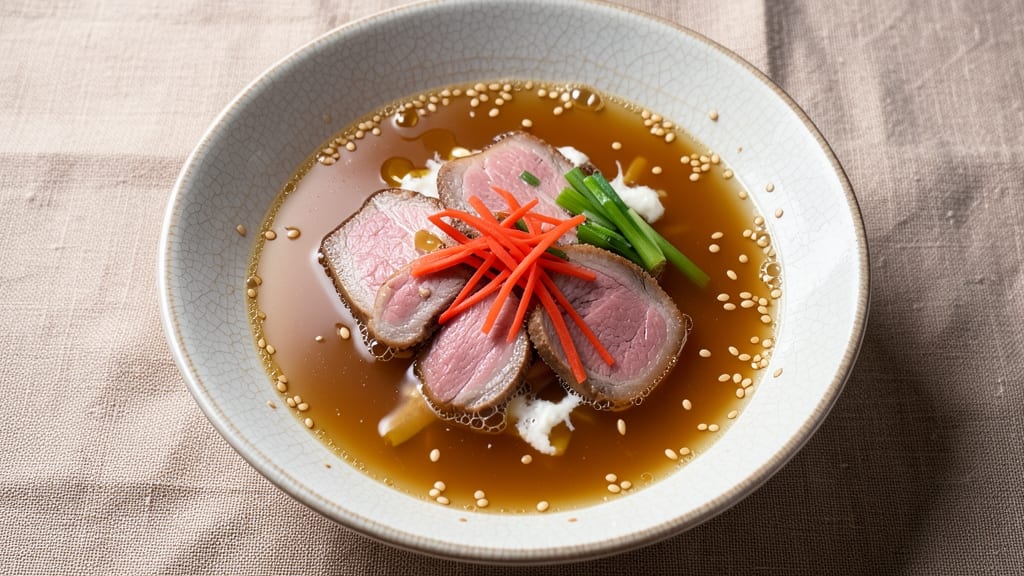
This beef miso soup recipe delivers the deep, savory richness of Japanese home cooking with minimal effort. The secret lies in balancing fermented miso paste with a light dashi broth, creating a silky, umami-packed base that transforms simple ingredients into something extraordinary.
I’ve perfected this version to achieve that restaurant-quality depth without requiring hours in the kitchen—just 30 minutes of active time and a few key techniques.
The foundation starts with properly seared beef and a well-built dashi stock, but don’t worry—this isn’t a complicated process. A quick sear in the pot develops deep flavor, while the miso paste dissolves smoothly into the broth when added at the right temperature.
The result? A silky, aromatic soup where each spoonful carries layers of savory, slightly sweet, and briny notes, perfectly balanced by delicate rice noodles that absorb the broth without losing their texture.
What makes this recipe special is its versatility. Use it as a comforting weeknight meal or elevate it for dinner guests by garnishing with scallions, sesame seeds, and a drizzle of chili oil.
The broth freezes beautifully, too, so you can make a big batch and enjoy it all week. Whether you’re following traditional methods or adapting with shortcuts, this soup delivers restaurant-quality results every time.
Ready to experience the soul-warming comfort of homemade miso soup? The process is simpler than you think, and the payoff—warm, fragrant bowls of silky noodles in rich broth—is worth every minute. Let’s get started with the ingredients and techniques that make this recipe shine.
Ingredients for beef miso soup
The umami-rich foundation starts with these 14 ingredients, balancing fermented depth and delicate textures for restaurant-quality results.
| Ingredient | Amount | Notes |
|---|---|---|
| Thinly Sliced Beef Top Round 🥩 | 12 oz | Cut into 1-inch strips, boneless |
| White Miso Paste 🧂 | ¼ cup | High-quality fermented miso preferred |
| Dashi Stock 🍲 | 4 cups | Instant or homemade kombu-bonito |
| Rice Vinegar 🍶 | 1 tbsp | For brightness in broth |
| Sesame Oil 🫒 | 1 tsp | Toasted for aroma |
| Fresh Ginger 🧅 | 1 tbsp | Grated, not powdered |
| Garlic Cloves 🧄 | 3 cloves | Minced, fresh preferred |
| Rice Noodles 🍜 | 8 oz | Thin, dried variety |
| Green Onions 🧅 | 3 whole | Sliced, for garnish |
| Toasted Sesame Seeds 🌱 | 1 tsp | For garnish |
| Chili Oil 🌶️ | 1 tsp | Optional, for heat |
| Diamond Crystal Kosher Salt 🧂 | ½ tsp | Adjusts seasoning |
| Freshly Ground Black Pepper 🌶️ | ¼ tsp | Enhances depth |
| Water 💧 | 2 cups | For dashi dilution |
The miso paste is non-negotiable—White Miso delivers that signature fermented sweetness without overpowering. Marukome or Honten brands are industry standards, but any high-quality white miso works. For the beef, top round is ideal—lean but flavorful, and it sears beautifully. If you can't find pre-sliced beef, ask your butcher for thin strips. The dashi stock is the soul of the soup; instant granules like Hondashi work in a pinch, but homemade kombu-bonito dashi elevates the flavor profile significantly. Fresh ginger and garlic are essential—powdered substitutes lack the aromatic complexity. Toast your sesame seeds and oil separately for maximum flavor impact.
No miso paste? White soy sauce at half the amount mimics some of the umami, though it won't replicate the fermented depth. Substituting beef? Thinly sliced shiitake mushrooms add umami and texture, while tofu provides a lighter option. For the dashi, if you're avoiding fish, vegetable dashi with kombu and shiitake delivers a similar savory base. The rice noodles must be thin—thicker varieties absorb too much broth. If you can't find them, vermicelli noodles work as a substitute. Garnishes like sesame seeds and chili oil are optional but recommended; gochujang adds another layer of complexity if you're feeling adventurous.
The broth freezes beautifully—make a double batch and portion it into airtight containers for up to 3 months. Store the miso paste in the freezer to preserve its potency for up to 1 year. Fresh ginger and garlic keep in the fridge for 2 weeks when wrapped tightly. The rice noodles should be stored in a cool, dry place and used within 6 months of purchase. For meal prep, assemble the soup without the noodles, refrigerate the broth, and cook the noodles fresh when serving. This keeps them from turning mushy.
Why You'll Love This Recipe
- Foolproof Slicing: I swear by that thinly sliced beef—takes two minutes with a sharp knife and a rolling pin. No fancy techniques, just a few quick passes, and you’ve got tender strips that practically melt in your mouth.
- Umami Bomb: That white miso paste? It’s where the magic happens. One spoonful dissolves into the dashi stock, and suddenly you’ve got this deep, savory punch that’s neither salty nor sweet—just perfect. The rice vinegar and sesame oil add this bright, nutty finish that makes it taste like a restaurant secret.
- Lunchbox Hero: Between us, this soup is my go-to for meal prep. Toss the beef and broth into a thermos, and it stays warm for hours. Add a handful of greens or tofu when you’re ready to eat—suddenly, you’ve got a satisfying, protein-packed lunch that doesn’t require reheating.
- Budget Win: Top round is affordable, miso lasts forever, and dashi stock is dirt cheap to make. I’ve fed four people for under $10, and honestly? They didn’t even notice it wasn’t some fancy cut. The flavor makes it feel special without breaking the bank.
Step-by-step instructions for beef miso soup with silky rice noodles
This method delivers a deeply umami-rich broth where tender beef and delicate noodles harmonize perfectly.
Prepare the Umami Base
In a medium saucepan, combine the 4 cups dashi stock and 2 cups water. Bring to a gentle simmer over medium heat until small bubbles form along the edges. Add the 12 oz thinly sliced beef top round and simmer for 4-5 minutes until the beef loses its raw opacity but remains slightly underdone—this ensures tender results.
Remove the beef with a slotted spoon and set aside. In the same pan, whisk in the 0.25 cup white miso paste until fully dissolved. The broth should develop a velvety texture and deep reddish-brown color. Here's the thing—don't boil the miso or it will lose its delicate fermented complexity. Maintain a gentle simmer for 2-3 minutes while you prepare the remaining ingredients.
Build the Aromatic Broth
Return the beef to the pan and add the 1 tbsp grated fresh ginger, 3 minced garlic cloves, and 1 tbsp rice vinegar. Simmer for another 3 minutes until the aromatics are fragrant but not browned—this prevents bitterness. The ginger should become translucent and the garlic should release its sweet, pungent aroma.
Season with 0.5 tsp diamond crystal kosher salt and 0.25 tsp freshly ground black pepper, then remove from heat. Stir in 1 tsp sesame oil just before serving—this adds a nutty aroma that brightens the dish. The broth should now have a rich, slightly sweet umami depth with a subtle tang from the vinegar.
Cook the Rice Noodles
While the broth simmers, prepare the 8 oz rice noodles according to package instructions using boiling water. I use 6-8 minutes for perfect al dente texture—noodles should be tender but still hold their shape. Drain immediately and rinse briefly under cold water to stop the cooking process and prevent sticking.
Divide the noodles evenly among 4 bowls. Ladle the hot beef broth over the noodles, ensuring each serving gets an equal distribution of beef slices. The contrast between the silky noodles and robust broth creates the perfect texture balance.
Finish and Garnish
Drizzle each serving with 1 tsp chili oil (optional) for heat, then sprinkle with 1 tsp toasted sesame seeds and 3 sliced green onions. The sesame seeds add a toasty crunch while the green onions provide freshness. Serve immediately while the noodles are still warm and the broth maintains its velvety consistency.
For maximum flavor, I recommend serving with a side of pickled vegetables or steamed bok choy. The acidity from pickles cuts through the richness of the miso, creating a perfectly balanced meal. Each bite should deliver tender beef, chewy noodles, and a deeply satisfying umami broth that coats your palate.
Pro Tips For Making Beef Miso Soup
- Sear the Beef First: I learned this the hard way—raw beef in cold broth just sits there. Instead, hit a dry skillet with medium-high heat and sear the slices for 30 seconds per side until they’re just browned. That quick crust keeps them from turning to mush later, and the aroma? Game-changer.
- Dissolve Miso Slowly: White miso burns faster than you’d think. After removing the beef, ladle in just enough hot (not boiling) dashi to cover the miso paste, then whisk vigorously for 30 seconds. Let it sit for 2 minutes before pouring back into the pot—this ensures a smooth, silky texture, not a grainy mess.
- Acid Balance Matters: Rice vinegar isn’t just for tang—it cuts the richness of miso and beef. Add it last (after simmering) and taste as you go. Start with 1 teaspoon, then adjust: too little and the soup’s heavy; too much and it’s sharp. (I once ruined a batch by dumping it all in upfront—don’t be me.)
- Simmer Low and Long: This isn’t a race. After adding the miso-dashi mix, reduce to the gentlest simmer you can manage—just tiny bubbles breaking the surface. Ten minutes at this pace lets the flavors meld without turning the beef rubbery. (Yes, even if you’re impatient like me.)
Storing and reheating your leftovers
Broth Storage Secrets
The miso broth freezes exceptionally well—make a double batch and store it in airtight glass containers with 1-inch headspace for expansion. Label containers with the date and freeze for up to 3 months.
When reheating, thaw overnight in the fridge, then warm on the stovetop over low heat until steaming. Never microwave—it breaks down the delicate miso texture. 🥶
Noodle Prep Ahead
Cook the rice noodles fresh when serving to maintain their perfect al dente texture. However, you can prep the broth separately and store it in the fridge for 3-4 days in an airtight container. Keep the noodles in a sealed bag with a damp paper towel to prevent drying.
When ready to serve, simply reheat the broth and cook the noodles fresh. This two-step approach saves time while keeping the noodles from turning mushy. ⏰
Garnish Freshness
Toast your sesame seeds and sesame oil separately just before serving to maximize their aromatic impact. Store these garnishes in small airtight containers in your pantry for up to 2 weeks. Fresh green onions keep in the fridge for 1 week when wrapped in a damp paper towel.
For chili oil, store it in the fridge and use within 1 month—the heat mellows over time, so add it fresh for maximum kick. 🌱
Reheating Perfection
If you've stored the assembled soup (broth + noodles), reheat it gently on the stovetop over low heat for 3-4 minutes, stirring occasionally. Add 1-2 tablespoons of water if the broth seems too thick.
Avoid high heat—it can make the noodles gummy. For individual servings, microwave for 1 minute at 50% power, then stir and let sit for 30 seconds to redistribute the heat. 🔥
Freezer-Friendly Tips
For long-term storage, freeze the broth without the noodles. When ready to serve, thaw and reheat the broth, then cook fresh noodles separately. This method preserves the broth's rich umami flavor for up to 6 months in a freezer-safe container.
If you prefer to freeze the entire soup, add the noodles when reheating—this keeps them from absorbing too much moisture and becoming soggy. 💫
Seasoning Refresh
After reheating, taste and adjust seasoning. Miso broth often benefits from a pinch of salt or a splash of rice vinegar to restore brightness. If the broth tastes flat, add a ½ tsp of miso paste while reheating to rebuild depth.
For extra richness, stir in 1 tsp of toasted sesame oil just before serving—this adds complexity without overpowering the dish. ✨
Nutrition facts
Frequently asked questions about beef miso soup
Why does my miso broth taste bitter?
Bitterness usually means the miso paste was overcooked or boiled. Always dissolve miso in warm (not boiling) broth and simmer gently for just 2-3 minutes. For extra depth, use a 1:1 ratio of white to red miso—red adds richness without bitterness.
Can I use beef chuck instead of top round?
Yes, but adjust cooking time! Beef chuck is fattier and needs 8-10 minutes to tenderize properly. Sear it first to render fat, then simmer until fork-tender. For leaner results, trim excess fat before cooking.
How do I make this soup vegetarian?
Replace beef with shiitake mushrooms (sliced) or firm tofu (pressed and cubed). Use vegetable dashi (kombu + shiitake) instead of fish-based dashi. The umami from mushrooms and miso will still shine!
What's the best way to store leftover broth?
Freeze broth in airtight glass containers with 1-inch headspace for up to 3 months. Thaw overnight in the fridge, then reheat gently on low heat. Never microwave—it destroys the miso's delicate texture. For fridge storage, keep broth for 3-4 days in a sealed container.
Can I add other vegetables to this soup?
Try bok choy, spinach, or mushrooms—add them during the last 2 minutes of cooking to preserve texture. For heartier soups, include daikon radish or tofu. Just avoid overcrowding the pot, or the broth may dilute too much.