
Soups & Stews
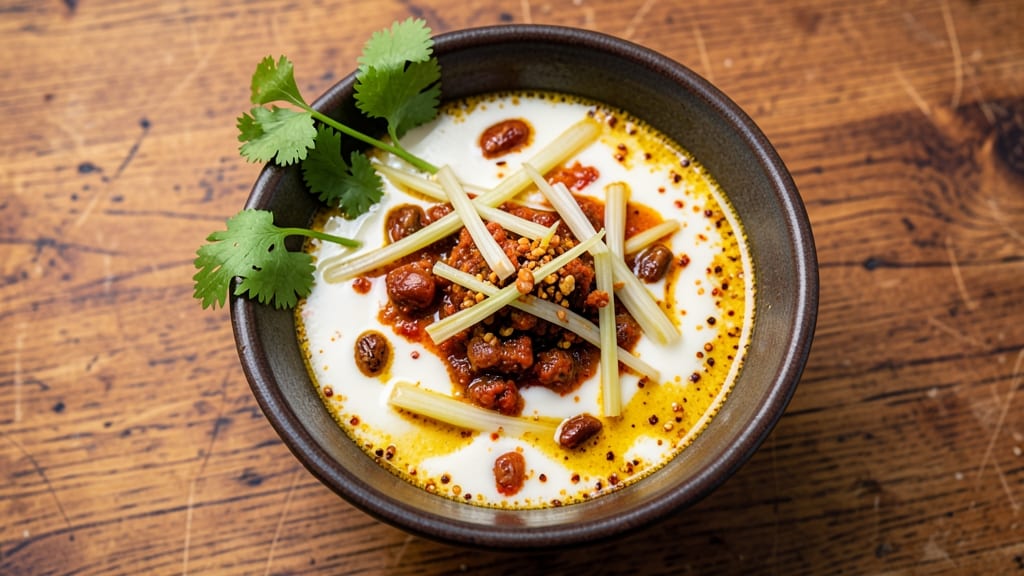
This Bengali Thai soup recipe fuses two vibrant culinary traditions into one fragrant, silky bowl of comfort. The marriage of mustard oil's bold heat with Thai lemongrass's citrusy brightness creates a broth that's both familiar and excitingly new. I developed this recipe after years of experimenting with fusion flavors, and it never fails to impress—whether you're feeding a crowd or treating yourself to a cozy weeknight dinner.
The foundation begins with a fragrant coconut-lime broth, where panch phoron (Bengali five-spice blend) meets Thai curry paste for depth. Silky rice noodles soak up the aromatic essence while fried shallots add crunch and texture.
What makes this dish special is the balance—sweet, sour, spicy, and umami all working in harmony without overwhelming each other.
What you'll end up with is a soup that's rich yet refreshing, spicy but not overpowering, and packed with layers of flavor. The broth is velvety smooth with just the right amount of heat, while the noodles remain tender and satisfying.
Garnished with fresh cilantro and lime wedges, this soup transforms a simple meal into something memorable.
Perfect for chilly evenings or as a light yet hearty lunch, this recipe scales beautifully. The techniques are approachable, but the result feels like a restaurant-quality experience. Let's get cooking—your taste buds will thank you.
Ingredients for bengali thai soup
Mustard oil and lemongrass kick off this fusion soup's aromatic journey—simple ingredients with bold flavors.
| Ingredient | Amount | Notes |
|---|---|---|
| Mustard Oil 🫒 | ½ cup | High quality, cold-pressed preferred |
| Coconut Milk 🥥 | 1 can (13.5 oz) | Full-fat for creaminess |
| Lemongrass Stalks 🌿 | 4 whole | Bruised for aroma, outer leaves removed |
| Thai Curry Paste 🌶️ | 2 tbsp | Red or green paste preferred |
| Fresh Galangal 🍃 | 1 inch | Peeled, sliced thin (or 2 tbsp grated) |
| Panch Phoron (Bengali Five-Spice) 🌶️ | 1 tsp | Mustard seeds, cumin, fenugreek, fennel, nigella |
| Shallots 🧅 | 4 whole | Sliced thin for frying |
| Rice Noodles 🍜 | 8 oz | Flat or round, medium width |
| Lime Juice 🍋 | ¼ cup | Freshly squeezed |
| Fish Sauce 🍶 | 1 tbsp | Red Boat preferred |
| Fresh Cilantro 🌿 | ¼ cup | Chopped for garnish |
| Fresh Thai Chilies 🌶️ | 2 whole | Sliced thin, adjust to heat preference |
| Garlic Cloves 🧄 | 6 cloves | Minced for broth |
| Shredded Coconut 🥥 | ¼ cup | Toasted for garnish |
| Salt 🧂 | 1 tsp | Kosher or sea salt |
Mustard oil is the soul of this dish—look for cold-pressed varieties at Indian markets or specialty stores. The Red Boat fish sauce adds umami depth, and it's worth tracking down if your grocery store doesn't carry it. For panch phoron, spice shops like Burlap & Barrel have authentic blends, but the spice aisle at Whole Foods works too. Galangal can be tricky—Asian grocery stores usually stock it fresh, or sub ginger if needed (though it's not the same). Lemongrass should be vibrant green with no brown spots, and the stalks should feel firm when squeezed.
No galangal? Ginger at half the amount works in a pinch, but you'll lose some of that citrusy complexity. Fresh Thai chilies unavailable? Bird's eye chilies or red pepper flakes bring similar heat. The curry paste is non-negotiable for authentic flavor—Maesri or Mae Ploy are my go-tos. For the shallots, fried until crispy is key—they should be golden and crunchy. Coconut milk separates when heated? Stir in 1 tsp cornstarch to stabilize it. And if you're worried about mustard oil's strong flavor, toast it first in a dry pan to mellow it out.
This soup tastes even better the next day as flavors meld. Store leftovers in airtight containers for 3-4 days—the broth keeps well, so you can reheat portions as needed. For the noodles, soak them in warm water for 5 minutes before adding to the soup to prevent clumping. Garnishes like cilantro and lime should be added fresh right before serving—they wilt fast when mixed in. The fried shallots? Keep them in a sealed jar at room temp for up to 2 weeks—they're perfect for topping other dishes too.
Why You'll Love This Recipe
- One-Pot Magic: The moment mustard oil hits the pan, the aroma alone does half the work. Throw in the curry paste, galangal, and lemongrass—no chopping, no fuss—and you’ve got a fragrant base in 10 minutes. Honestly, I’ve made this while scrolling through my phone; it’s that simple.
- Creamy Heat Balance: That first spoonful of coconut milk cools the spice just enough—like a warm hug after a chili. The galangal adds a citrusy kick, while the lemongrass lingers like a secret. It’s not too rich, not too sharp; it’s exactly what you didn’t know you needed.
- Weeknight to Party: Between us, this soup is my lazy night and my dinner party flex. Toss in shrimp or tofu for a quick protein boost, or let it sit for hours—it only gets better. My roommates call it "the soup that works for everything," and they’re not wrong.
- Leftovers That Don’t Suck: Most soups turn sad after day two, but this one? It’s still creamy, still fragrant, still good. Store it in jars, reheat with a splash of water, and boom—you’ve just saved yourself a grocery run. (Yes, even on a Tuesday night.)
Step-by-step instructions for Bengali Thai soup
Here's how to blend bold Bengali spices with Thai aromatics for a soup that's both comforting and vibrant.
Toast Spices in Mustard Oil
Heat the 0.5 cup mustard oil in a deep pot over medium-low heat. Add the 6 cloves minced garlic and 1 inch sliced fresh galangal, cooking for 2 minutes until the garlic turns golden and fragrant. This is where the magic starts—watch for the oil to shimmer but not smoke.
Next, add the 4 whole bruised lemongrass stalks, 4 whole sliced shallots, and 1 tsp panch phoron. Stir constantly for 3-4 minutes until the shallots soften and the spices release their deep, nutty aroma. The panch phoron will darken slightly—that's perfect. If the oil starts to smoke, reduce the heat immediately to preserve the delicate flavors.
Build the Flavor Base
Add the 2 tbsp Thai curry paste and stir for 1 minute until fully incorporated. The paste will darken and release its complex, slightly sweet heat. Pour in the 1 can (13.5 oz) coconut milk and bring the mixture to a gentle simmer over medium heat. Let it cook uncovered for 5 minutes to allow the raw flavors to meld.
Here's the thing—this is where the soup develops its signature depth. You'll notice the oil separating slightly at the top; this is normal and actually enhances the texture. Stir in the 1 tbsp fish sauce and 1 tsp salt, tasting as you go. Adjust the salt to your preference, but remember the fish sauce adds umami depth.
Prepare and Cook the Noodles
While the broth simmers, bring a separate pot of water to a boil. Add the 8 oz rice noodles and cook according to package instructions until just tender—they should still have a slight bite. Drain immediately and rinse under cold water to stop the cooking process. This prevents mushy noodles when they hit the hot broth.
Real talk: Rice noodles cook faster than you think. Set a timer for 2-3 minutes and check frequently. Overcooked noodles will turn to paste in the soup, so it's better to undercook slightly. Drain thoroughly and set aside until ready to add.
Finish with Lime and Freshness
Return the broth to a gentle simmer and add the 0.25 cup lime juice. The soup will bubble vigorously—this is normal as the acidity brightens all the flavors. Let it simmer for 2 more minutes to balance the heat. Taste and adjust seasoning if needed; the lime juice should make the soup sing with tangy freshness.
Divide the 8 oz cooked rice noodles among bowls. Ladle the hot broth over the noodles, making sure each serving gets a generous portion of the fragrant oil that's collected on top. The noodles will soak up the rich flavors beautifully.
Garnish and Serve Immediately
Toast the 0.25 cup shredded coconut in a dry skillet over medium heat for 2-3 minutes until golden brown and fragrant. Sprinkle it over each bowl along with the 0.25 cup chopped fresh cilantro and 2 whole sliced Thai chilies. The contrast of textures—creamy coconut, silky noodles, and fresh herbs—elevates every bite.
Serve this soup immediately while the broth is steaming and the aromatics are at their peak. The combination of Bengali spices with Thai curry paste creates a unique flavor profile that's both familiar and exciting. For extra heat, add a dash of chili flakes or more fish sauce to taste.
Pro Tips For Making Bengali Thai Soup
- STEAM THE LEMONGRASS FIRST: Smash the lemongrass stalks with the flat side of your knife before simmering—this releases the oils and aroma into the broth immediately. I used to just toss them in whole, and the soup never had that bright, citrusy punch. Takes 30 seconds but makes a real difference.
- SIMMER GALANGAL LOW AND SLOW: After adding galangal, reduce heat to the lowest setting you can tolerate—it’s delicate and burns faster than you’d think. I learned this the hard way when my first batch turned bitter. Let it mellow for at least 10 minutes, stirring occasionally.
- SALT THE COCONUT MILK: Add a pinch of salt to the coconut milk before blending it into the soup—it balances the sweetness and cuts through the richness. Skipping this step leaves the broth tasting flat, even if the rest of the flavors are spot-on.
- HEAT THE MUSTARD OIL RIGHT: Warm the mustard oil over very low heat—just until it shimmers, no smoking. I was impatient once and ended up with a pungent, acrid finish instead of that nutty aroma. A splash of cold water at the end also cools it down for serving.
Perfect pairings for this recipe
Beverage Pairings
This fusion soup's complex balance of spicy, tangy, and creamy flavors pairs beautifully with Thai iced tea—the sweetness and tannins complement the heat and richness. I recommend Thai Iced Tea from Chaokoh (available at most Asian markets) for that perfect balance.
For a lighter option, a sparkling lime soda like San Pellegrino Limonata cuts through the richness while enhancing the citrus notes. 🍋
Crunchy Toppings
Add fried wonton strips for an extra crunch that contrasts the silky noodles. Heat 1 tbsp neutral oil in a pan and fry 2 oz wonton wrappers until golden and crispy.
Sprinkle them over the soup just before serving—they add texture and soak up the fragrant broth beautifully. For a Thai-inspired twist, try toasted rice crackers like Koyo Senbei instead.
Side Dish Harmony
A simple steamed jasmine rice bowl on the side lets diners build their own portion, balancing the soup's richness. Alternatively, serve with Thai cucumber salad (julienned cucumbers, rice vinegar, sugar, and chili flakes) for a refreshing contrast. The salad's cool crunch balances the soup's warmth perfectly. 🥗
Sweet Contrast
End the meal with mango sticky rice—the sweetness of ripe mango and coconut milk mirrors the soup's flavors while providing a satisfying finish. For a quicker option, serve pineapple chunks sprinkled with chili powder. The tropical sweetness and spice echo the soup's fusion profile without overwhelming it.
Herb Garnish Boost
Boost the freshness with Thai basil leaves instead of cilantro—toss them into the broth just before serving for an aromatic lift. The anise-like flavor pairs wonderfully with the lemongrass and galangal.
For extra depth, add a few mint leaves alongside the cilantro—they add a bright, cool contrast to the spicy broth.
Spicy Kick Add-Ons
Set out chili crisp (like Lao Gan Ma) or sambal oelek for guests to adjust heat to their preference. A dash of chili oil (infused with Thai chilies) drizzled on top adds smoky heat.
For a Bengali touch, offer pickled green chilies—their tangy crunch elevates every spoonful. 🌶️
Nutrition facts
Frequently asked questions
Can I substitute mustard oil in this recipe?
Yes, but you'll lose some of the authentic Bengali depth. Use avocado oil or neutral oil with a pinch of ground mustard seeds for flavor. For a Thai-inspired alternative, try toasted sesame oil—it adds nutty notes that complement the lemongrass beautifully. Just remember, mustard oil's bold flavor is key to the fusion.
How do I adjust the spice level for kids or sensitive palates?
Reduce the Thai chilies to just 1 whole chili (or omit entirely) and skip the fish sauce—it contains salt and umami that can be overpowering. For extra mildness, add a splash of coconut milk to dilute the broth slightly. Always taste as you go!
What's the best way to store leftovers?
Let the soup cool completely, then transfer to airtight containers. Store in the fridge for up to 3 days or freeze for 2 months. Reheat gently on the stove—never microwave—to preserve the fragrant oil layer. The flavors actually deepen overnight, making it even more delicious the next day!
Can I make this soup vegetarian?
Yes! Replace the fish sauce with 1 tbsp soy sauce plus 1 tsp miso paste for umami. Skip the Thai curry paste (which often contains shrimp paste) and use vegan curry paste instead. Add tofu cubes or mushrooms for protein. The broth will still be rich and flavorful!
Why does my broth look oily after cooking?
That's completely normal! The mustard oil and coconut milk create a natural separation—it's not a mistake, it's texture! Stir well before serving, or ladle the broth carefully to get the fragrant oil layer. The oil adds depth to every spoonful, so embrace it as part of the authentic experience.